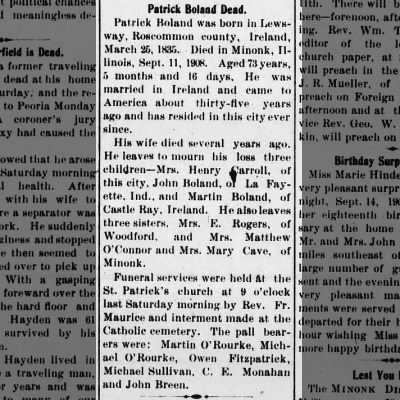
117 years ago on September 11, 1908 my 3x great grandfather, Patrick Boland died in Minonk, Illinois.
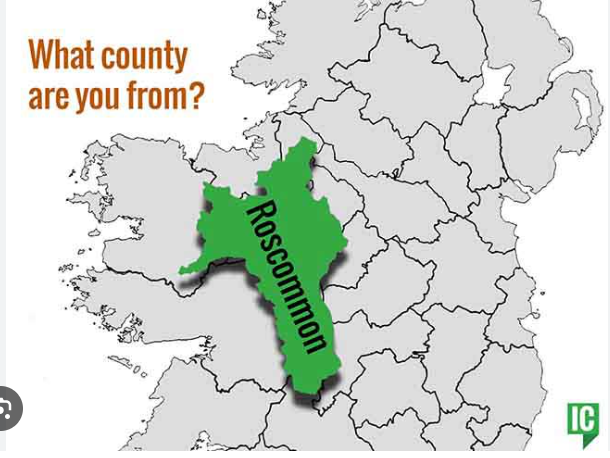
According to his obituary, Patrick was born in Lissalway, County Roscommon, Ireland on 25 March 1835. People from Roscommon call themselves “Rossies”. The county was mostly agricultural in 1835, run by Protestants, leaving Catholics like the Bolands working long hours in poor conditions. 19th century Roscommon suffered by overpopulation and poverty and between 1841 and 1851, when the potato famine struck, the population fell by a third, the largest loss of people in any county in Ireland. Yet the Boland’s didn’t emigrate straight away. The family withstood the famine, a time when 5 thousand Rossies either died or fled from the town of Strokestown alone. It is a beautiful area steeped in history.
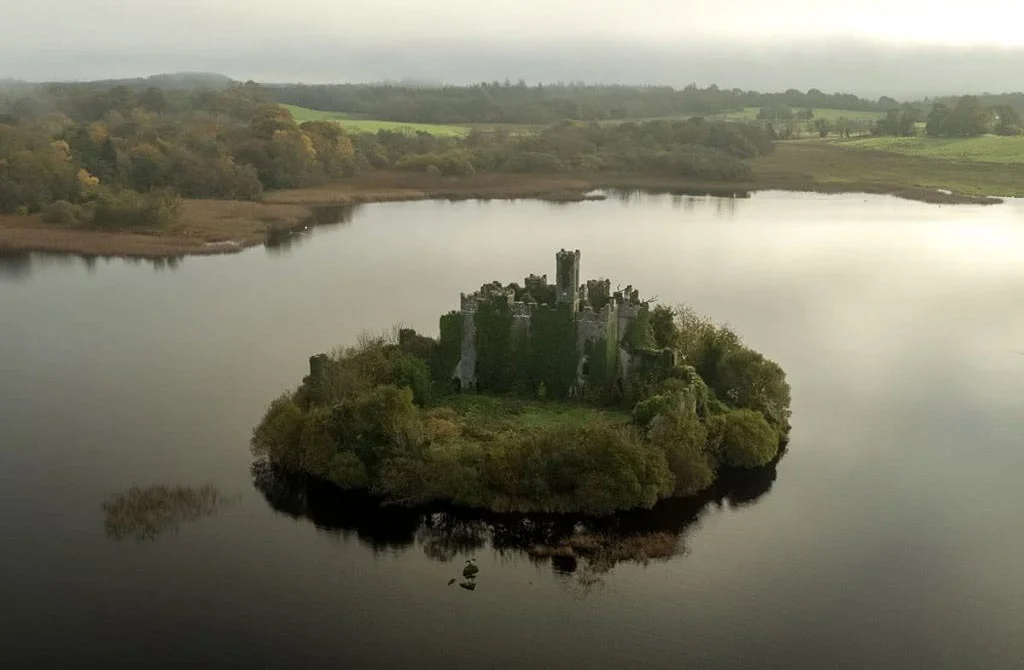
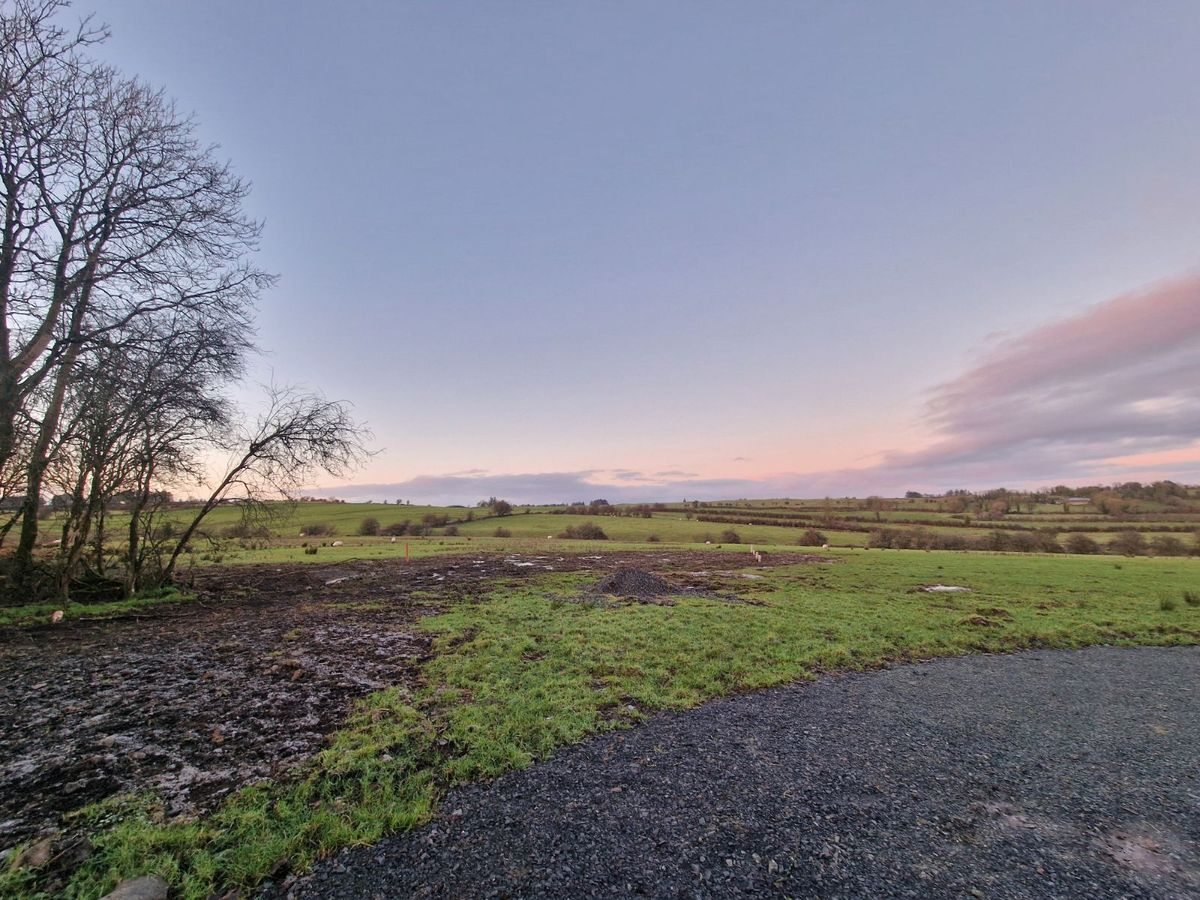
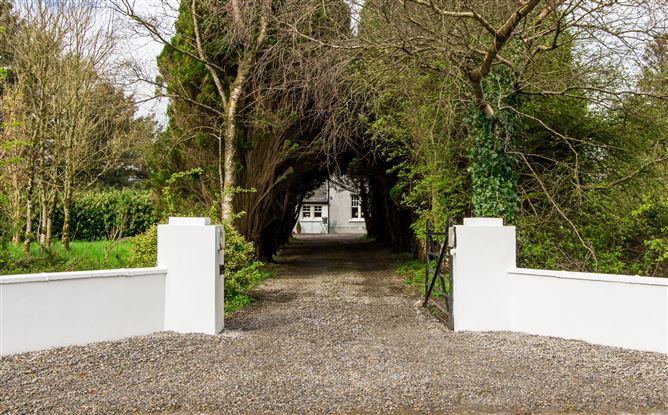
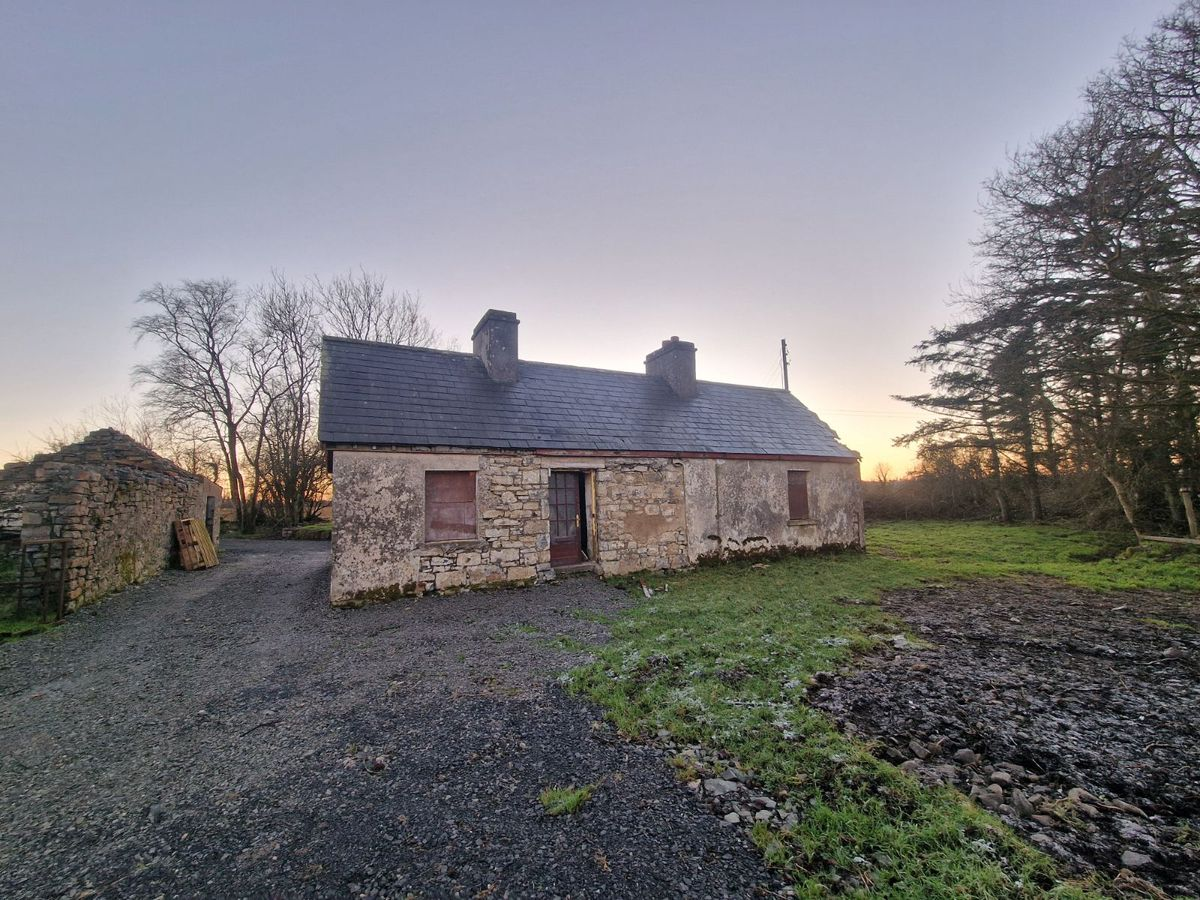
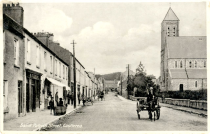
When he was eighteen Patrick’s first son, Martin Boland, was born in1862 in Catleplunkett, county Roscommon. The name of Martin’s mother is unknown. Martin was the only son that didn’t immigrate to America, living his life mostly in Castlereagh where he married fellow Rossie Catherine McGarrry at the Chapel of Castlerea. He worked as an agricultural laborer, but times were tough and in 1889 he was sent to the Castlebar jail for stealing a rabbit trap and in 1891 he was again jailed for poaching.
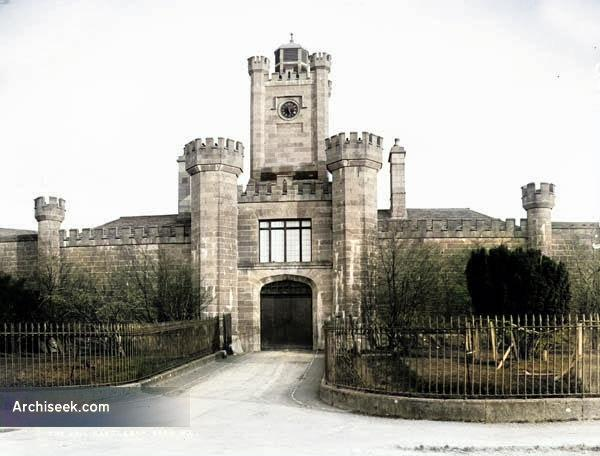
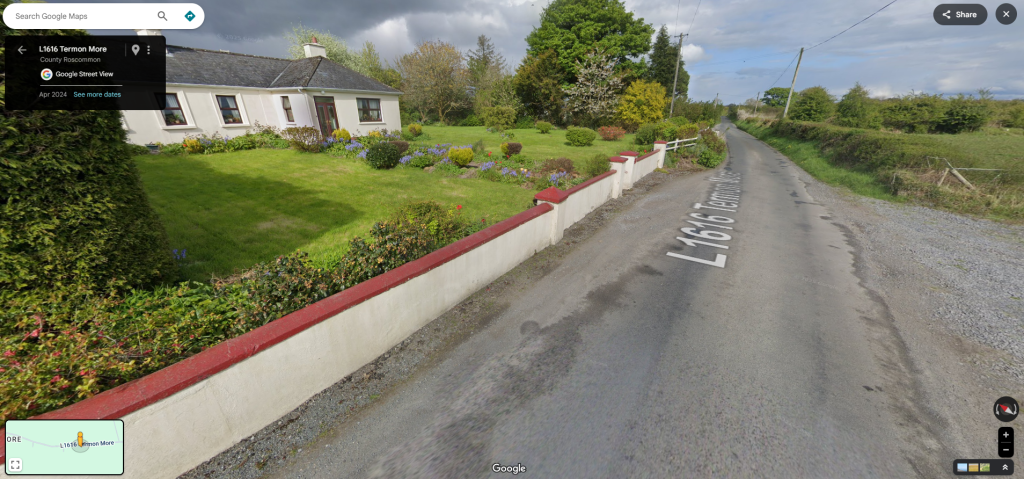
He needed to feed his growing family as he and Catherine had 8 children between 1885 and 1904. In the 1911 census Martin and his family lived on Termon More Rd with his adult sons Patrick 25, John 21, teenage Owen 14, youngsters Martin 11 and Anna 7. The census lists the family as Roman Catholic. Some of Martin’s children and grandchildren eventually emigrated out of Ireland, to England, Candada and the United States, others remain there to this day.
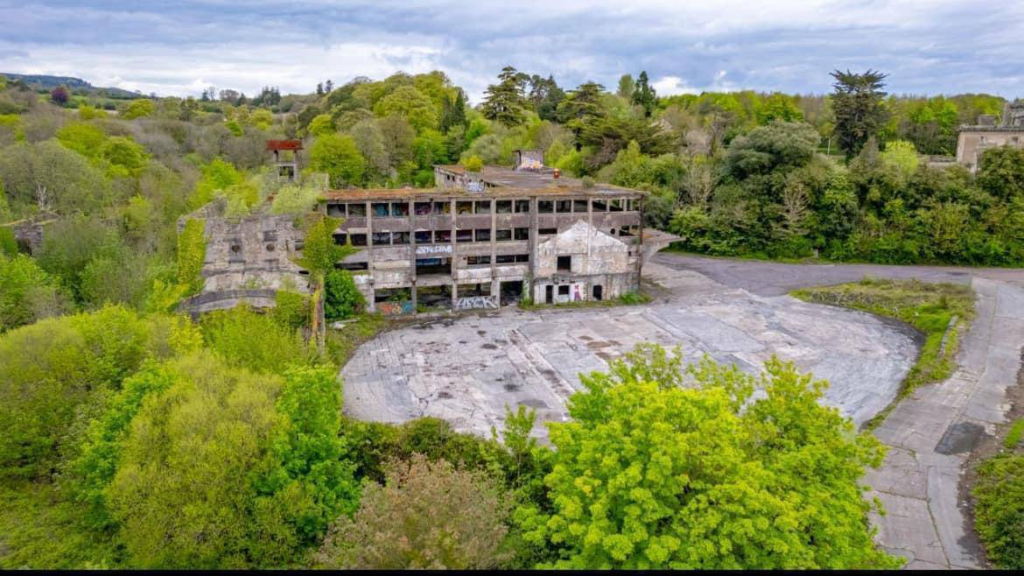
Patrick’s second son, John was born about 1864 . John’s mother is believed to be Mary Dwyer based on Catholic parish records in Portlaw, Waterford, so the family must have moved south from county Roscommon at that time, possibly to find work at Portlaw’s cotton factory. Unfortunately in 1867 the cotton factory declared bankruptcy.
John came to America in 1885, finding work in Indiana and marrying Elizabeth Kopf, the daughter of a German immigrant, in LaFayette. The 1910 census lists John’s occupation as a poultry dresser. A poultry dresser is a worker who performs the post-slaughter tasks of preparing poultry for sale or further processing, including removing feathers, entrails, and feet, and then cleaning, trimming, and packaging the carcasses.
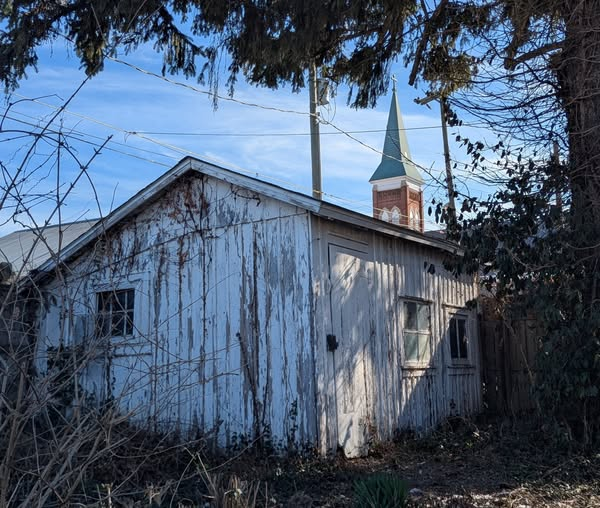
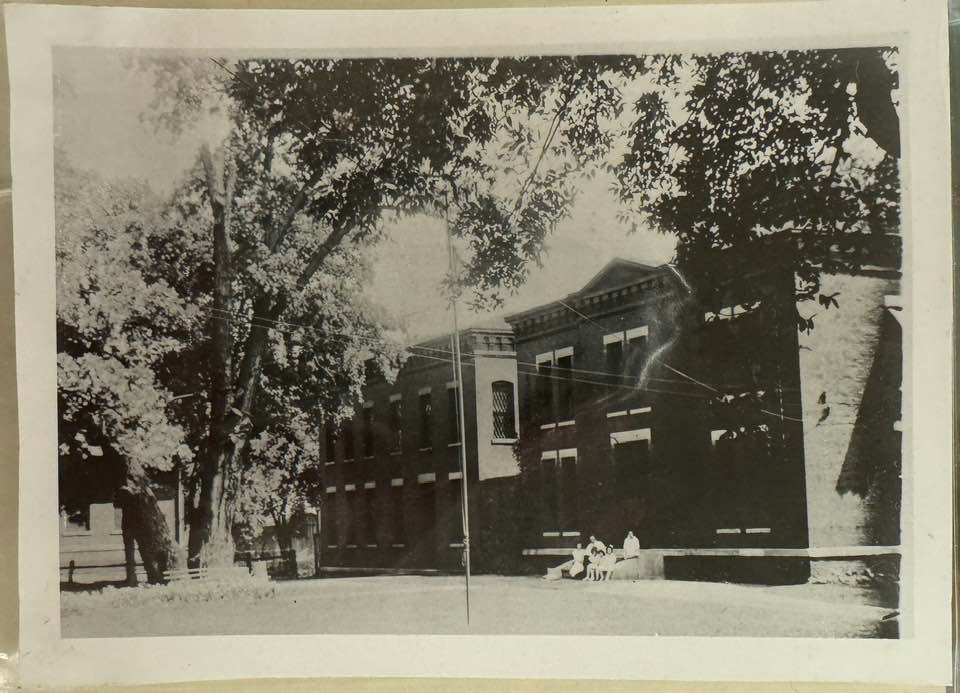
John and Elizabeth had two children, Betty and James. James died in 1911 at only 6 months old. John was Elizabeth’s 3rd husband, and not her last. It’s unclear when they divorced, but by 1930 she married for the 4th time. John Boland is next found in the 1920 Peoria census, in a “House of Correction” aka a workhouse on Grant Street. In November of that year he died there and according to the death index was buried in the County Poor Farm cemetery, though he doesn’t appear in their records. He was only 56.
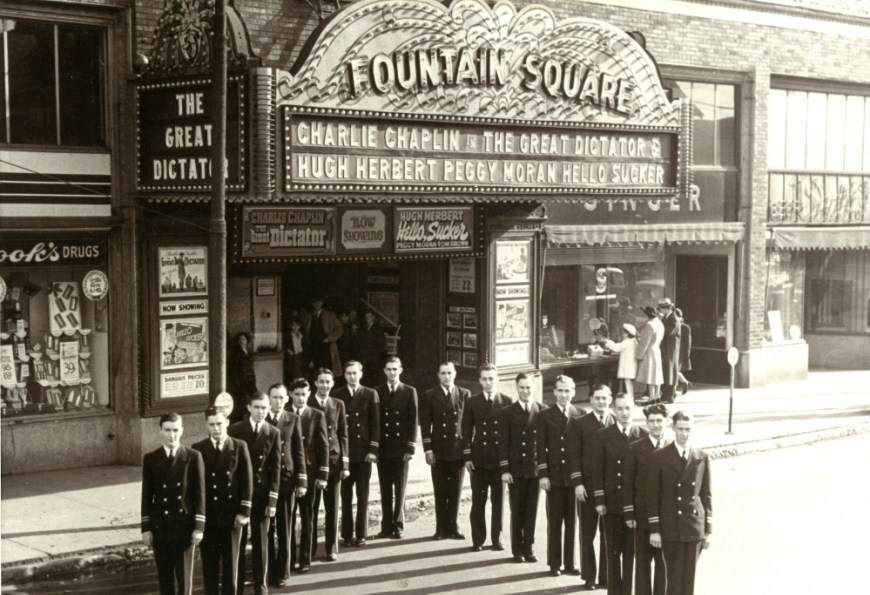
His daughter Betty married William Cole, who operated a theater in Ravenswood Indiana in 1940. He died in 1974 and Betty died in Indiana in 1979.
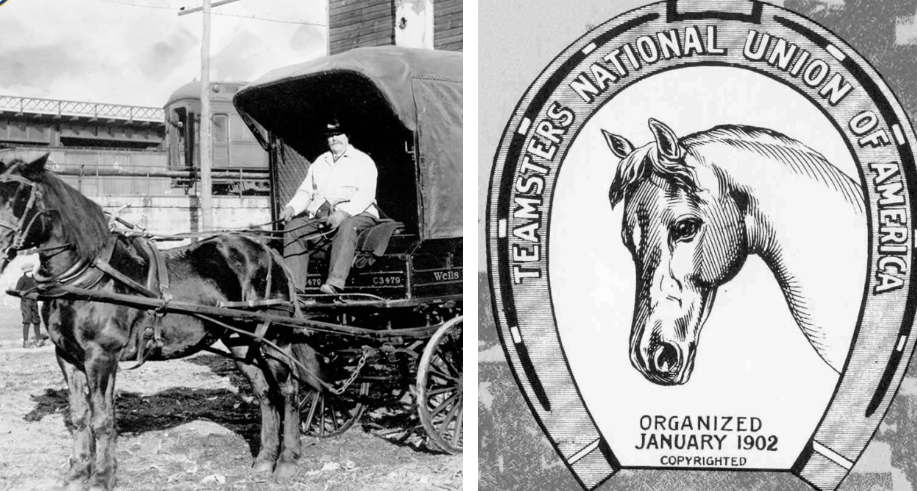
Patrick’s third son was Michael, born about 1867 in Portlaw, county Waterford. Michael immigrated to America in 1886 and married in Chicago in 1891. He’s listed as being a teamster, living in an apartment house on Wallace St, in the immigrant heavy neighborhood of Canaryville in 1900. The house no longer stands. Teamsters were drivers of commercial, horse-drawn vehicles in 1900’s Chicago, paid low wages for long days.
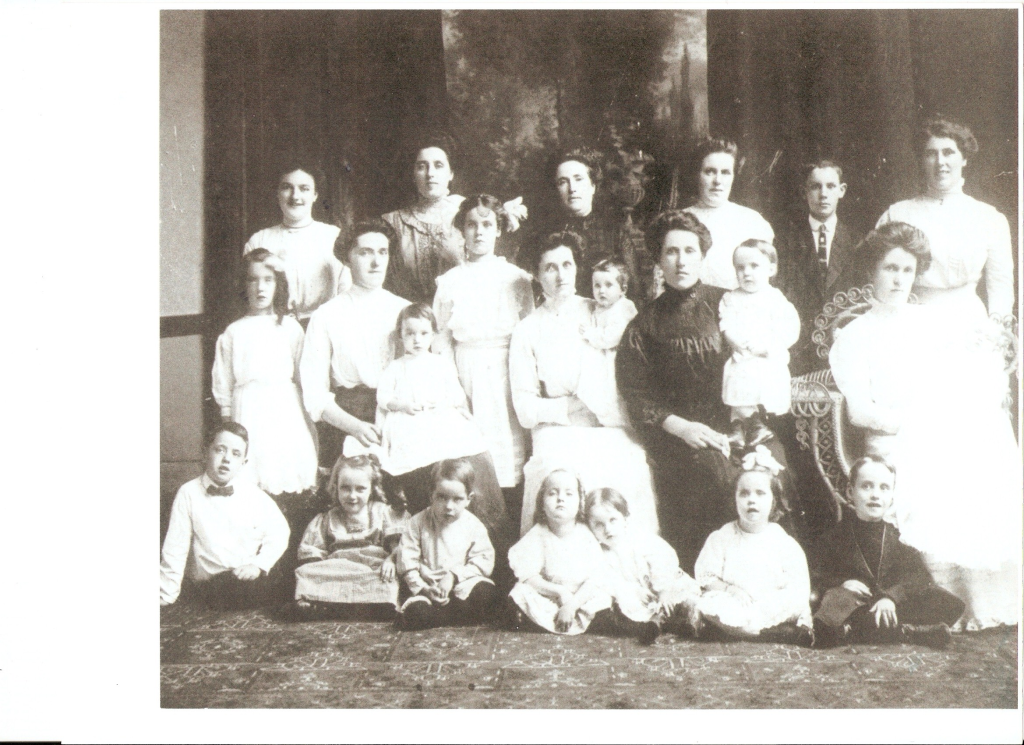
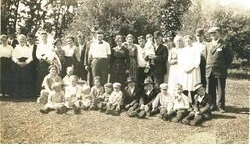
Michael married Delia Hanley, a fellow Rossie who came to America in 1880 at the age of 16. Delia was the oldest of 13, 11 girls and 2 boys. She and Michael had 5 children, 2 girls and 3 boys. Michael died 4 years after their youngest was born. His cause of death listed as interstitial nephritis, which would cause his kidneys to stop functioning. His obituary listed exzema as his cause of death, so presumable a skin rash became infected and he went septic, something that could be cured easily nowadays. He died at his home in Canaryville on West 45th St. He was only 41. His obituary said he had worked for Armour & Company – the meat packing company that employed 7,000 Chicago residents- and was a member of the Foresters which insured him. The Catholic Order of Foresters was an organization that paid out death claims and benefits. The horrific conditions in Chicago’s meatpacking district were the subject of Upton Sinclair’s 1906 novel The Jungle. Michael is buried in the Olivet cemetery in Chicago. Photos of his wife and children were found on ancestry . com. The one below appears to have been taken about the time of Michael’s death, Delia is in the black in the back row, their youngest child, Margaret, is the blond second from the left in the front row. Margaret married Patrick Quinn, a grandson of immigrants from County Claire. His parents both died in the TB wards of Chicago Hospital around 1920 when Patrick was a teenager. He worked as a chauffer in Chicago in 1940. Their son Francis Quinn married the granddaughter of Irish immigrants, fought in WW2, lived in Mahomet and died in Champaign in 2013. His son Tom served during the Vietnam war, not in Vietnam but at the White House, as security for the president there and at Camp David. He died in Hebron, Illinois in 2011.
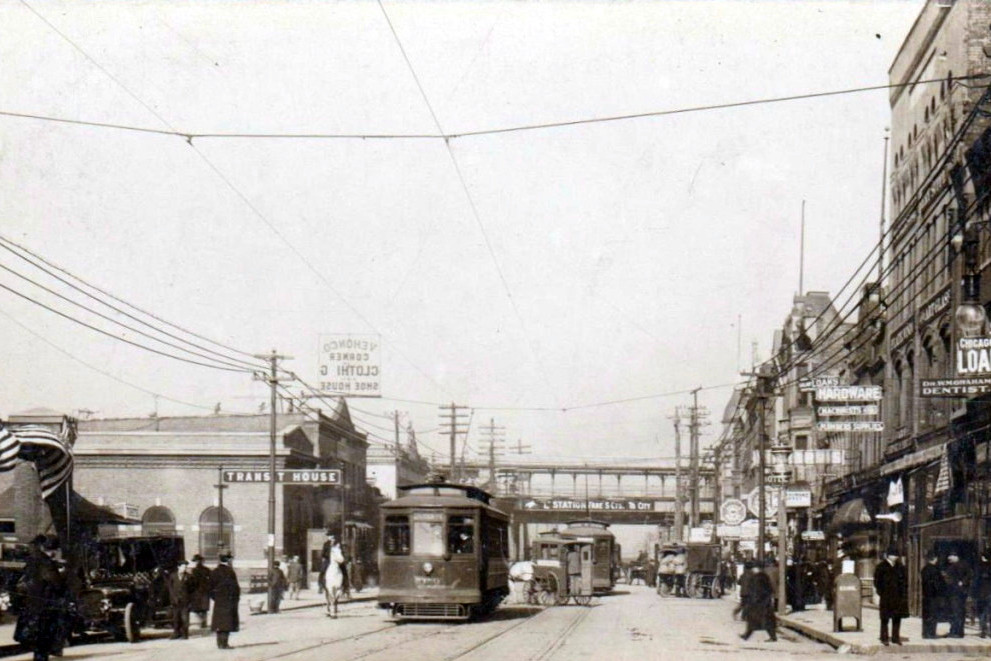
Patrick’s final child, my 2x great grandmother, Mary, was born in 1865 and she reports coming to America in 1880 at the age of 15, though her father Patrick reports not coming to America until 1883. It’s possible she came with her mother, though I have no records of Mary Dwyer Boland in the United States. In 1888, at 19, Mary married Henry Carroll. Henry was the son of Irish immigrants from Waterford, but he was born in LaSalle, Illinois. The 1900 census lists Henry’s occupation as blacksmith. Mary and Henry had three children, my great grandfather, Patrick, and two daughters, Nellie and Johanna. They lived in Minonk on Walnut Street. Mary’s father, 65 year old Patrick, lived with them.
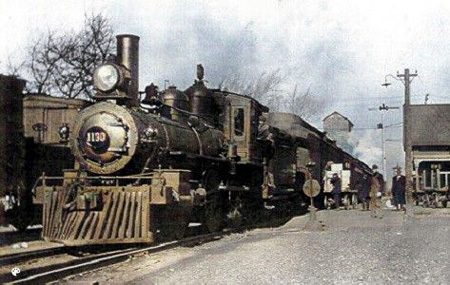
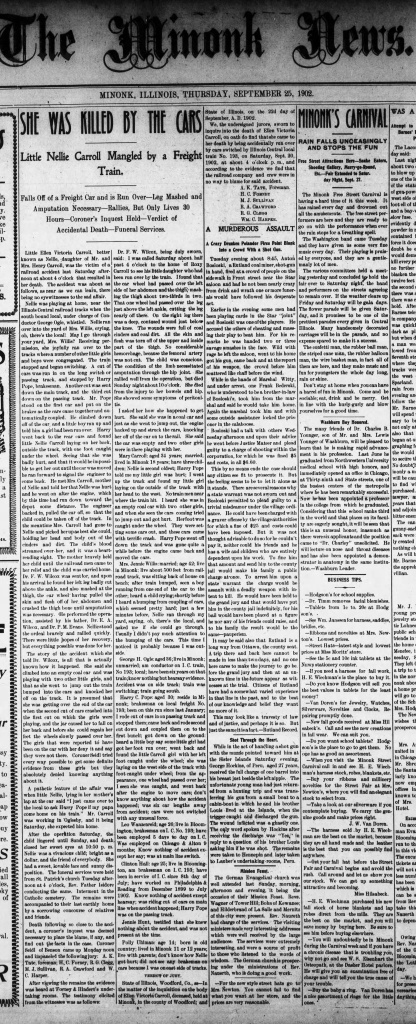
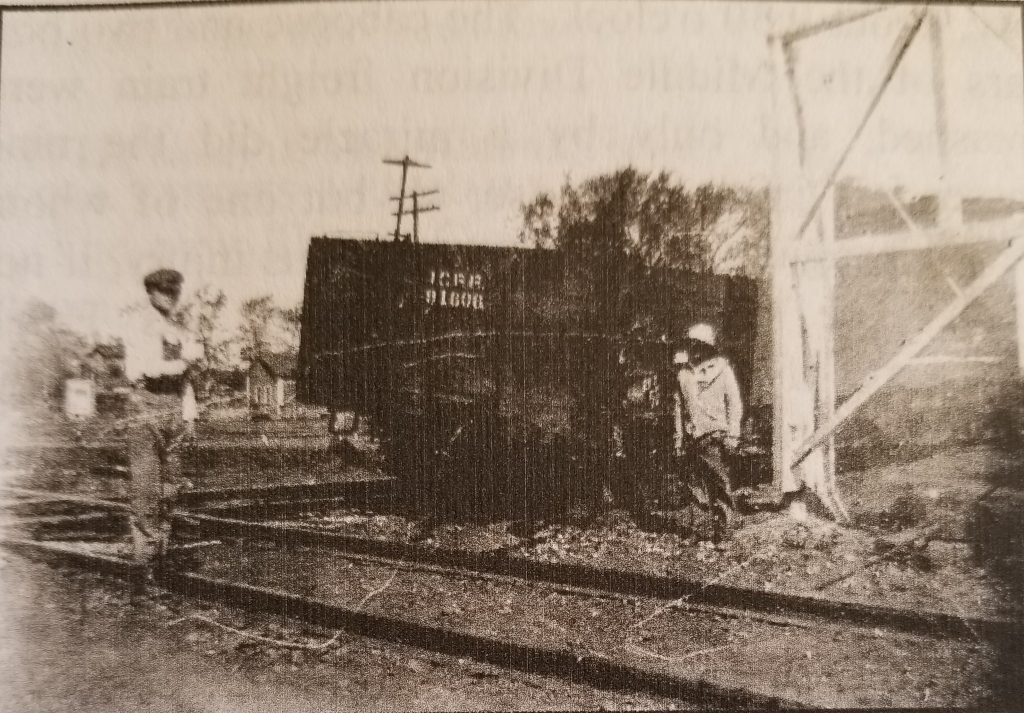
In September of 1902 eight year old Nellie was playing with friends in an empty coal car when she fell from the car and was run over by another train car. The newspaper details the tragedy in graphic detail. A neighbor by the name of Pope ran to tell Mary her daughter was hurt and she ran to the scene, holding her daughter out of the cinders and dirt as best she could with her foot still lodged under the car, blood streaming over them both. The car was moved and a doctor called. They amputated her leg and while she survived the surgery, she died the next day.
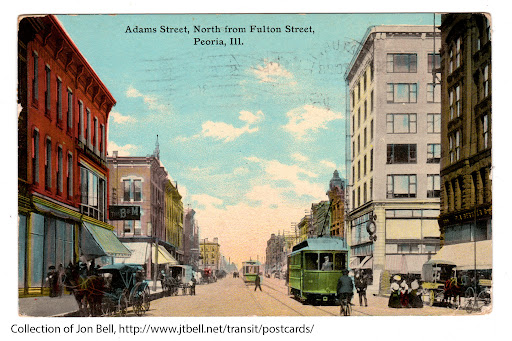
6 years after the death of her child Mary suffered the loss of her brother Michael and her father in January and September of 1908. In 1910 the family had moved to Peoria where Henry is now working as a foreman on the street railway. They were renting a home on North Adams Street. My great grandfather Patrick was 19 and listed his occupation as laborer of odd jobs. Johanna is 16, not working. In 1912 Henry is listed in the Peoria directory as working as a porter.
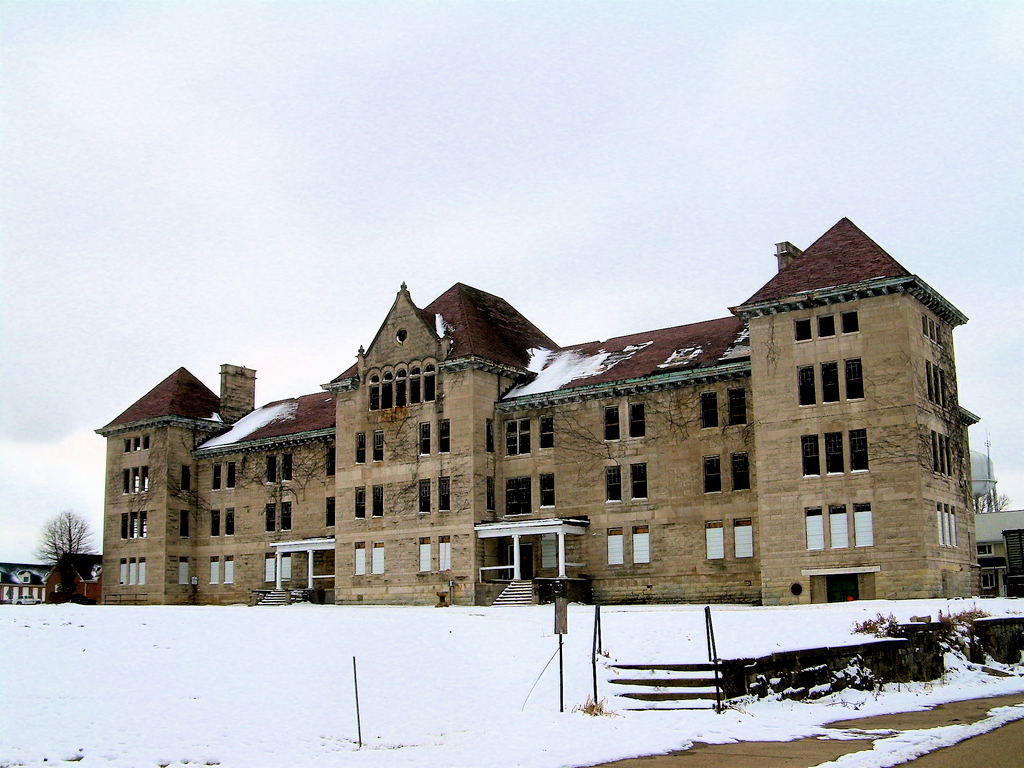
The 1920 census finds Mary an inmate at the Peoria State Hospital in Limestone, Peoria, IL. The hospital was also known as the Illinois Asylum for the Incurable Insane. This is the same year her brother John died in a Peoria workhouse.
By 1921 Mary is listed as the wife of Henry living again at 318 N Adams, Henry working as a janitor for Advance-Rumley, an agricultural manufacturing company based in Indiana with a Peoria distributor. The following year the couple are listed as living on Monson, in 1924 they’re on 1st Street. In December of 1925 Mary’s daughter Joanna gave birth to her daughter Betty Moretti, having married George Moretti, an immigrant born in Italy. The little family lived in Chicago on Wells Street. George worked as a “peddler” and “shuckster”. In July of 1926 Mary died in Chicago at the age of 61 and was buried at St. Joseph’s cemetery in Chicago. In November Henry also died and was also buried there.
The 1940 census finds Johanna and George living in the Old Town neighborhood of Chicago at an apartment at 1543 Wells St with their teenage daughter, Betty. Ten years on, in 1950 they’re in the same neighborhood, just a few blocks away at a house now, and now, Betty is called Betty Schranz and her husband Louis and 3 year old daughter Carol live with Johanna and George. George is still listed as a huckster, in the Fruit Produce trade and Louis is working as an electrician on Soybean extractors, both are independent contractors. Johanna’s other daughter, Kim isn’t listed, though she was born in 1951.
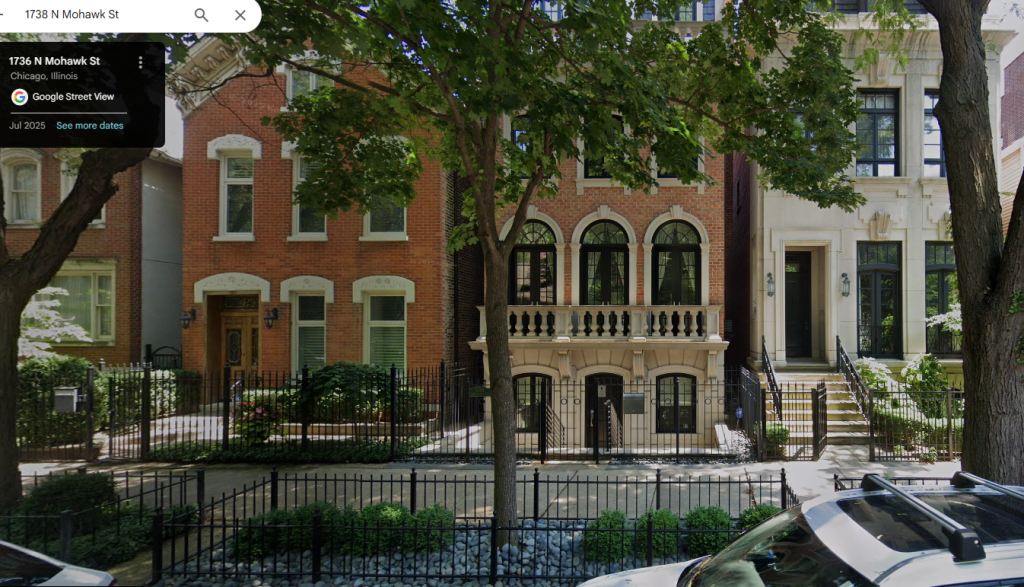
Then in Dec of 1952 Johanna was tasked with arranging the burial for her brother Patrick after he died in Texas. I’ve written the tale of my ne’er-do-well great grandfather in previous posts. He married 3 times, only one actually legally and didn’t stick around to raise his children from any of his wives. In 1950 he was living in Peoria, working at Caterpillar, but he died in Temple Texas after spending a month in the hospital there suffering from cancers in his lungs and tongue, eventually dying of pneumonia. He was sixty years old.
George Moretti died in 1979 at the age of 84 and in January of 1986 Johanna died at 89. They are buried at the St Joseph cemetery along with Mary and Henry and Patrick.
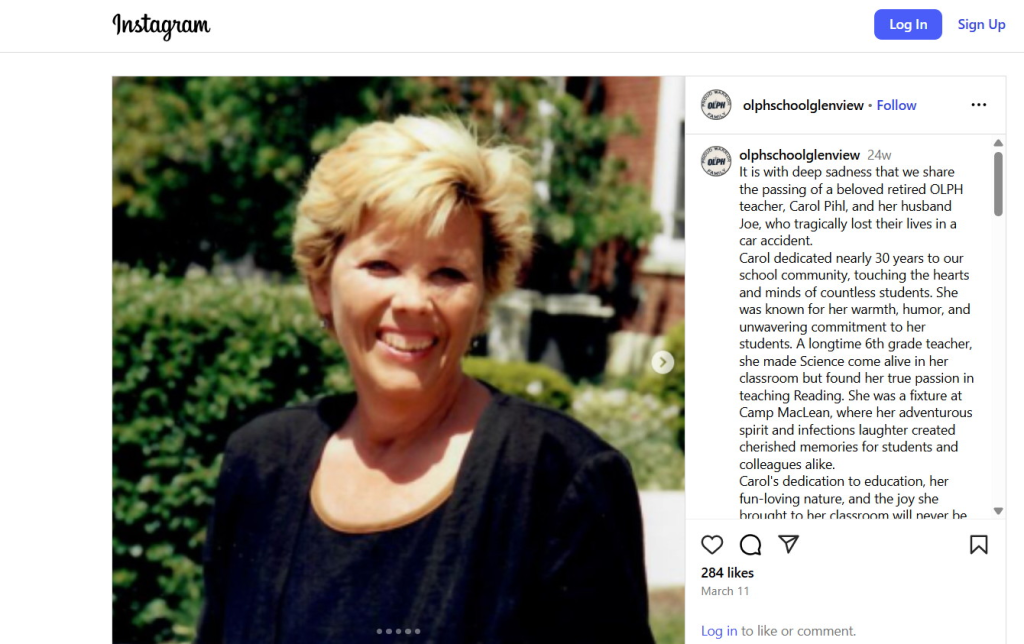
Tragically Johanna and Louis’s eldest daughter, Carol, and her husband Joseph Pihl, were killed in a car accident in March of this year. Carol was a beloved teacher at Our Lady of the Perpetual Hope Roman Catholic school in Chicago. Her daughter and sister survived her.
Patrick Boland’s obituary doesn’t name his wife, saying simply that he had married in Ireland and she had died several years before him and I have had no luck finding a death record for Mary Dwyer Boland. The obituary says Patrick was buried in the Catholic cemetery but while I found the graves of 3 of his sisters, a sister-in-law and a nephew, I could not find a stone for Patrick or his wife Mary in the St. Patrick cemetery in Minonk. It’s likely they couldn’t afford grave stones. It’s possible they are there, next to Patrick’s brother Edward’s wife and son. There is a lot of empty space around their graves.
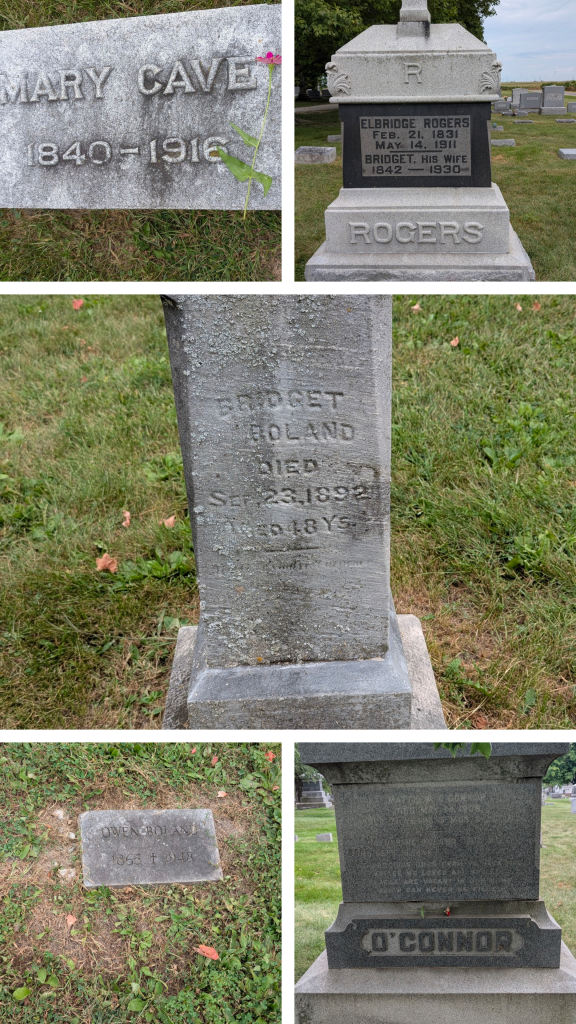
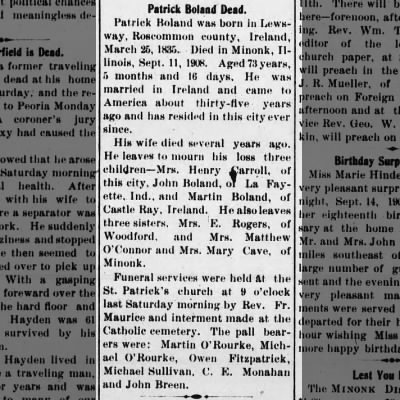
His obituary does mention three sisters who survived him. His eldest sister, Catherine, was born in 1834 and married Matthew O’Connor in 1875 in New York. According to Matthew O’Connor’s obituary he came to America with his parents at the age of 6 and lived in Hoboken NJ first, then came to Illinois where he grew to manhood. He had performed in Dan Rice’s circus as a tumbler and worked as a policeman in Buffalo NY for a time as well before returning to Minonk where he worked as a special duty policeman.
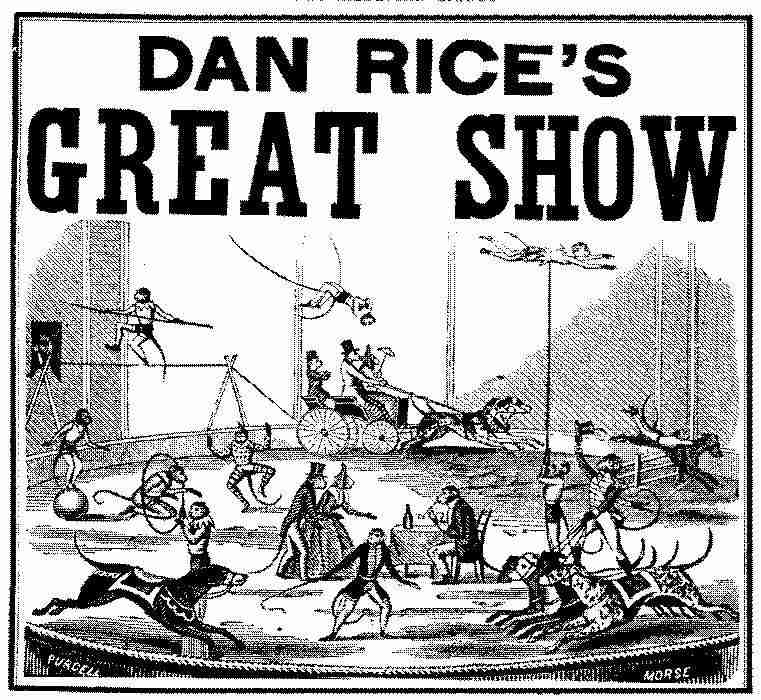
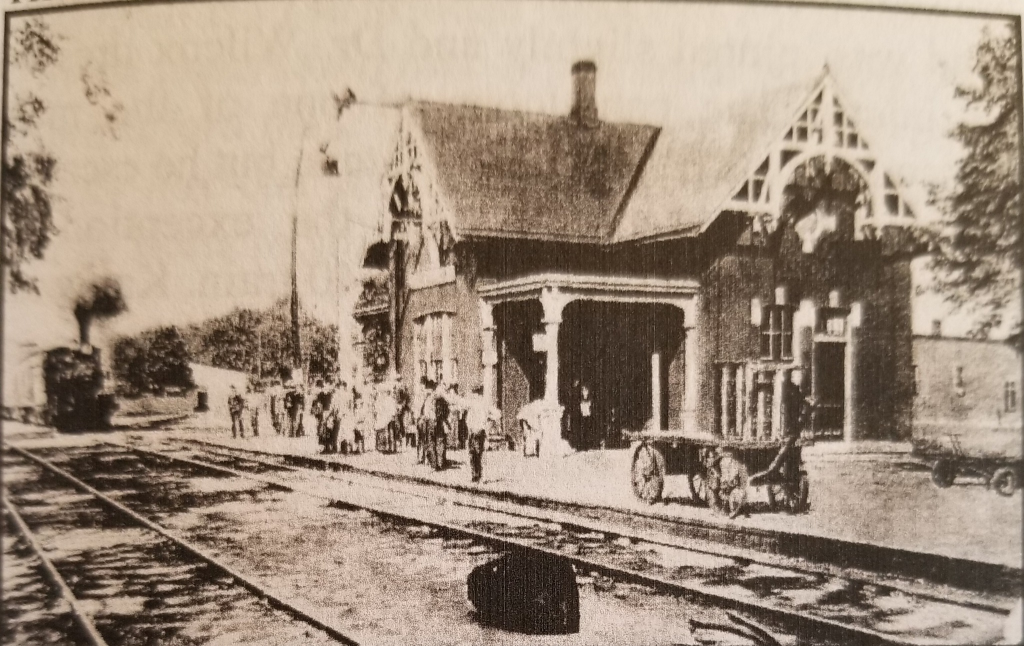
Matthew must have met Catherine there in New York. The obituary explains they married in NY and lived in Ohio for two months before moving to Woodford county Illinois and settling in Minonk eleven years later. It’s likely Catherine being established in Woodford County is what drew Patrick and Mary to the area. Catherine had one daughter, Maria, who was born in Ireland. Her father was Hugh Madden from Galway. Maria Madden was born in 1855 in Mayo, Ireland, a bit west and north of County Roscommon, not far from the Castlebar Gaol where her uncle Martin was held. She was born when Catherine was twenty years old. Two years later, in 1857, we find Hugh sailing to New York. It would have been hard going in post famine Ireland, and millions of Irish people left in those years. Catherine and Mary joined him in 1865 after the American civil war concluded. It’s unclear what happened to Hugh, if they were reunited at all actually, but by 1875 Catherine had married the circus performer, Matthew. Catherine’s daughter Maria married Matthew Kirk in Minonk in 1878. The two had 3 boys and 3 girls between 1879 and 1892. Matthew had been born in Washington Illinois, his parents though were from Northern Ireland and Scotland. He was a railway worker. There are many photos of the Kirk family on ancestry . com.
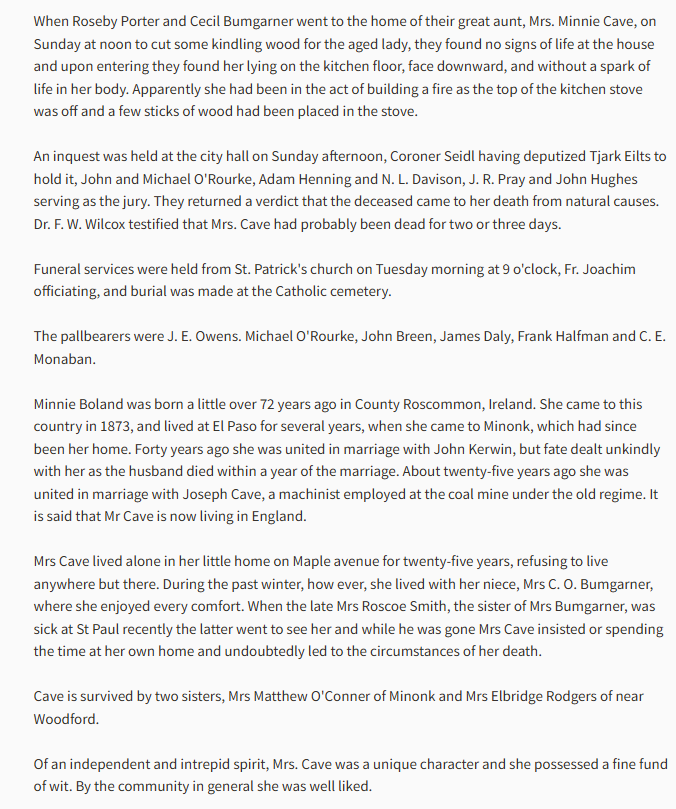
Patrick’s sister Minnie (Mary) arrived in 1873, living first in El Paso, IL and then Minonk. She married John Kerwin in 1876, but he died the following year. She then married Joseph Cave, who worked in the coal mine in 1891, but he left her and returned to England, while she remained in their home alone for 25 years where she died. The tale of her death was told in the paper. Her nephews came to her home in Minonk to cut kindling for her and found her dead, having likely been dead for two or three days.
Patrick’s third sister, Bridget, arrived in 1869 and married Elbridge Rogers in 1870; they also lived in Minonk. Elbridge was a farmer who had been born in New York or New Hampshire. In 1854 he’s listed in the school catalog for the New London Literary and Scientific Institution in Sutton New Hampshire. Bridget and Elbridge had three children. It was their children’s children that found Minnie when she died.
The obituary does not mention Patrick’s brothers, but Irish parish records show two more children born to Patrick Boland and Mary Dwyer. Thomas was born in 1846 and Edward in 1850. I have a DNA connection through Edward that proves he was indeed Patrick’s brother. Edward was born in 1832 and came to America about 1870. He had married fellow Rossie Bridget Morris in 1859 and they had 4 children in Ireland and four more once they had immigrated to Minonk. Edward worked on the railroad. Bridget died in 1892 at the age of 60 and it seems Edward died shortly after. Edward’s oldest son, John, worked the coal mines in Toluca. His eldest daughter, Catherine married a Thomas Lahner, who worked the printing press for newspapers in the Kankakee area. Their son Thomas Boland was a furniture maker in Kankakee as was their youngest daughter’s husband, while their sons Michael and Edward Jr worked on the railroad like their dad.
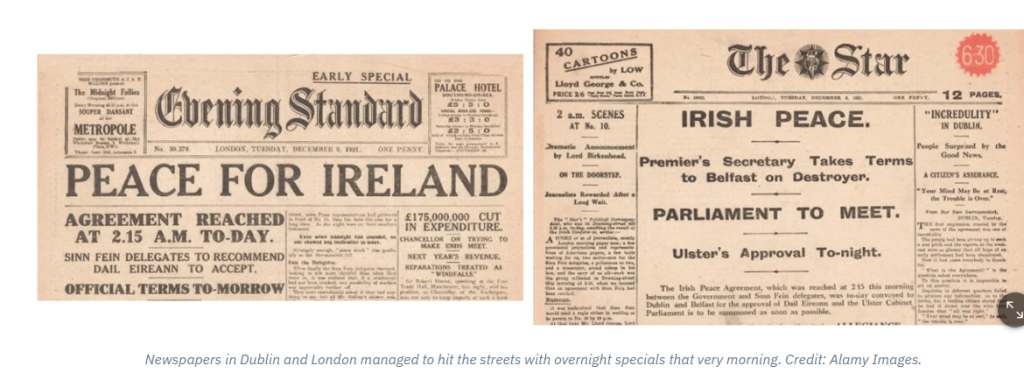
Thomas stayed in Ireland his whole life. He farmed in County Kildare with his wife Mary and children Owen and Mary. While this sounds like a peaceful life, in truth the 1920s brought a lot of conflict for farmers near Dublin with the civil war, but Thomas would have seen the birth of the Irish Free State.
There’s much I’ll never know about my Boland ancestors, but what I have taken away from my research into this sliver of my family tree is an even deeper appreciation of the struggles immigrants coming to America faced. So much heartache and hard work, yet they came together, with immigrants from every corner of the world, to build families and indeed, the infrastructure of the country itself.