TLDR: My 8x great grandfather, son of an English colonist, was stolen by the French and Indian soldiers, became a successful interpreter and trader , was assigned to one of the first recorded expedition to Illinois by the French, and later was reclaimed by the British, quoted in Royal Society papers, given a commission in their military and died heading to fight the French.
My 8x great grandfather Capt Joseph Kellogg can be found going up the Billings line from Amelia Billings Starr to her father Amos‘s mother Sarah Allis, to her mother Esther Dwight to her mother Joanna Kellogg to her father Capt Joseph Kellogg born in 1691 in Deerfield, part of the British Massachusetts colony. His father was Martin Kellogg, his mother Sarah (Dickinson) Kellogg was Martin’s second wife after his first died shortly after giving birth to his second child, Anna. They survived the Deerfield Massacre, as explained further on, but first a little backstory.
Martin’s father was also called Joseph Kellogg who came from Essex, England to Boston by 1651. He relocated to Hadley and by 1661 he was running a ferry there and that ferry remained in the family for most of the next century. He commanded the Hadley Troops in the “Turners Falls” fight which is credited with breaking the power of the river tribes. This Lt. Joseph Kellogg was the father of 20 children, fourteen that lived to adulthood.
Now back to my 8x great grandfather, Capt. Joseph Kellogg, he had moved from Hadley 16 miles north to Deerfield, on the far edge of the settled Massachusetts colony. It was a frequent target of raids, but the the “Deerfield Massacre” was the most notable.
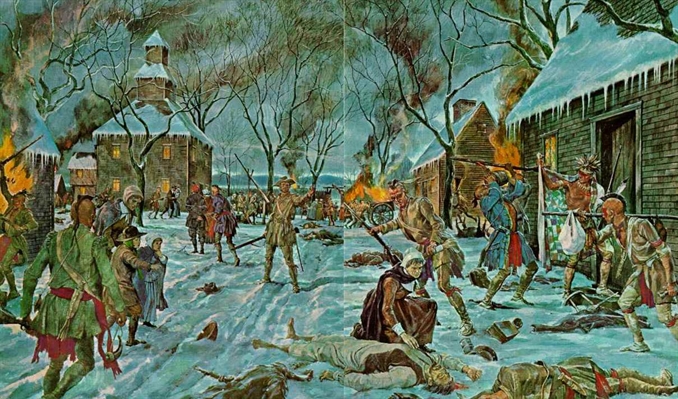
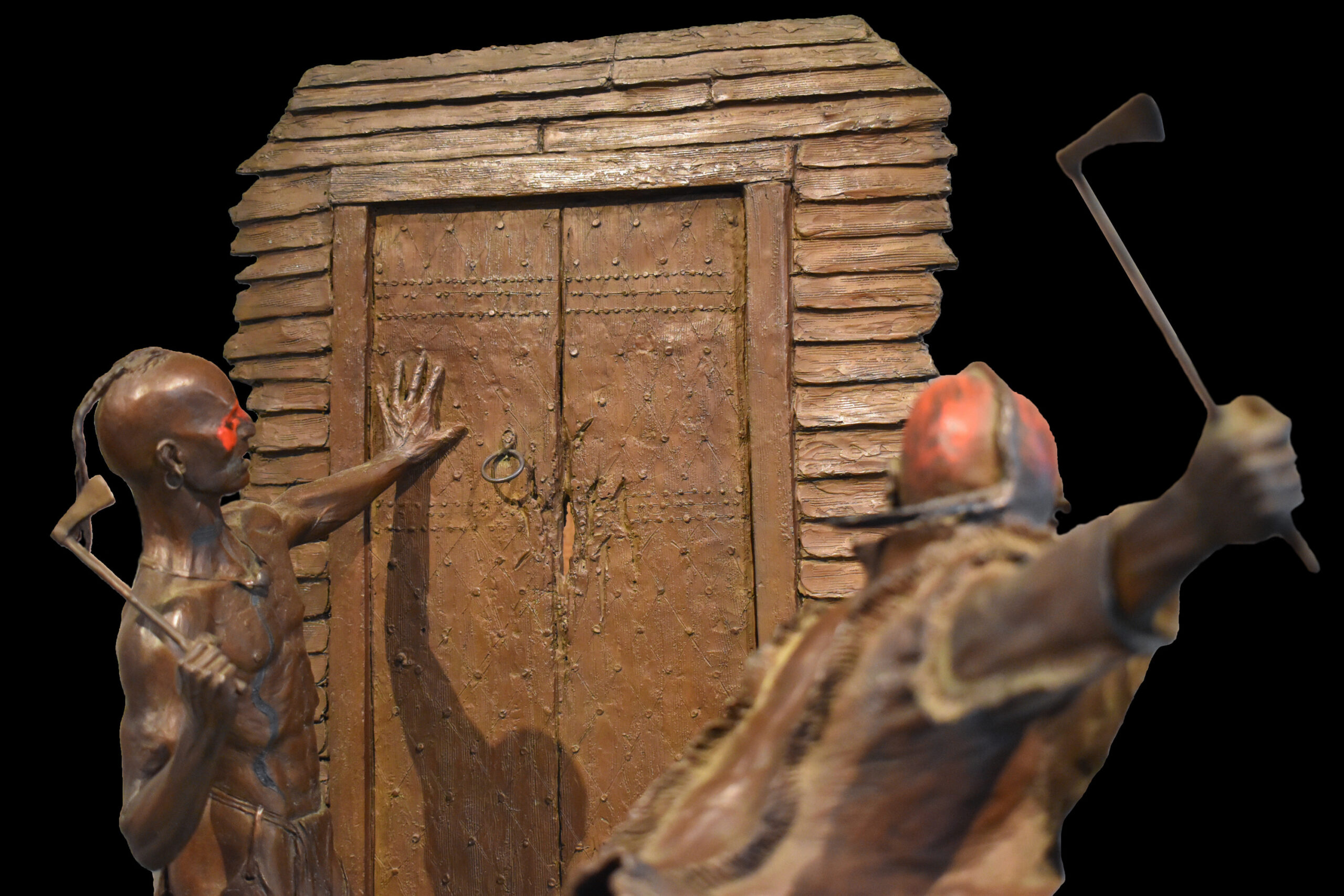
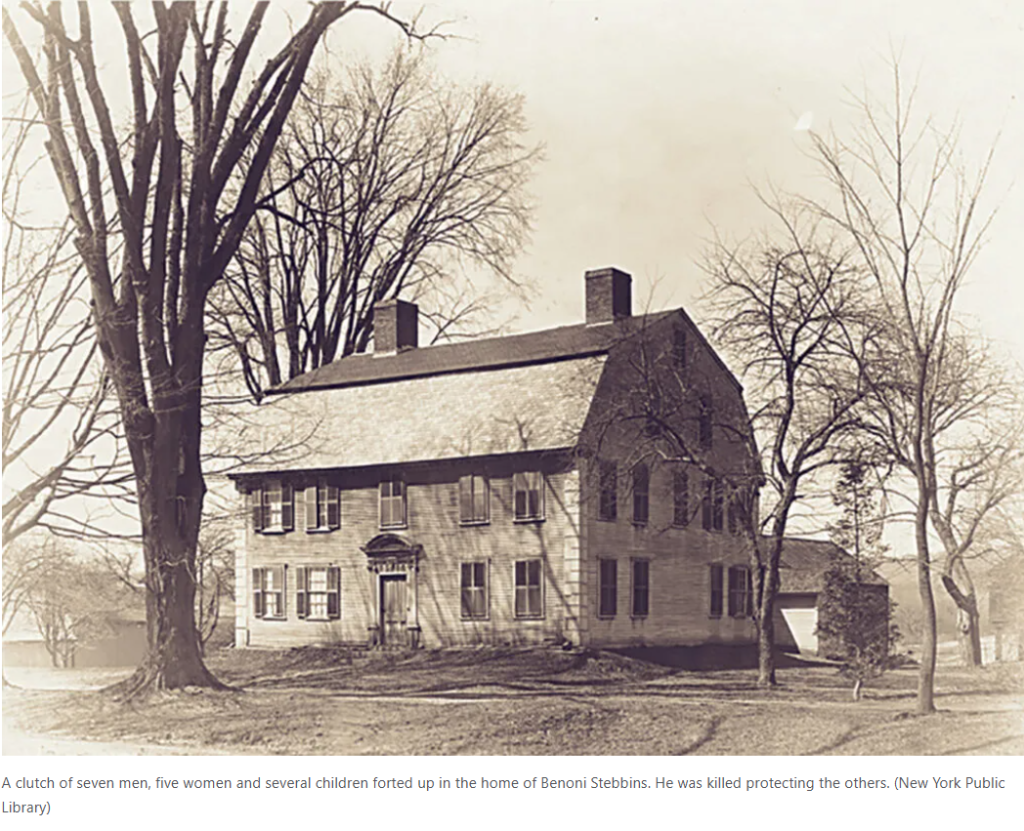
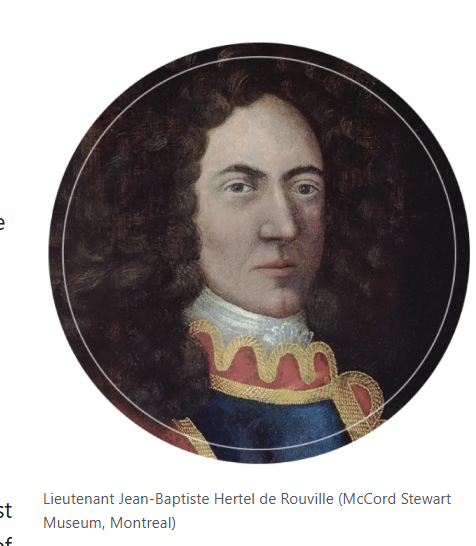
On Feb 29, 1704, during Queen Anne’s War, Jean-Baptiste Hertel de Rouville and his troops, which included Canadians and Abenaki, Kanienkehaka (Mohawk), Wyandot, and Pocumtuck soldiers, attacked Deerfield, burned most of the town, killed 56 colonists (22 men, 9 women and 25 children) and took 112 captive (40 percent of the village). Martin and four of his children were captured (Martin Jr from his first marriage, Joseph, Joanna and Rebecca). His wife Sarah hid in the cellar during the raid with their youngest, Jonathan and Martin’s daughter from his previous marriage, Anna. When the soldiers heard the baby cry they killed him and burned down the house, but Sarah and Anna escaped.
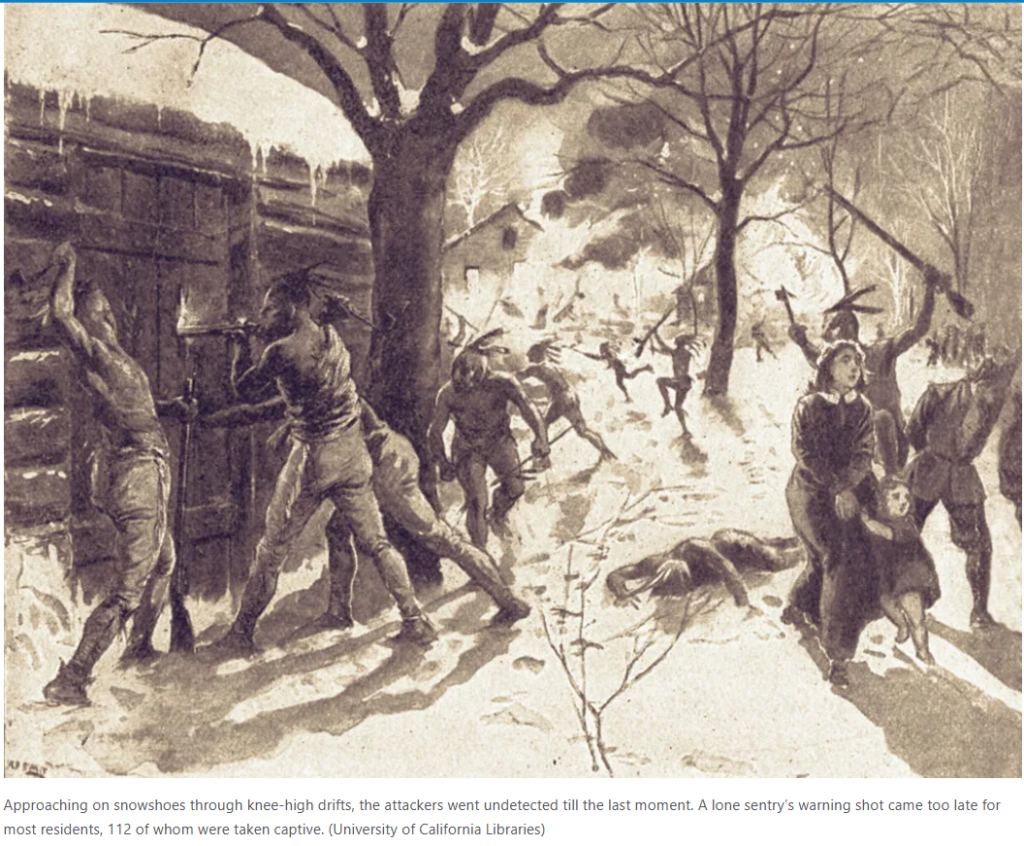
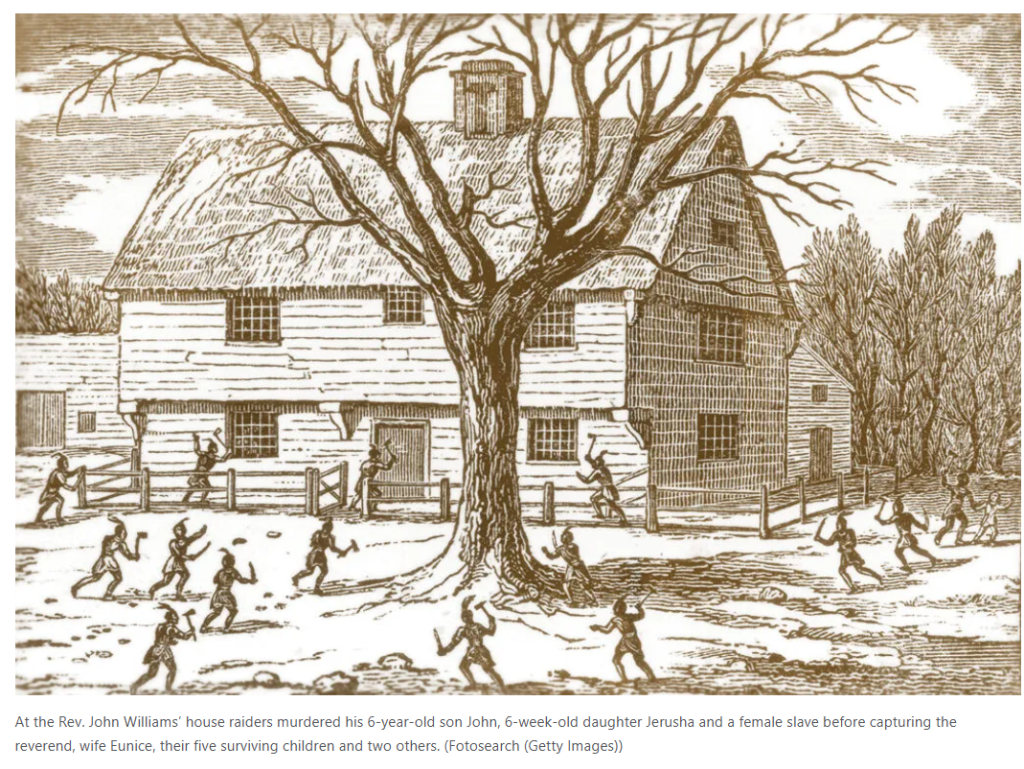
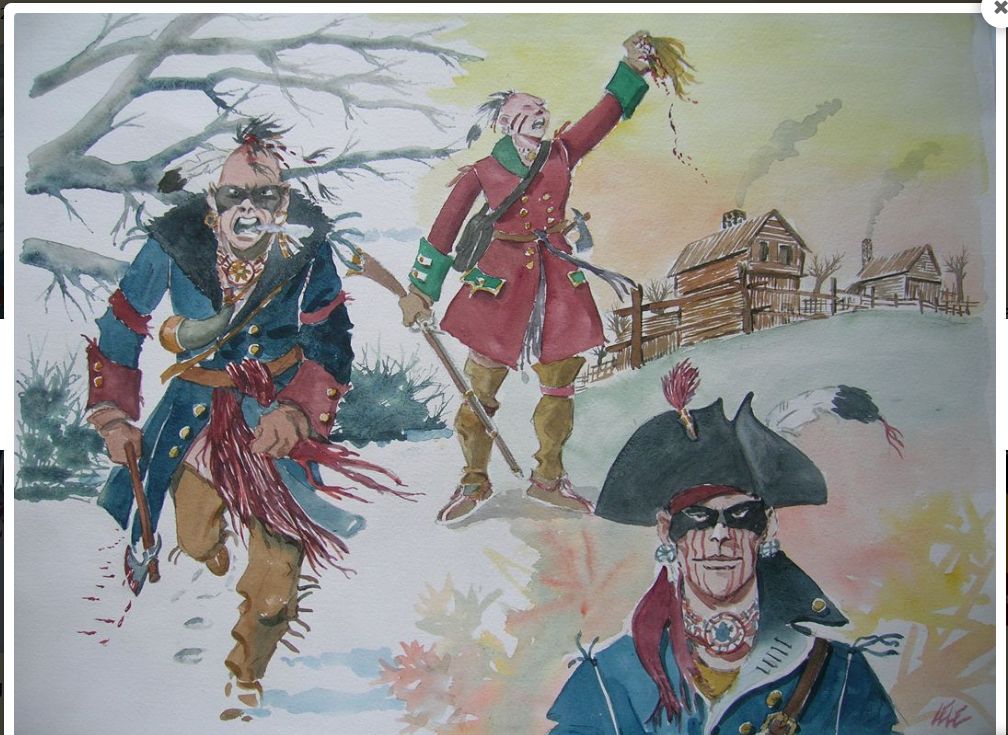
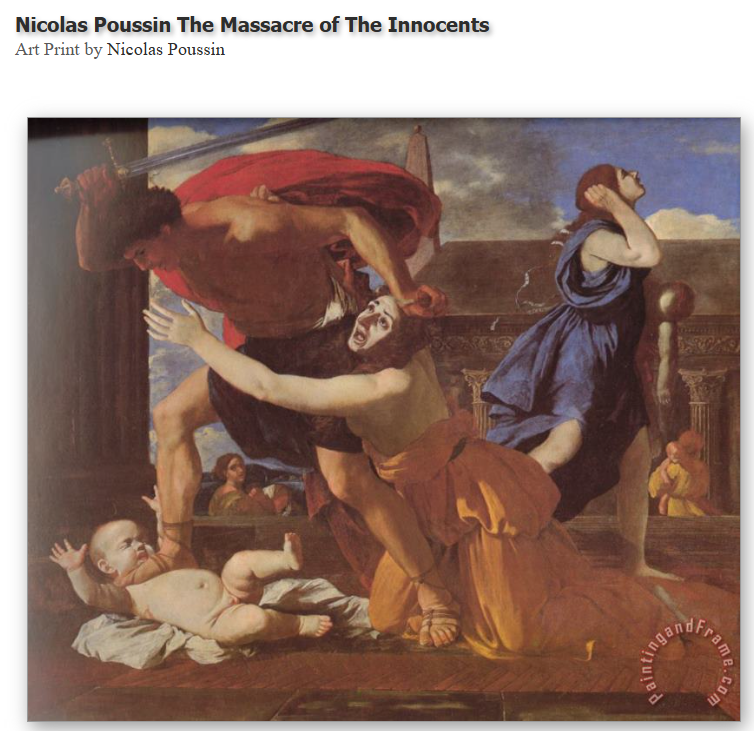
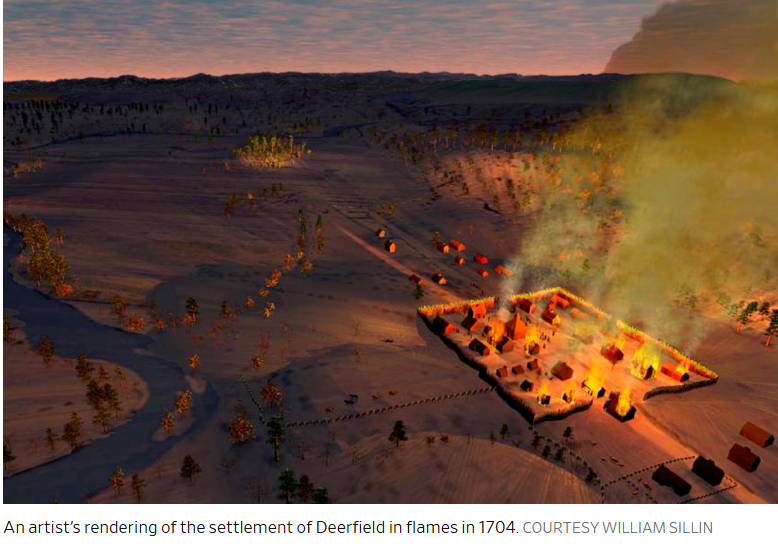
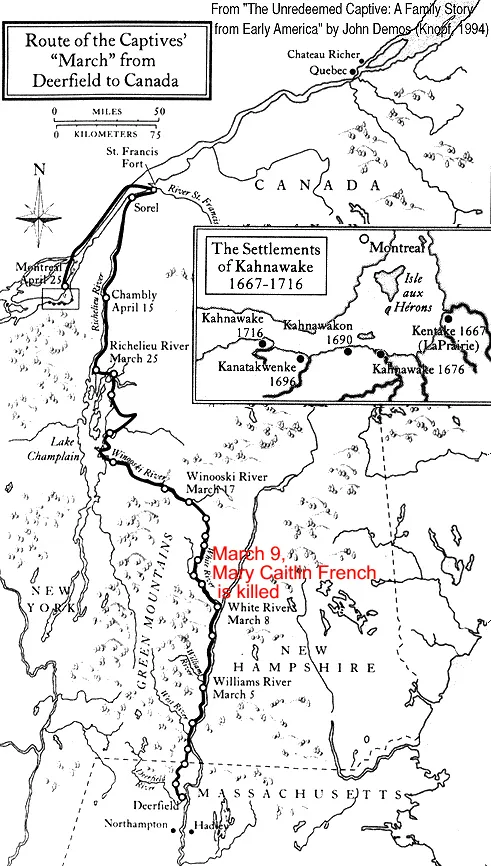
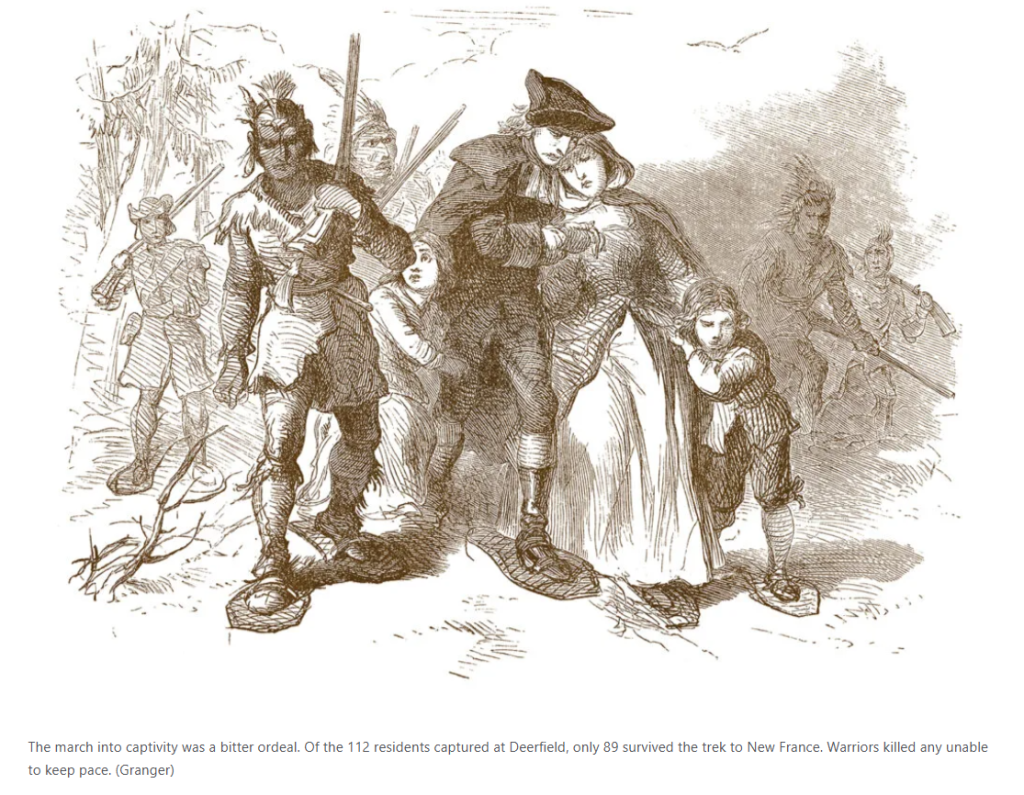
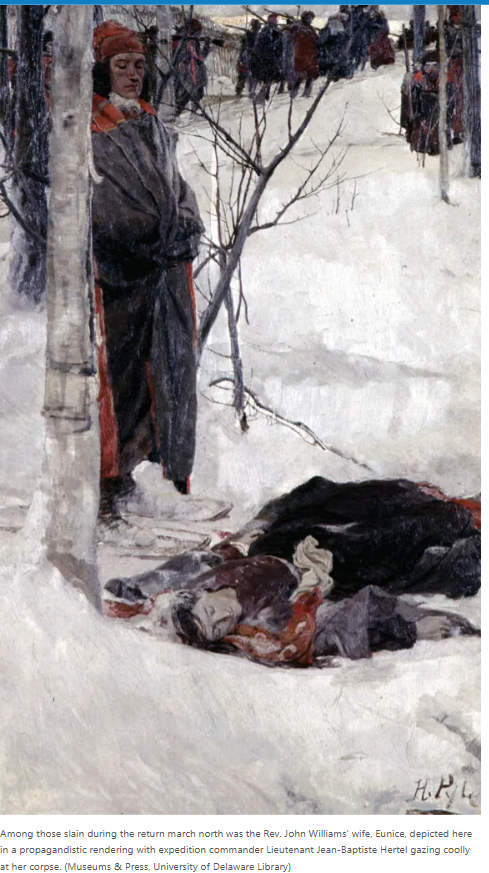
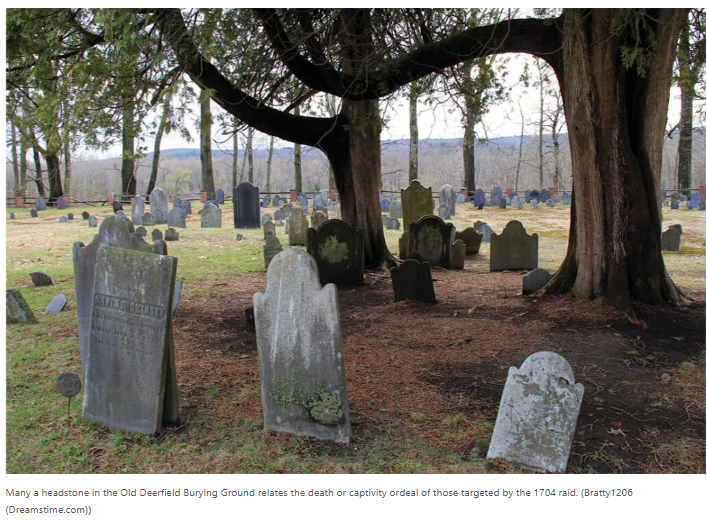
Those captured were forced to march 300 miles to Kahnawake near Montreal, Canada. It took a month and some were killed along the way when they couldn’t keep up. In total 23 of the captured were killed, mostly women (some pregnant) and children. Roughly 60 colonists were later ransomed, while others were adopted by Mohawk families and became assimilated into the tribe. One escaped, but the others were told all of those remaining would be tortured if any more attempted to escape.
Martin, Martin Jr, Joseph and Rebecca were ransomed eventually, but Joanna- who was 11 when captured- chose to remain in Canada. She eventually married a chief of the Caghnawaga tribe.
Joseph’s bio can be found on

https://www.biographi.ca/en/bio/kellogg_joseph_3E.html
Joseph was held at the Caughnawaga mission at Sault-Saint-Louis (near Montreal) for a year. He learned the Mohawk language readily and proved to be such a good linguist that he was delivered to the French, who naturalized him in May 1710, and employed him as an interpreter on trading expeditions. He later reported that he travelled about freely, learned the languages of all the Indians with whom he traded, and made a considerable amount of money.
A more thorough bio can be found on the American Surveyor website:
“During the years of Joseph’s absence, his family in Deerfield had become increasingly anxious for his return, and finally in 1714 his half brother Martin was sent to Canada to find him and induce him to return to New England. Joseph was given assurances that he would be given government employment if he returned. Martin was successful and the two came home by land. In May 1715 it was ordered “That a Message be sent up to His Honour, the Lieut. Governor, Requesting him to improve Joseph Kellogg, lately returned from Canada, where he was a Captive, to some Post wherein he may support himself.”
Joseph was quickly “improved,” for in June 1716 it was noted that “Joseph Kellog, a captive lately returned from out of the hands of the Salvages be allowed after the rate of Four pounds per month for the space of six months as Interpreter to the Indians and Serjeant of the Guard at Northfield.” In the meantime his father had moved his family to Suffield and for several years Joseph lived with them.
Then in 1719 Kellogg married Rachel Devotion, the local parson’s daughter, and in the course of the years they had five children. Joseph began serving as interpreter and upon the outbreak of what became known as Father Rasle’s War, he was commissioned lieutenant under Captain Samuel Barnard. The next year he was put in command at Northfield with the rank of captain.”
At some time before his marriage, Kellogg became acquainted with Paul Dudley, who had been appointed judge of the colony’s superior court. The son of Governor Joseph Dudley, he had graduated from Harvard, studied law, entered the Middle Temple London and in the course of the next five years in London he became acquainted with several learned men and members of the Royal Society.
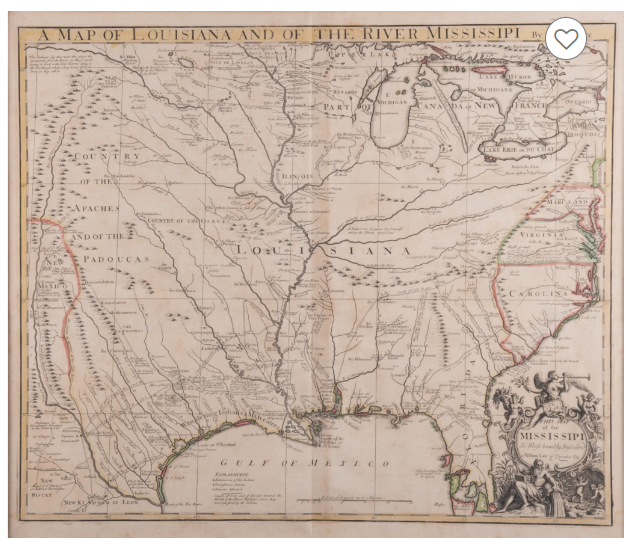
At the time of Dudley’s election to the Royal Society, among the Society’s interests was the revision and publication of a series of maps that had been prepared by the London engraver, cartographer and bookseller John Senex, who later was elected to membership in the Society. In 1710 (the year that John Kellogg had visited the Mississippi Valley), Senex had published a map of North America corrected from observations communicated to the Society from various sources (Figure 3).
In the course of his conversations with Kellogg, Dudley showed him a copy of Senex’s 1710 map of North America. Kellogg viewed it with the eye of one having firsthand information and offered corrections based upon his own observations, which Dudley considered to be worthy of the Royal Society’s attention. With the Senex map in front of him, Kellogg dictated to Dudley an account of his expedition to the Illinois country.
Kellogg Moves On
In 1715 Senex produced “A Map of Louisiana and of the River Mississippi,” and in 1719 Senex published “A New Map of the English Empire in America” (Shown on pp. 10-11). The account of Kellogg’s expedition was not published in the Society’s Philosophical Transactions, perhaps because it was deemed inexpedient to make public Kellogg’s information at a time when tension was growing between France and England in the New World. Dudley’s manuscript is filed in the Society’s archives. In March 1720/21 Dudley communicated to John Chamberlayne the account of Kellogg’s trading voyage that he had copied from Kellogg’s dictation. Chamberlayne showed the manuscript to Sir Hans Sloane. In turn it was read by Sloane to the members of the Royal Society of London on May 11, 1721, together with Dudley’s accompanying letter, and it was recorded in the Society’s register for 1722-24. [fols. 13 2 3-13 6.] Numerous references to Kellogg are to be found in the archives. Kellogg made several journeys to Albany, back to Canada and other distant places.
In 1714 the General Court of Massachusetts had voted to build a block house above Northfield and to post forty able men to it, including Englishmen and Western Indians. They were to be employed in scouting a good distance up the Connecticut River, and as far above Great Monoadnock in order to spot the enemy approaching frontier towns. A fort, named Fort Dummer, measuring about 180 feet square and built of yellow pine, was erected at the southeast corner of the present town of Brattleboro on the west bank of the Connecticut River.
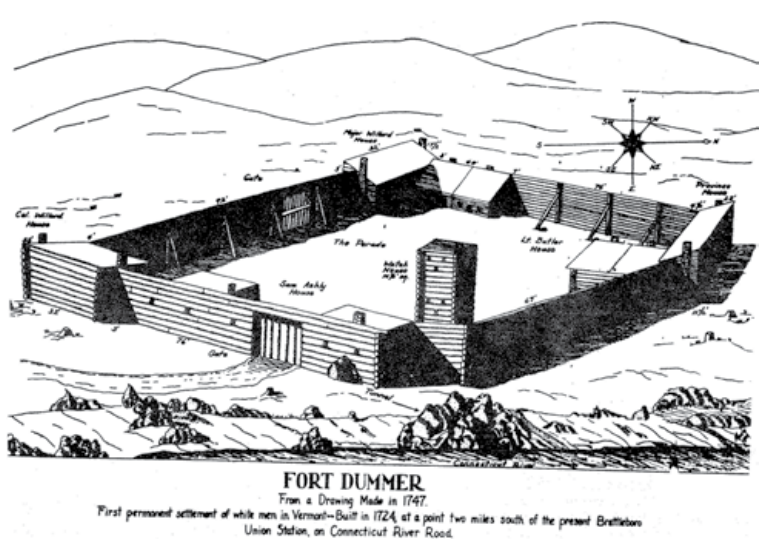
In command at Northfield in 1722 and until his death, Kellogg continued to be constantly occupied as either scout or interpreter with the Indians. His unique knowledge and skills in Indian signals, modes of ambush and warfare enabled him to meet them on almost equal terms. In 1726 he received an urgent call from the New York authorities asking him to settle in Albany with liberal pay, but he refused, and instead, for the next twenty years Kellogg chose to remain at Fort Dummer as captain in command of the fort and trader with the Indians at the “Truck House” that had been established there for that purpose.
In January 1727/8 in acknowledgment “for his services as interpreter to the Western Indians and in several other publick Employments,” the General Court awarded Kellogg two hundred acres of unappropriated land in the County of Hampshire, on top of Coys Hill.
It was noted that “during his Captivity he observed the Circumstances of the Peltry Trade which be thinks this Government could carry on to Good Advantage and advises a Trading-house at the Block-house above Northfield or higher up the Connecticut River.”
In 1740 he was called to be the general interpreter to the Indian nations, a post he retained until his death. For nearly two years Kellogg was employed as an interpreter in the Reverend Seargent’s Indian mission at Stockbridge, Massachusetts and paid from the fund “left by Sir Peter Warren for the education of Mohawk children” and he succeeded his brother Martin in the care of the Hollis school for Indian boys. He also served as Justice of the Peace at Northfield.
A Final Journey
n 1756, at the age of sixty-five, although by this time he was broken in health, Kellogg was persuaded by Governor William Shirley to accompany him as his interpreter on his Oswego expedition when he took the field with the unfortunate expedition against Niagara. It was an ill-fated endeavor; Shirley’s second son, a captain, died of fever on the expedition, which reached no further than Oswego. Kellogg’s strength proved not to be equal to the arduous journey, and he died on the way. He was buried in Schenectady, New York. Despite his fame in his time, his burial site in Schenectady is unknown and unmarked, nor does the community have any knowledge or record of Kellogg.
Kellogg was regarded as the finest Indian interpreter of his day in New England. A passage in The History of Northfield could serve as his eulogy:
Capt. Kellogg was one of those brave, true natures that are not appreciated while living and receive little renown when dead. Unselfish, fearless, conscientious, always ready to go where duty called, he gave the strength of his manhood to the defense of these frontiers. He lived to see doubtful beginnings become sturdy growths; he lived to see the question settled that the French rule would never be dominant in the Connecticut valley. Northfield owes it to him that it was not a third time destroyed.
Dr. Silvio Bedini is an Historian Emeritus of the Smithsonian Institution. He is the author of more than 300 articles and monographs published in scholarly periodicals, and is presently completing his 23rd book.