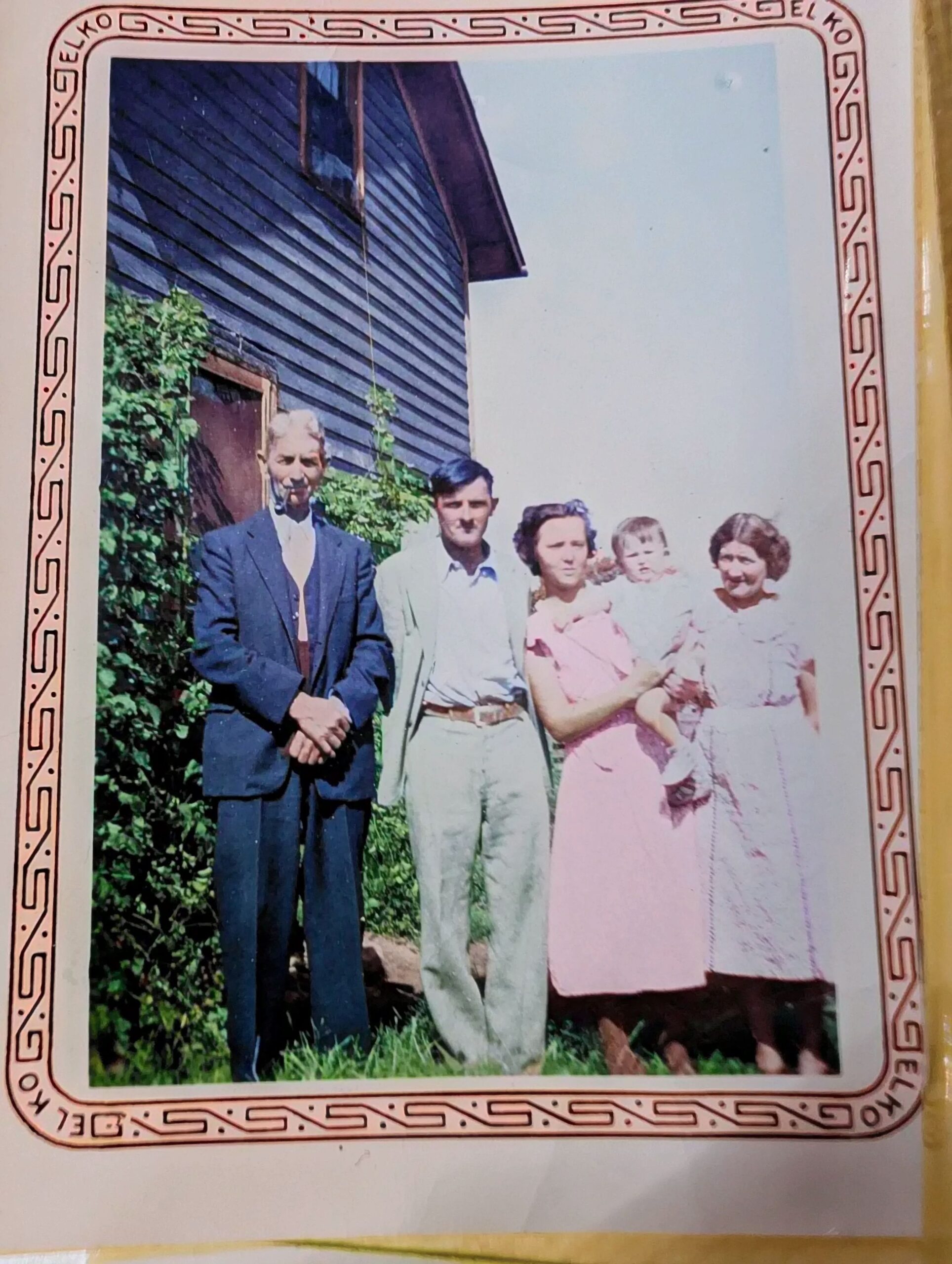
The mother of my maternal grandfather was Ruth Taylor. Ruth was born on the 4th of July 1897 to Anna Moeri and James Peter “JP” Taylor. Anna and JP were married in Peoria Illinois in 1895. JP worked as a barber and they lived at 506 Greenleaf Street, which today is a parking structure for St. Francis hospital.
Their first child died at eleven months of age in 1896 and Ruth was born just four months after his death. Margaret Taylor was born 14 months later in September of 1898. By November of the following year Anna was married to another man, Frank Owens. And in November of 1899 JP married Abbie Walsh.
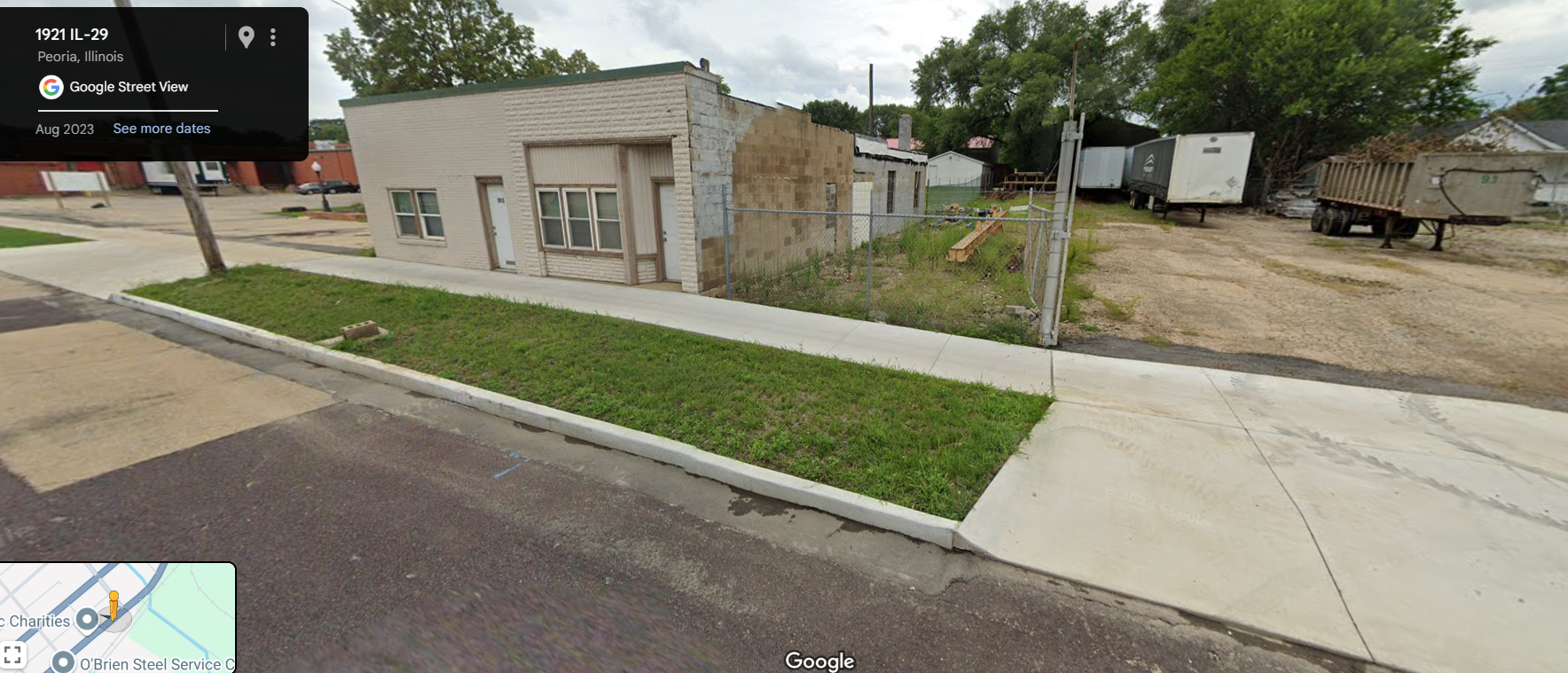
JP and Abbie’s first child together died in infancy in 1903, as did Ruth’s mother, Anna. Ruth and Margaret moved in with JP and Abbie and then in 1906 they welcomed another daughter, Hazel. The 1910 Census lists JP running a Barber shop at 1923 N Adams Street in Peoria and is renting a house at 2225 NE Jefferson Ave.
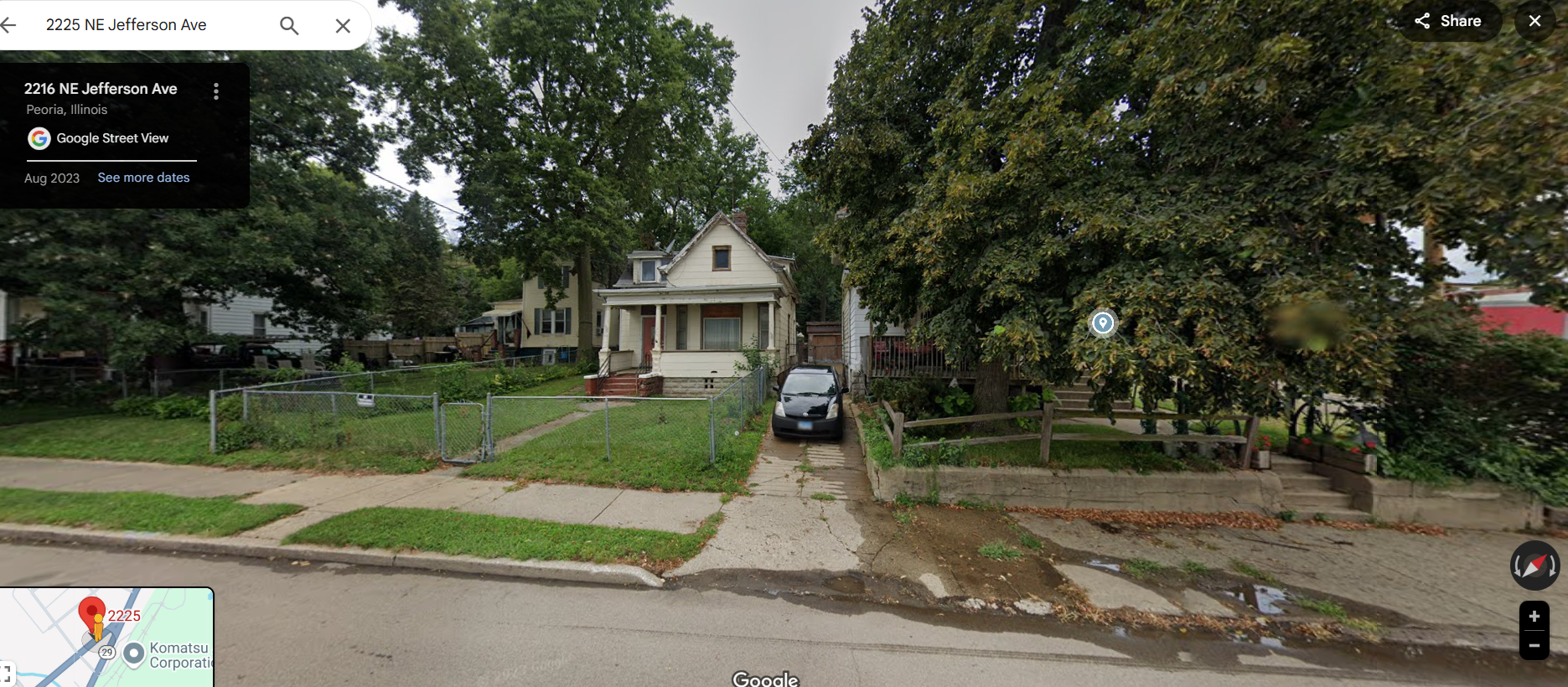
It was a full house with 13 year old Ruth, 12 year old Margaret, 3 year old Hazel and Abbie‘s adult daughter from a previous marriage, Ethnel, all living there, as well as one boarder. Tragically just 3 years later, at the age of only 39, JP died due to a heart condition called mitral regurgitation. As I looked into his family lineage it seems likely he inherited this condition from his father and grandfather.
JP was the youngest child of Rufus Luther Taylor and Emily Irons Taylor, born in May of 1874 in Bogart township, Henry County Missouri, a small farming community about 90 minutes northwest of Kansas City MO. JP never really knew his father, as he died when he was just 10 months old. His mother brought him and his siblings to live in Saint Joseph, Illinois, near Champaign, when he was a small child. His older brother Thomas also lived in Peoria around the turn of the century, as a salesman.
Rufus Taylor, originally from Ross County Ohio, had moved to Indiana with his father, William, around 1840 and married Emily Irons in Montgomery County Indiana in 1860. They farmed in Indiana until moving to Henry County Missouri in 1867. Like his son, Rufus died relatively young, at the age of just 49.
Rufus’s father William Irwin Taylor was born in Kentucky in 1798, the eldest of Joseph and Jane Irwin Taylor‘s eight children. Just as Rufus moved states with his father, his father had moved states with his when William was just a toddler. William was raised in Ross County Ohio on the farmstead his grandfather had claimed for his service during the Revolutionary War. In 1824 Rufus married Elizabeth Harper Finch whose family had come to Ross County the same time as the Taylors.
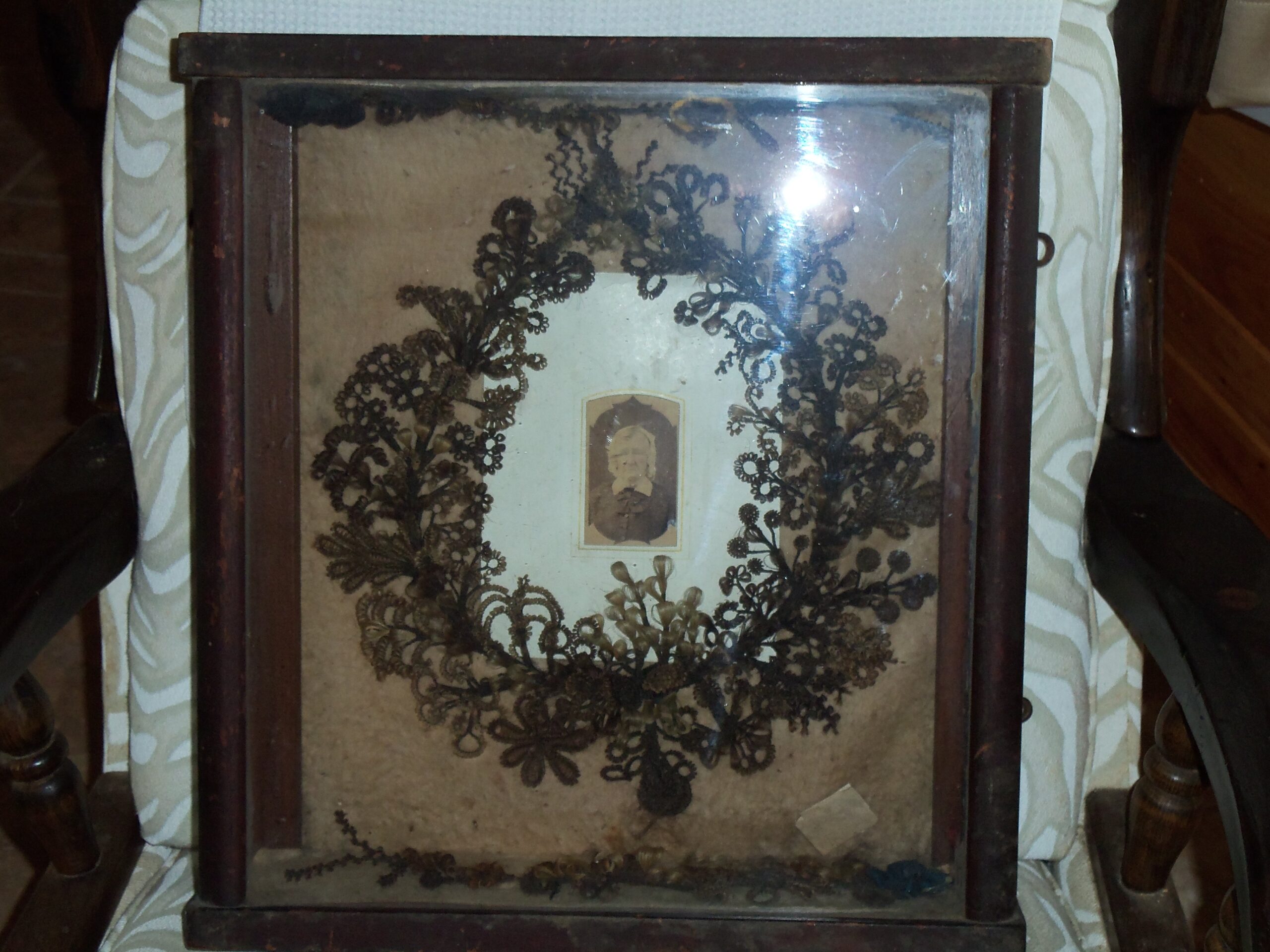
– An interesting aside here is that through Elizabeth Finch I have a family link to my own husband’s family. If you trace the Finch family back to Elizabeth Finch’s 2x great grandfather, Isaac Samuel Finch our trees connect as Christopher’s maternal grandfather Clifford Perry‘s mother was also a Finch descended from the same line. But I digress.
Around 1840, at the age of 42, William and Elizabeth moved to Sugarcreek in Montgomery county Indiana. And like his son and grandson William died young, at just 48 years old. After William’s death Elizabeth and her daughter Rowena moved from Indiana to Missouri where Rufus had died, though Rufus’ widow moved on to Illinois. It is there in Cass County Missouri that Elizabeth is buried.
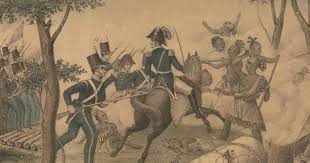
William’s father, Joseph Taylor (1770-1830), had left Upper Freehold New Jersey with his parents, William and Lucy Taylor, seeking land after William’s service in the Revolutionary War. Joseph married Jane Irwin in Kentucky but soon the young family and his parents and siblings crossed over the river into the Ohio Territory that had recently been negotiated away from multiple native tribes. There they established a farmstead that remained in the Taylor family for over 125 years in Bainbridge, Ohio.
Joseph enlisted during the War of 1812 in the Army from May 1 to May 19 1813. This would have been during the siege of Fort Meigs in what is current day Perrysburg Ohio. He served in the Mounted Corps under Captain Nathaniel Massie.
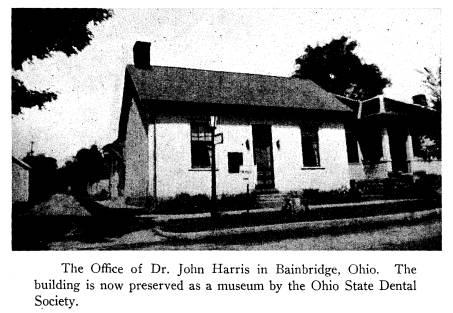
Four of Joseph’s sons became dentists: Joseph (1806-73), James (1809-81), Edward (1811-68), and Irwin (1813-43). One grandson and two great grandsons of the elder Joseph Taylor also chose the dental profession for their life’s work. They were James Irwin Taylor (1842-1916) of Cincinnati; his son Henry C. Taylor (1871-1946) of Toledo; and James Silcott (born 1865) of Washington. James earned a medical degree as well and was the president of the Mississippi Valley Association of Dental Surgeons in 1849. When the Association began the publication of the Dental Register of the West in 1847, Taylor became its editor. He edited this journal for nine years. At the same time he was writing many articles and delivering lectures on the practice of dentistry. This editing, writing, and lecturing were all done while he continued to act as dean of the Ohio College, to teach practical dentistry and pharmacy, and to carry on an extensive dental practice. In 1856 he was elected president of the American Dental Convention.
In 1835 Joseph was appointed the Postmaster for Gillespieville Ohio, now called Londonderry, just 2 years after it was first established. Joseph died in Bainbridge Ohio just four months after his father in the same location in 1830. Joseph was 59, William 85.
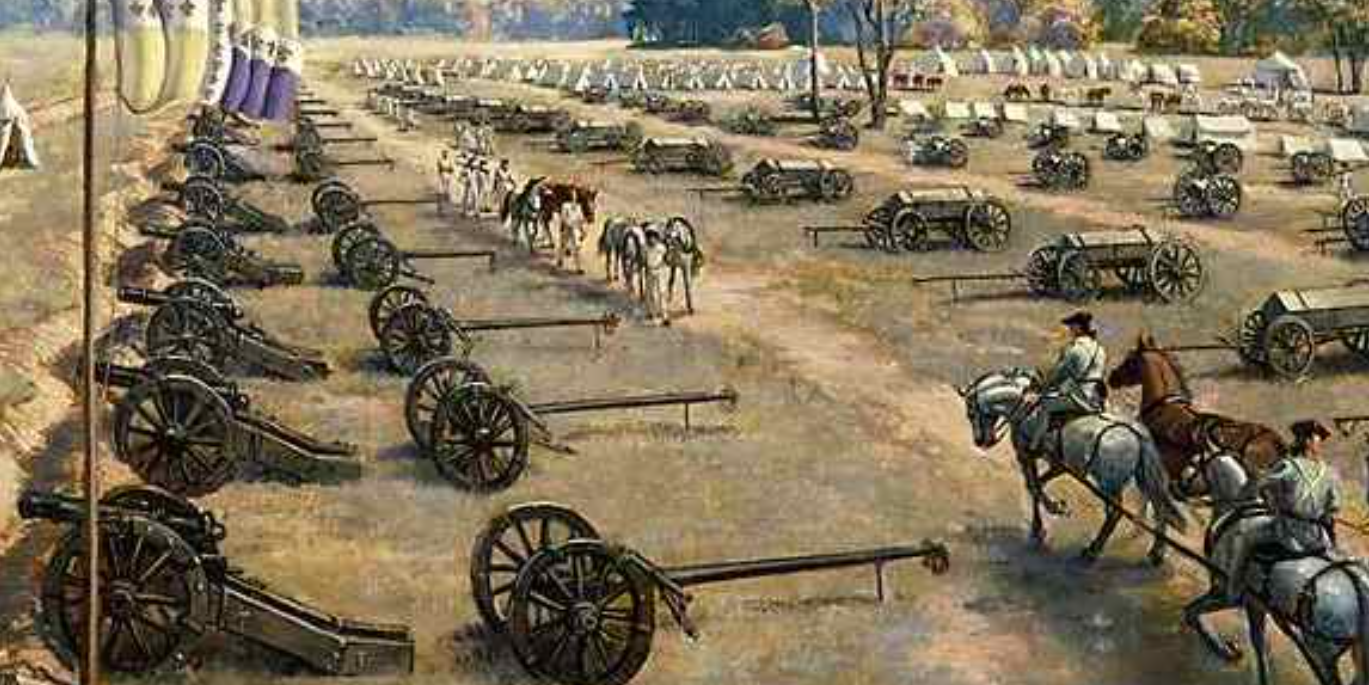
William Taylor (1744-1830) served during the Revolutionary War, enlisting in 1778 and was discharged in 1783. He was a wagon master in Captain Bateman Lloyd’s Company, Colonel Israel Shieve’s and Lt. Colonel William Dehart’s 2nd Regiment of the New Jersey Line. The regiment landed on the Janes River September 21, 1781, and was used in the siege of Yorktown and was present at Cornwallis’ surrender. In an application for membership in Sons of the American Revolution his grandson testified: “William Taylor served 3 years in the Revolution. He said that he was a wagon master and wore out a wagon and team of horses of his own in the service.” His great grandson testified “I have often heard my mother talk about Grandfather being in the Revolution & of British soldiers coming to the house and her hiding valuables to keep the British from getting them. She said, “We had some neighbors who were called Tories & I was led to think they were not fit associates of Federalists.”
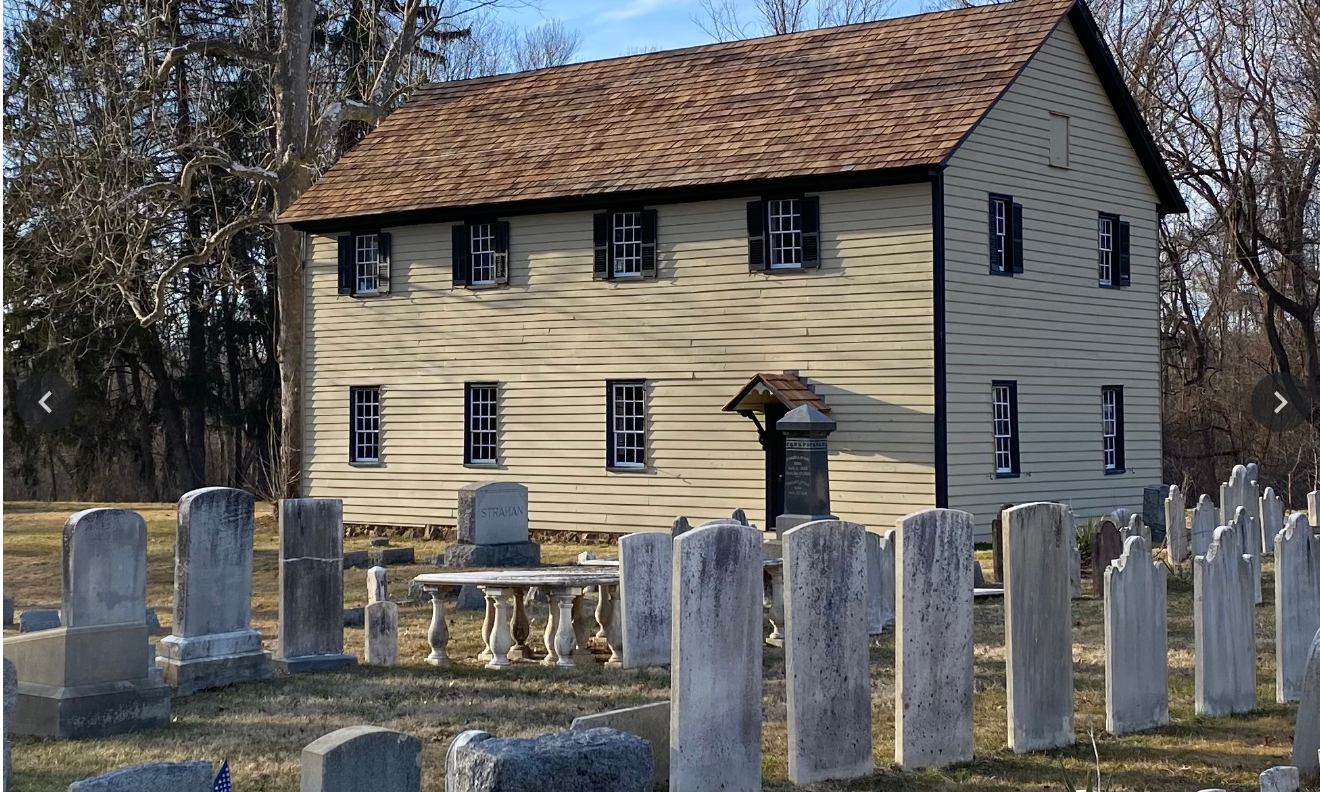
William’s father Joseph T Taylor (1720-1766) was born and died in Freehold, Monmouth county New Jersey. He is buried at the Old Yellow Meeting House Cemetery, at Cream Ridge in Monmouth County New Jersey. The land for this cemetery and Meeting House was donated in 1720 by Thomas and Rachel Stalters, the great-great grandparents of President Abraham Lincoln. He married fellow Quaker and Monmouth County native Elizabeth Ashton in 1743 and she gave him 13 children. Like many of his descendants, Joseph died young, at just 46 years old, leaving his wife to raise his children alone, their youngest just six years old. Elizabeth was said to have had several marriage offers after his death, all of which she refused.
Joseph’s father was Edward Taylor II, born in Middletown, Monmouth New Jersey in 1678. Edward was eldest son of the emigrant, Edward Taylor, who settled at Colt’s Neck, in Freehold. He married Catherine Morford. They had eleven children: Edward, Joseph, George, John, Thomas, James, Hannah, Susan, Esther, Catharine, and Rebecca. From the Genealogy of Judge John Taylor and his descendants– “Edward, by his will, gave to his eldest son a silver mug brought by his father from England, which was said to have been a complimentary award for some special service. It was reported that the mug had been melted down and a modern cup made of it, but we have been informed that the mug is safe in the possession of “Edward Taylor of Upper Freehold, the sixth Edward from and including the Emigrant. His father, Doctor E. Taylor, was an eminent quaker of Upper Freehold, and superintendent of the Friends Asylum, near Frankford, Pa., from 1823 to 1832, when his wife died.” Edward Taylor also died young, at 55 years of age in June 1734, just eleven years after his youngest child was born.
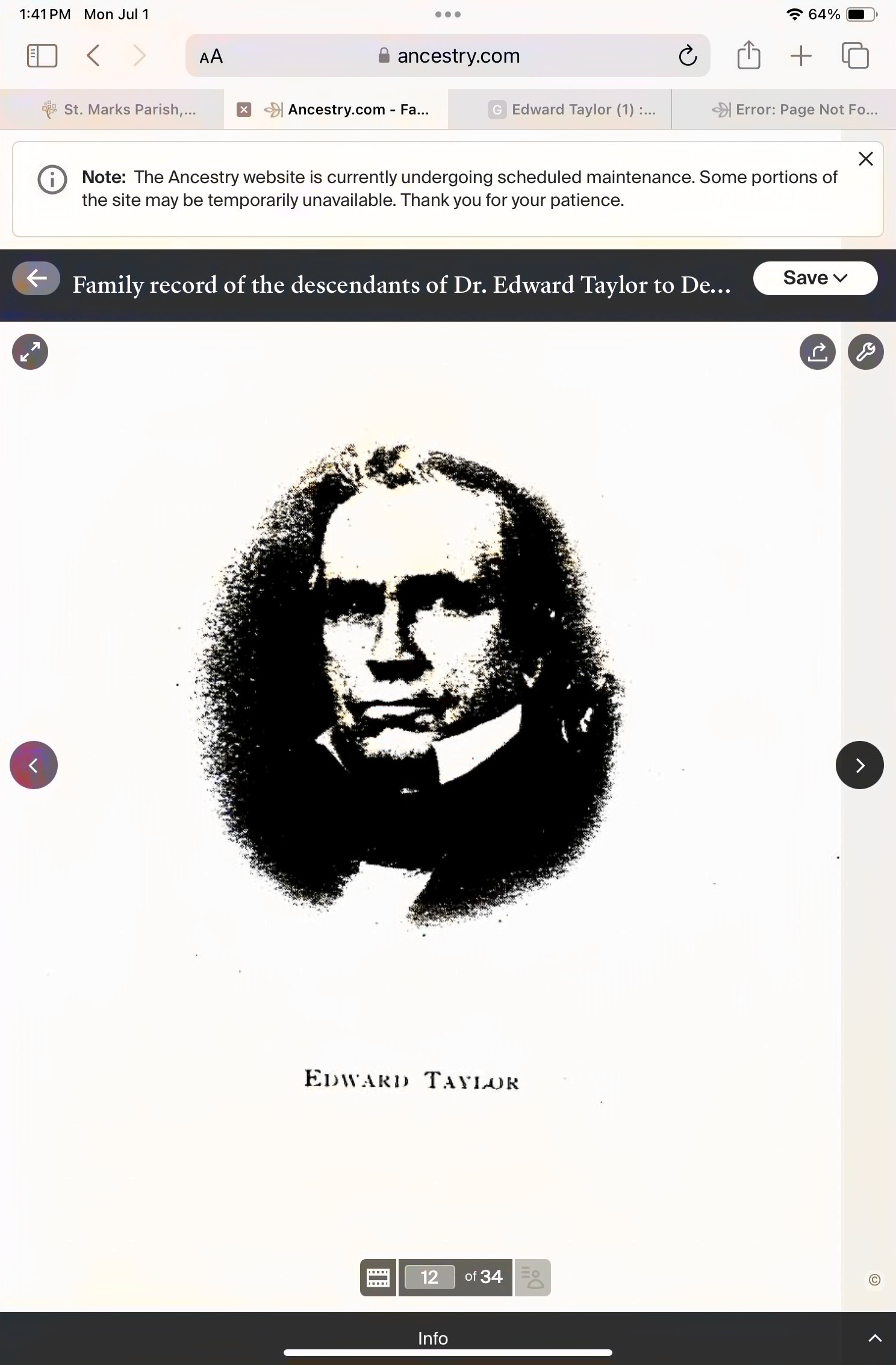
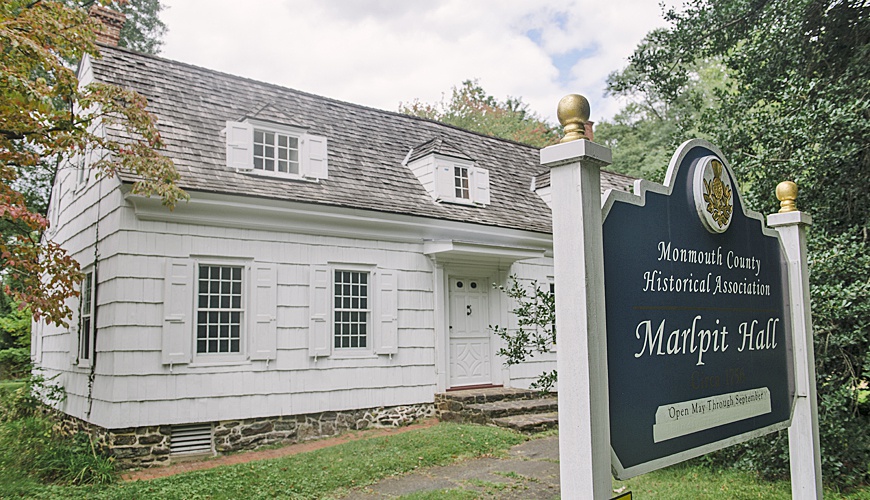
Edward Taylor I was born in Shadoxhurst, Kent England (Near Romney Marsh) in November of 1649 and arrived in West New Jersey in 1664. He married Catherine De Carteret in 1677 and they had seven children. He acquired hundreds of acres of land which were handed down to his children and so the family was considered wealthy and educated, but his parentage is uncertain. What we do know is he was a doctor and he was a Quaker, as were his sons and their sons, and on for multiple generations. Edward Taylor the First died in Middletown, Monmouth, New Jersey 28 Feb 1710. The homestead in Middletown remained in the family into the 20th century. A house built in 1756 by a descendent also named Edward Taylor is called “Marlpit Hall” and was slated for demolition in 1919 for a road project but it was restored and saved and donated to the Monmouth County Historical Association in 1936 and is open for tours weekends May through September. It’s been featured on Ghosts on the Coast, a New Jersey television show that explored haunted locations in New Jersey. The Edward Taylor who lived in this house was a loyalist during the Revolutionary War and was held under house arrest for that position and the family lost much of its wealth after the war.