One hundred and forty five years ago on July 11, 1880 my 3x great grandmother, Deborah Cramer Holden died. She was the mother of William Holden who was the father of my great grandmother Ina Holden Starr. The anniversary sparked a deep dive into the history of her family.
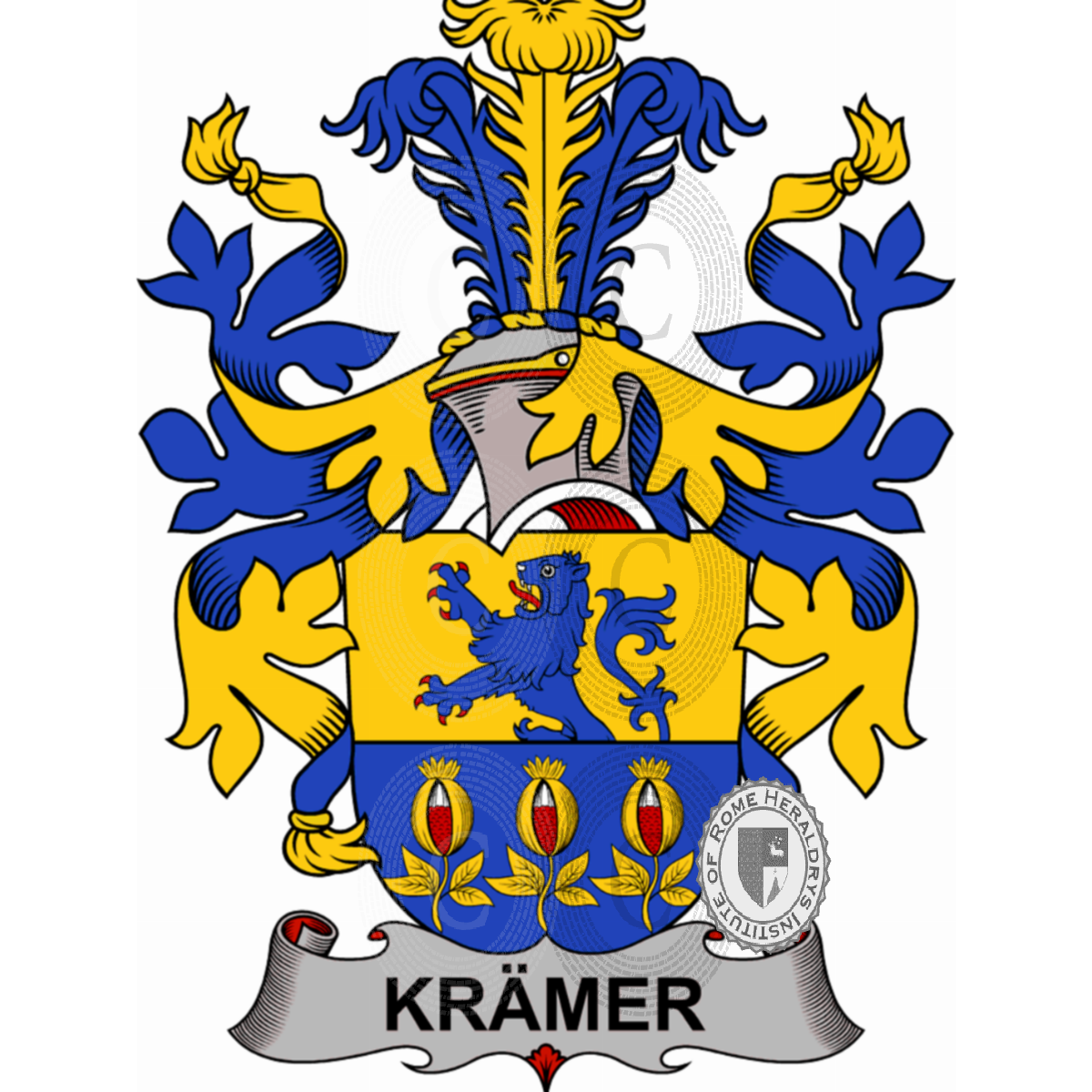
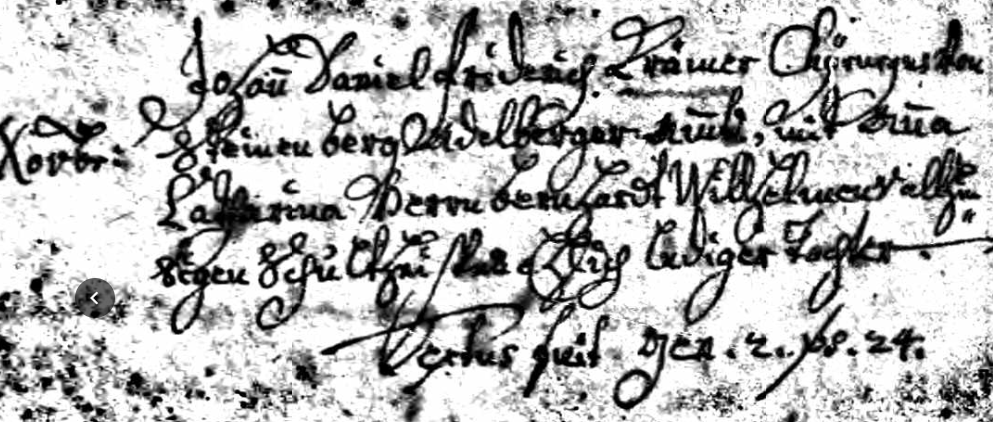
The first Cramer to come to America was Johann Daniel Friedrich Krämer who brought his family to New York about 1750 via Philadelphia. Johann was born 7 September 1694, baptized in the Lutheran Church at Menzingen, Preußen, Baden. His parents were H Johann Georg and Maria Krämer.
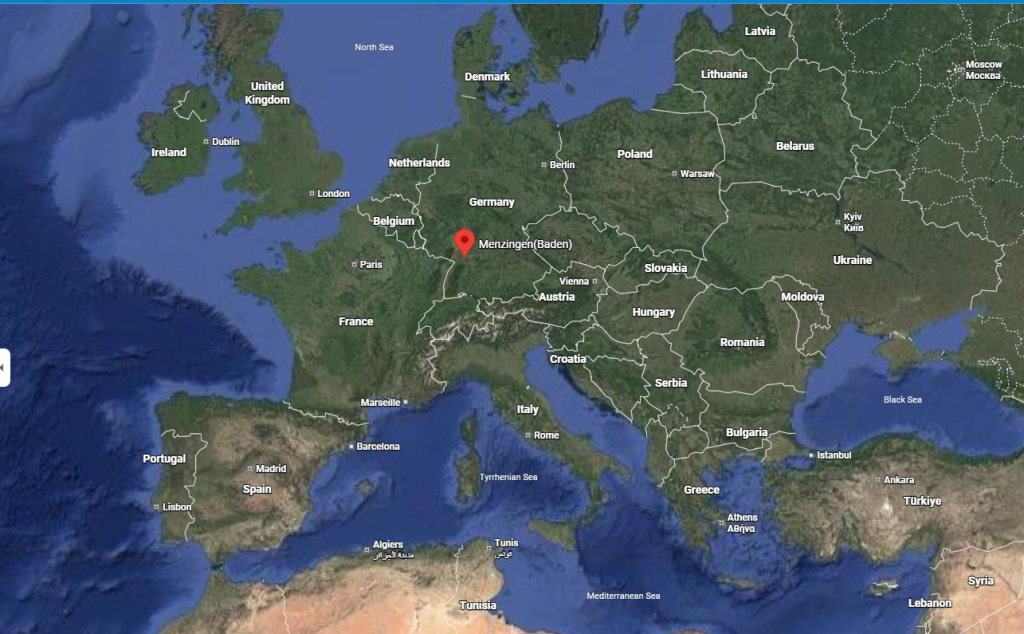
Menzingen is on the right bank of the Upper Rhine. In 1690 it would have been primarily agricultural and impacted greatly by the Nine Years’ War between France and the Grand Alliance which pushed France back as it tried to take land along the Rhine. Johann married Anna Catharina Willhelmer on 20 November 1731 in Waiblingen, a village near Stuttgart in Baden-Württemberg.
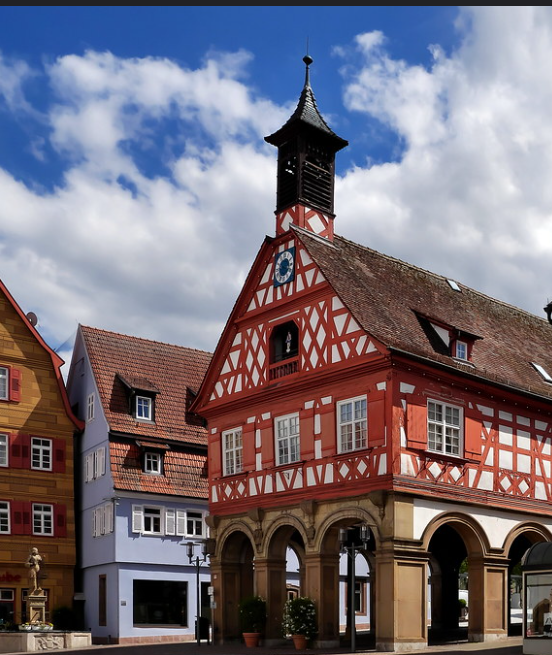
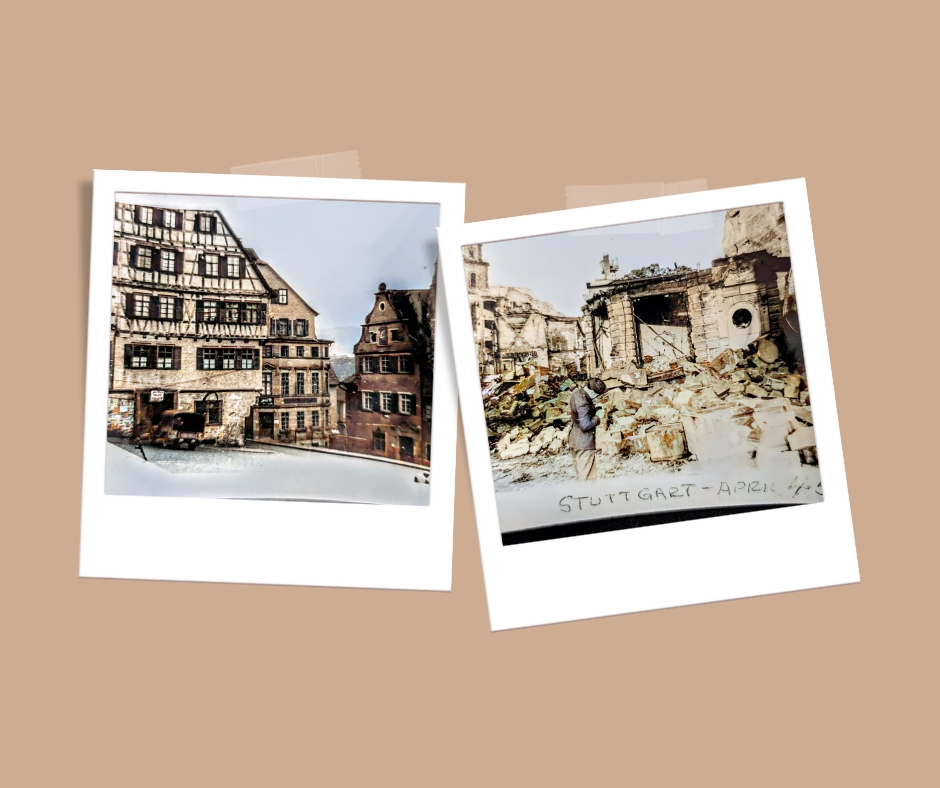
My grandpa Starr served in the US Army in this area toward the end of WW2 and took several pictures of structures similar to that of the Old Town Hall in Waiblingen in nearby Stuttgart in 1945.
Frederick Krämer was born in Rommelshausen, Cannstatt, Württemberg, Germany in 1732. At that time Cannstatt was a village in the Duchy of Württemberg, a state within the holy Roman Empire since the time of Charlemagne. I’m unable to find any information on the professions of Johann or Frederick, but the surname Kramer is indicative of merchant, shopkeeper, peddler or trader. “kram” means trading post, tent or booth” . The Kraemers in Bavaria were primarily weavers though, and farmed flax for linen weaving, so later generations may have had any trade.
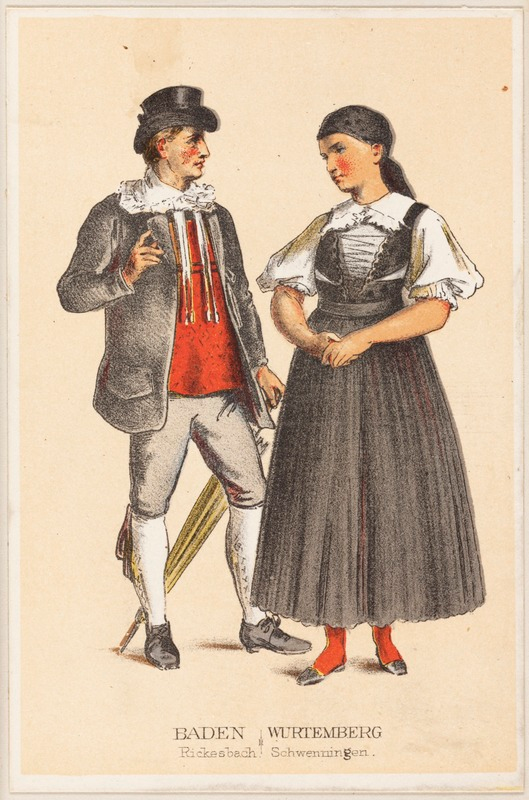
Why the family decided to come to America in 1750 is unclear. Württemberg, where the family had been for over a hundred years, was still a state within the Holy Roman Empire, ruled by Charles Christian Erdmann, Duke of Württemberg-Oels and the duchy had evaded being pulled into the various wars of its neighbors. Karl Erdmann was one of the founders of the Order of Saint Joachim, which promoted religious tolerance.
Johann’s wife Anna died in 1741 and he remarried the following year to Sophia Pfeil and the couple had a son, Daniel in 1743 and a daughter, Sophia Margaretha in 1744. He took his new family to New York just a few years later in 1750. He died in New York City in September of 1752, 5 months after the birth of his 3rd child with Sophia, Johannes. Sophia married Dr. Teutschbein in 1760. The couple raised her children in NYC until the doctor’s death in 1767.
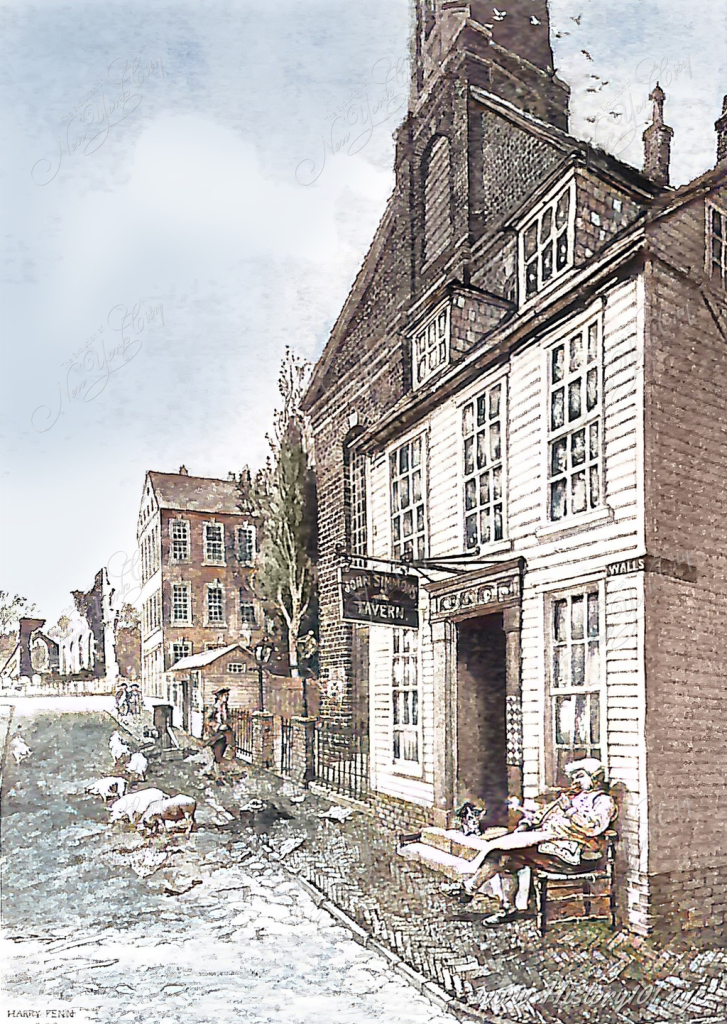
Johanne’s sons Wilhelm and Frederick came to America in 1768. Frederick is my 6x great grandfather. Rather than go to the city as their father did, they chose to join other German immigrants in rural Monroe County, New York.
Frederick married Angeline/Engelje Löscher / Lasher around 1765 in Germantown, New York according to the Dutch Reformed Church records. In 1765, Germantown, New York, was known as East Camp and was primarily settled by Palatinate German refugees. The area was part of a larger settlement scheme initiated in the early 18th century to resettle Palatinate refugees in the Hudson Valley. French invasion, extraordinarily cold winters in 1708 and 1709, famine, religious persecution caused many in the Palatinate region to seek a new home in the early 1700s. They went to London first, by some counts over 8 thousand, overwhelming the city, living in the streets, begging for food. Some 500 were sent to Ireland, more were sent to the Carolinas. But then a group from New York came to London headed by Mayor Peter Schuyler, of Albany. They brought with them four Mohawk chiefs, they wanted to show the Queen to these leaders of the new colony, hoping they’d be impressed with the greatness of England. These chiefs, while sightseeing, in London, were taken to see the encampment of the Palatines. “They were so touched,” says Weiser, “at the distress of the Palatines that one of them, unsolicited, presented the queen with a tract of his land in Schoharie, New York, for their benefit.
Many died on the ships from London, and when they reached New York they were confined to the harbor until typhus had run its course. Then they were sent up the Hudson to Livingston Manor.
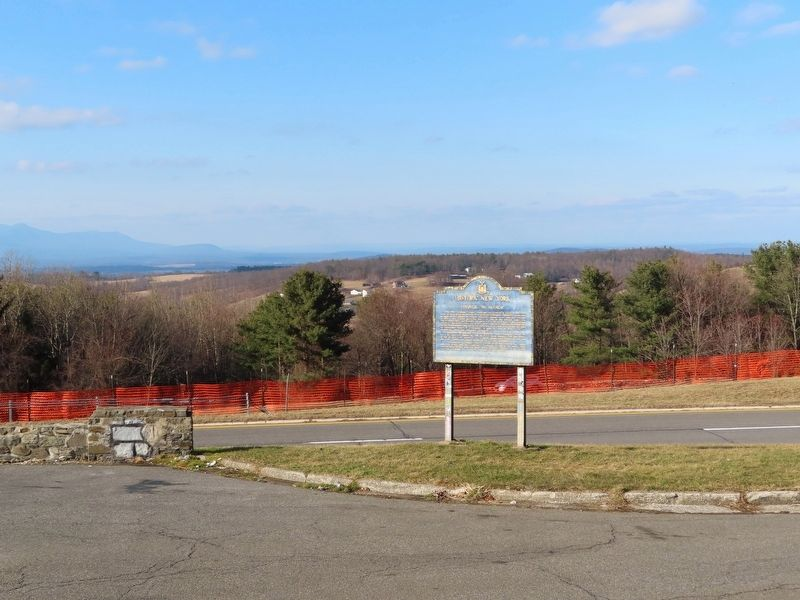
They had to work for a time to pay off their passage, eventually the land they had been promised came to them, though there was much back and forth with the governing parties. By 1765, the community had established a church and parsonage, and residents were actively involved in local affairs, including the early resistance against the Stamp Act. It was renamed Germantown in 1775.
Angeline’s father, Johan George Löscher (changed to Lasher in America), our 7x great grandfather, was born in Hochspeyer, Landkreis Kaiserslautern, Rheinland-Pfalz, Germany in 1697 and was one of the original Palatinate refugees along with his parents Sebastian and Maria Elizabeth Löscher (8x ggrandparents) who came to America in 1710 on the “Midford”, first living in “west Camp” and then settled in “East Camp” when lands were given to him. From this point on the Lasher became farmers, living at “Livingston Manor”, Albany County New York, now known as Germantown. Johann Sebastian Löscher was of Swiss Heritage and there is a book about him written by John William Lasher. In Germantown today there is a park called Ernest R. Lasher Jr. Memorial Park, named for a Lasher family member who was killed in action in Vietnam and was given a purple heart.
Frederick’s brother Wilhelm also married a Lasher, Catherina Lasher a distant cousin of Angeline’s. They had 5 surviving children, all girls.
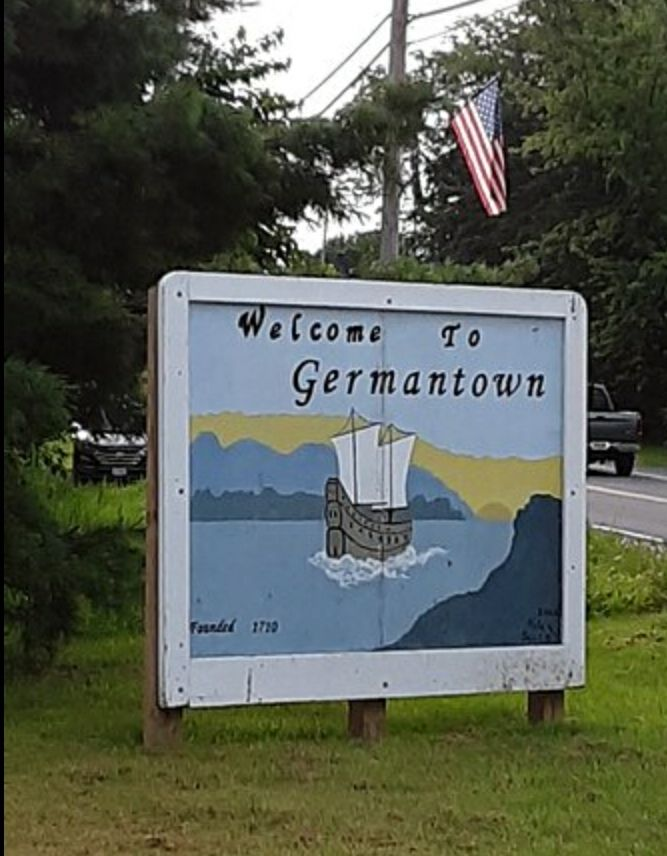
Frederick and Angeline had eight children, including my 5x great grandfather Bernhardt “Barney” Cramer who was born in 1773 in Germantown. He married Anna Vredenburgh at Saint Peter the Apostle Lutheran Church in Rhinebeck, NY, a town just twenty minutes south of Germantown. They had seven children, moving to Clermount, then Schenectady and finally settling in Glenville, NY. He started a hotel and later added a line of merchandise. He eventually traded his hotel and store for farm property and retired to the home of his eldest son, Frederick, where he died in 1847 at the age of 74.
Barney and Anna’s third son, Jeremiah Frederick Cramer, my 4x great grandfather, was born in 1803 in Rhinebeck. In 1827 at the age of 24 he married Julia Ann Shoemaker in Manorton, NY. They had seven children, their first born was Deborah S Cramer, my 3x great grandmother. Jeremiah worked as a farm laborer in and around Glenville, NY which is where he died in 1885 at the age of 82.
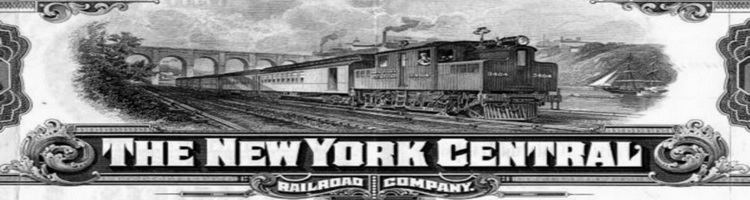
Deborah met and married Charles Conde Holden in Glenville, New York in 1846 at just seventeen years old. Charles was an Innkeeper in Glenville in the 1850 census. By 1858 when she gave birth to my 2x great grandfather William Holden, they had moved some 340 miles east to Ridgeway, New York near Niagra on the Lake and Lake Ontario and Charles lists “carman” as his profession, likely maintaining railcars.
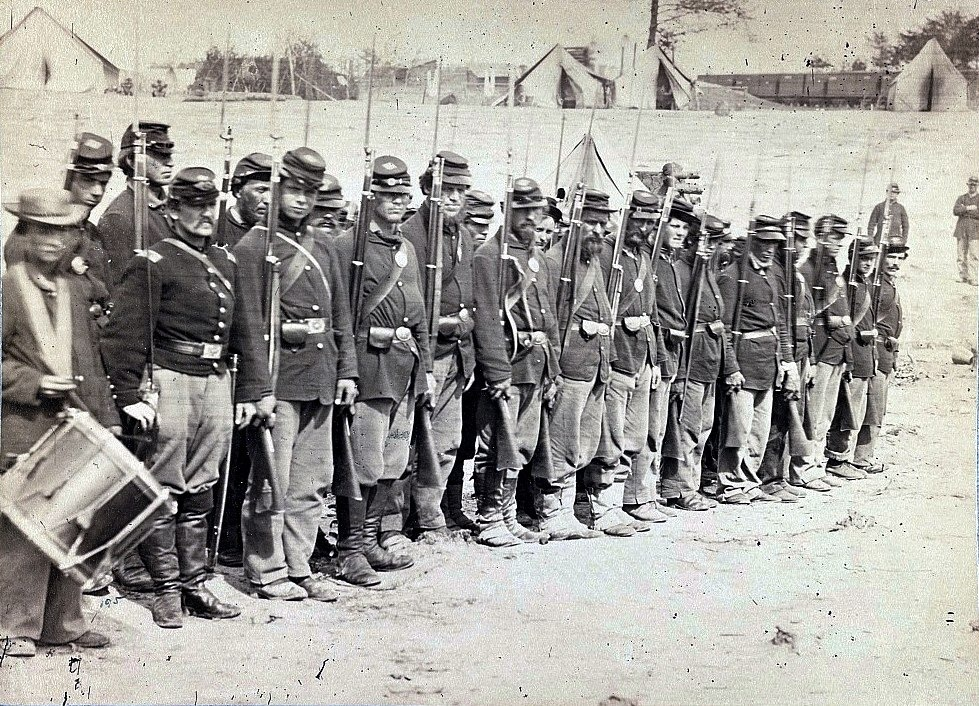
Charles enlisted for the Civil War in September of 1864 and served until June 1865. The family moved to Clark Couny, Illinois in 1866, living in Oswego in 1870 where Charles farmed. In 1880 he moved on to Washington township, Iowa to another farm. It’s there that Deborah died in 1885. Charles died in 1906 at the age of 86 in the care of his daughter Mary Teller. He outlived his son, William who died in 1900.
William Holden went to York Nebraska sometime before the age of 22 in 1880. He worked as a druggists clerk, living alone in a boarding house in the frontier town. There, in 1888 , at the age of 29, he married fourteen year old Grace Webster, my 2x great grandmother. My great grandmother Ina was his youngest daughter, born in 1893 in York Nebraska. William died at just 42 years old in New Virginia, Iowa, not far from where his sister and father lived in Washington township. Ina married Ernie Starr in 1914.