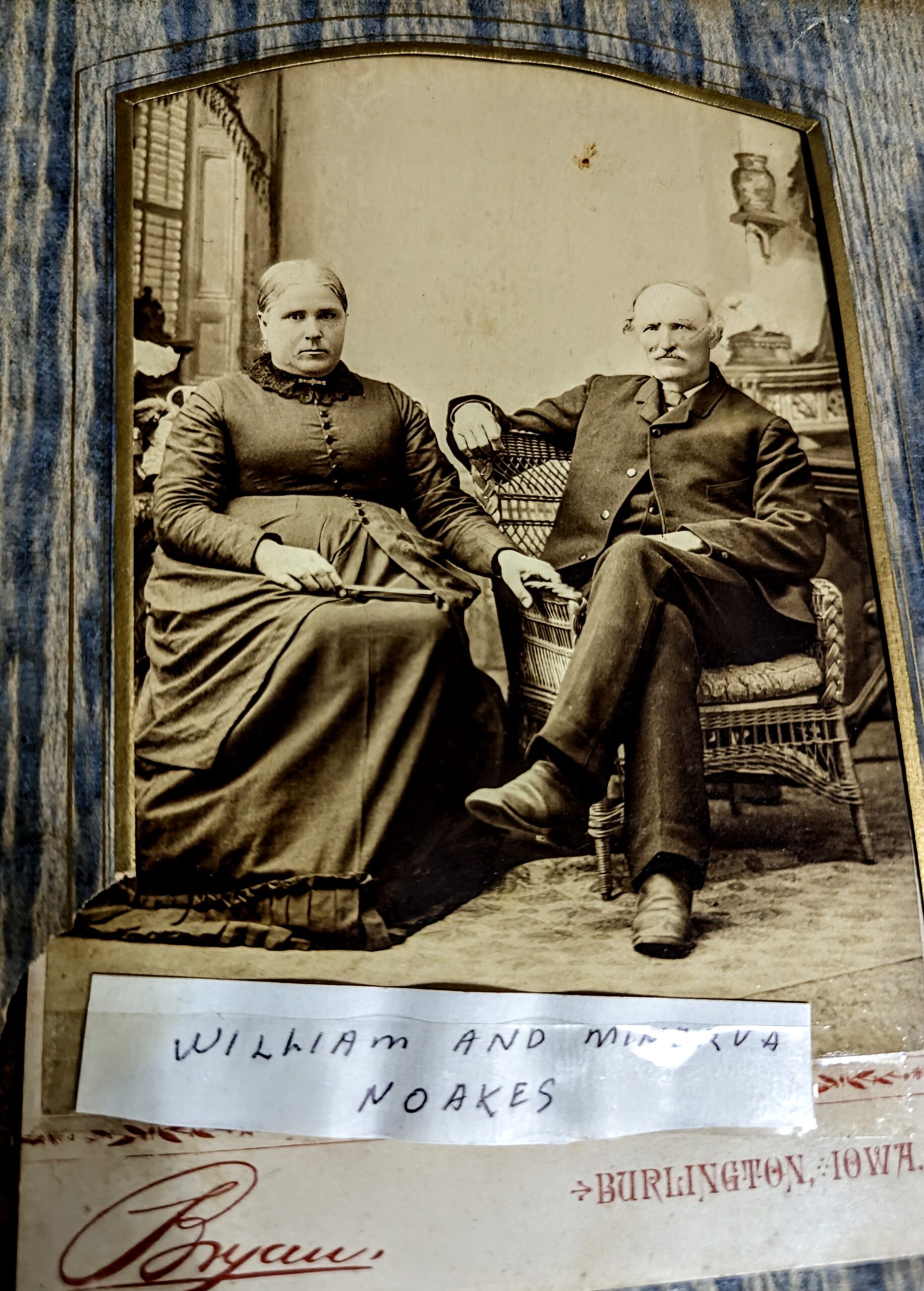
July 24, 1825 is the birthday of my 3x great grandfather, William Noakes. William was the father of Almeda Noakes who married my 2x great grandfather Emory Starr in 1892 in Warren County, Illinois. July 25th is the date in 1789 when his granduncles Ben and William Noakes were killed and grand aunt Elizabeth Noakes shot by an indigenous war party in Crab Orchard, Kentucky. But let’s start with William-
William was born in Crab Orchard, Lincoln County, Kentucky in 1825, the youngest son of George H Noakes Jr. There’s some question as to who William’s mother was. George married Nancy McGuire in Crab Orchard in 1789. Nancy was born in 1766 and would have been 59 when William was born if the birthdates are correct. I have DNA matches through 9 of William’s siblings that all indicate they’re full siblings though.
William married fourteen year old Betty Woods in Crab Orchard, Kentucky in 1846 when he was 21. They had four sons in Kentucky before moving west to Warren County, Illinois. Near Kirkwood, Illinois they had three girls before Betty died in 1864. William farmed in Warren County and nearby Henderson County.
William remarried to Minerva Wilcox Rezner 5 months after Betty was buried. She gave him 2 more sons and 6 daughters, including my great great grandmother Almeda.
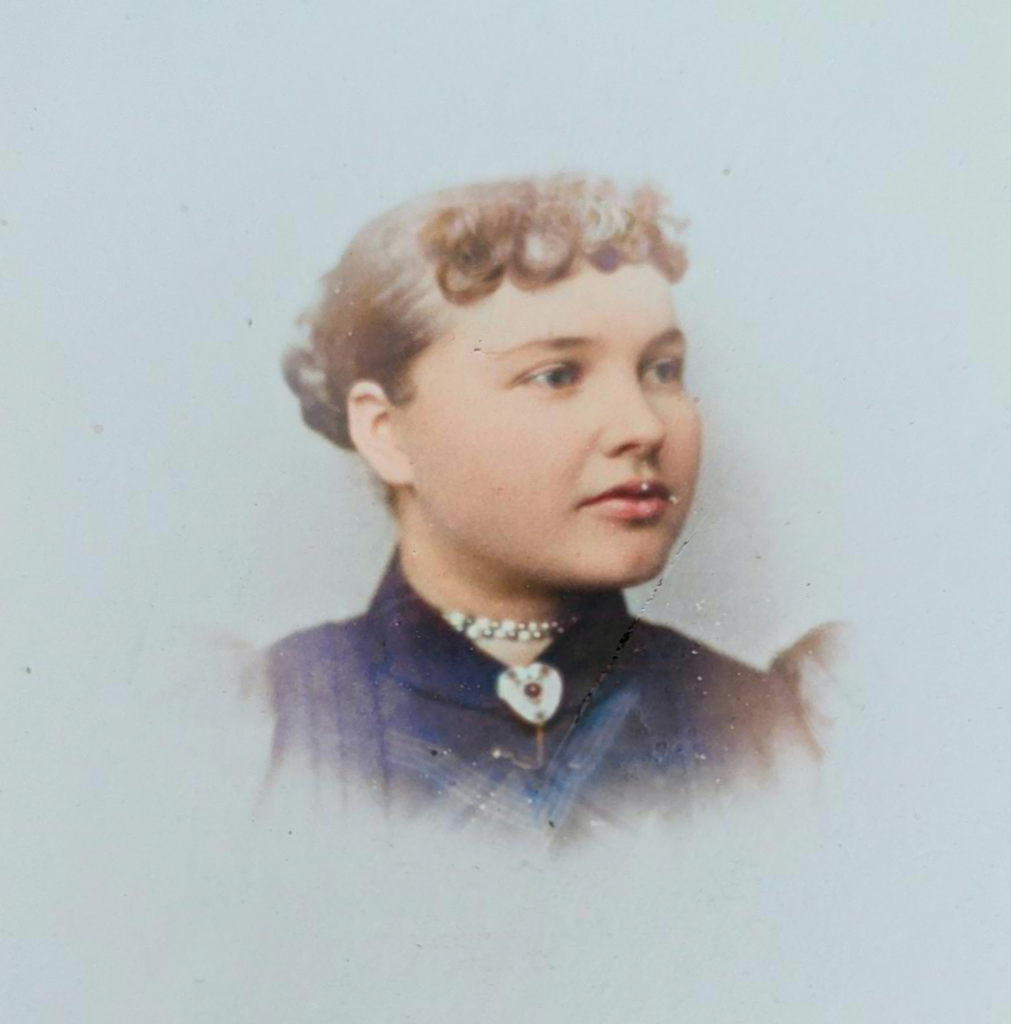
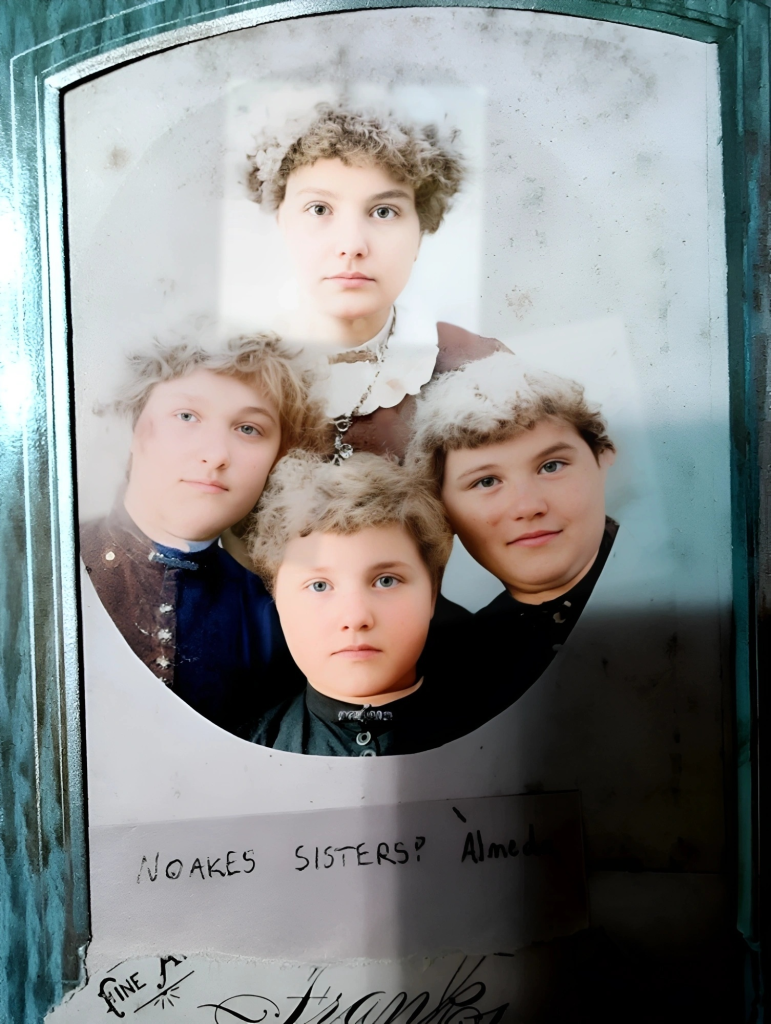
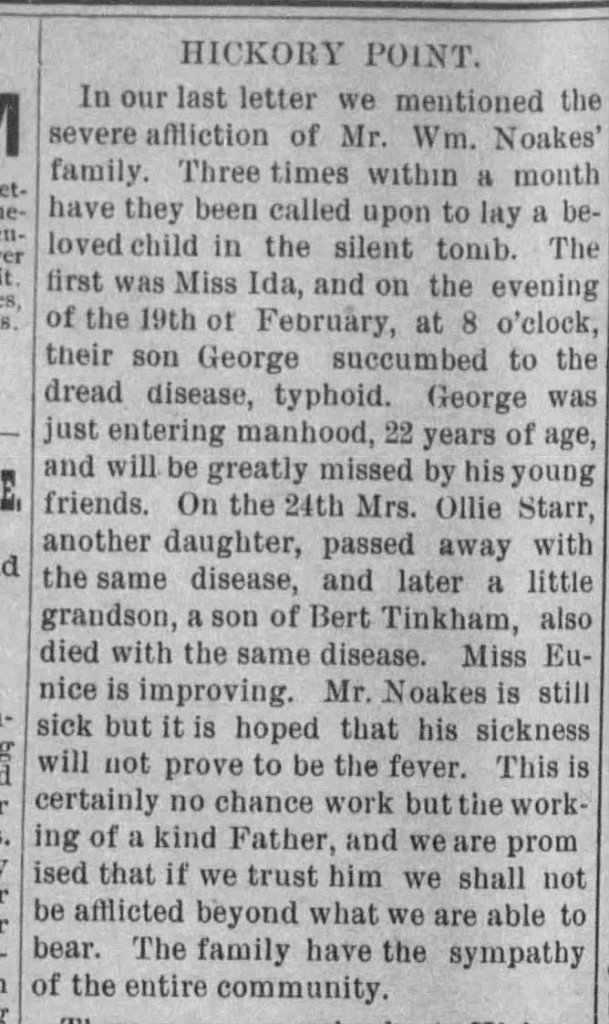
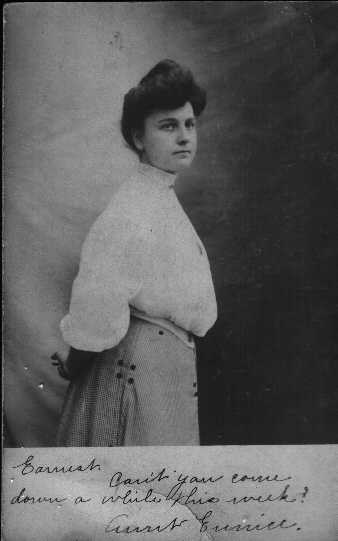
In January of 1896 typhoid fever came to the Noakes home in Kirkwood. When William’s 20 year old daughter Ida contracted typhus her sister Almeda, newly wed with a small child at home, came to care for her. Ida died on 24 January and Almeda became infected and she and her brother George both died on the 25th of February 1865. A newspaper clipping notes that 70 year old William and his youngest child, 18 year old Eunice, are also infected. About a week later, on the 3rd of March, William Noakes died of typhus. Eunice did survive, eventually marrying Charles Billings in 1917 (grandson of my 4th great grandfather Amos Billings).
In America the family generally spelled their last name Noakes. The family came from Ticehurst, Sussex, England, going all the way back to the 16th century. In 1505 it was spelled Anoke. John Anoke, my 13x great grandfather was born in 1505 in Burwash, Sussex just 4 miles south of Ticehurst. His son Thomas came in 1571 to Ticehurst and there’s 3 generations of Thomas Anokes, sometimes spelt Knox or Nokes in 1543, 1571 and 1629 all in Ticehurst.
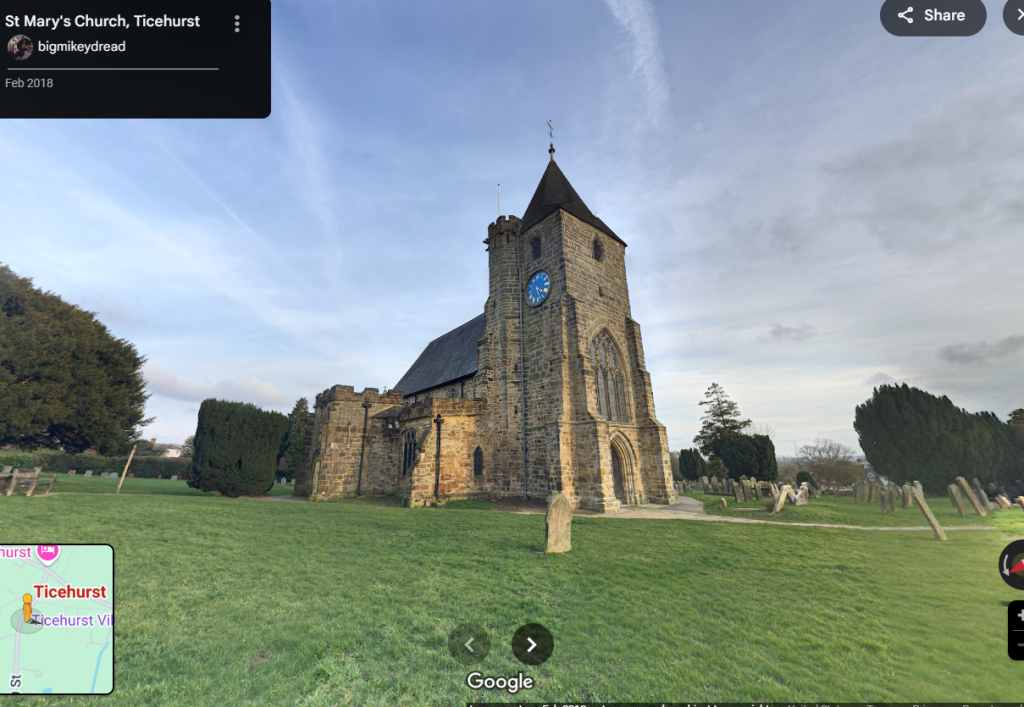
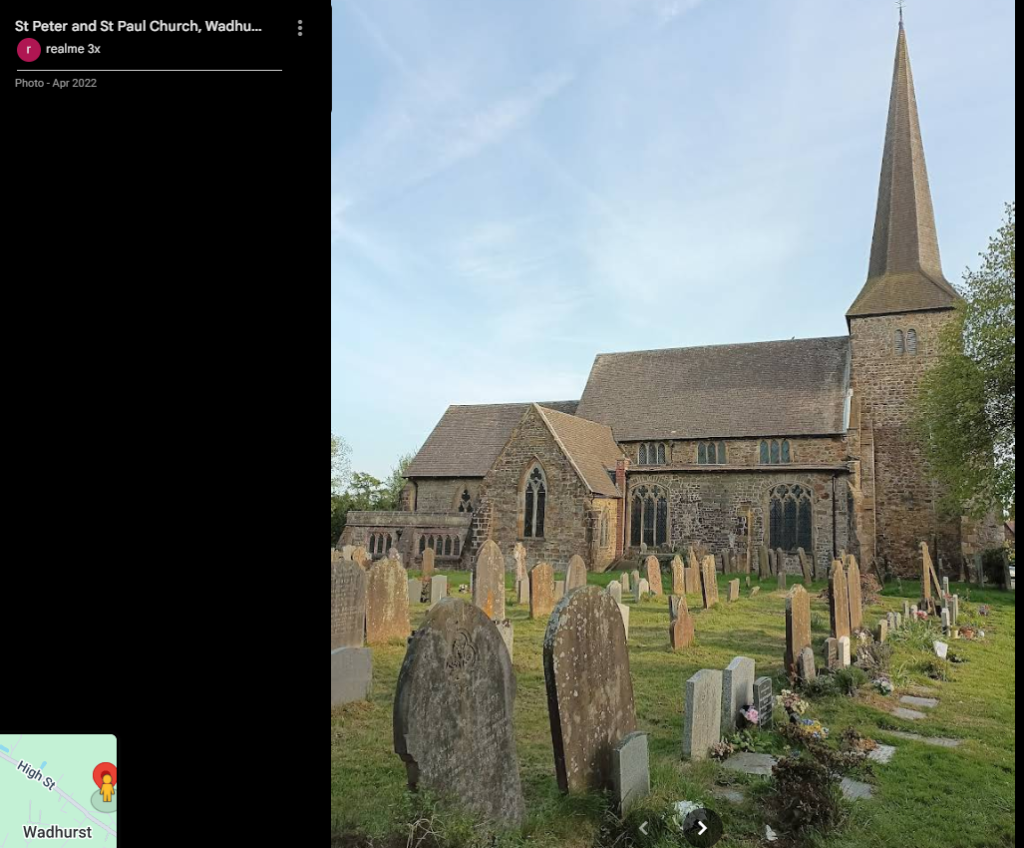
George Nokes was a manufacturer in London born about 1680 in Ticehurst, Sussex England. He married Elizabeth in 1692 in Warbleton, 11 miles south of Burwash. In the summer of 1703 his son Thomas Nokes was born in Rotherhithe, a district of South London on the south bank of the Thames. That year there was a level 2 hurricane that hit London in November, listed in history books as the “Great Storm of 1703”. The lead roof was blown off Westminster Abbey, forcing Queen Anne to shelter in a cellar. On the Thames 700 ships were thrown together in a heap in the Pool of London. More than 5 thousand homes in London were destroyed, some 2 thousand chimney stacks blown down and 4 thousand Oak trees were lost in the New Forest. George built a successful business, but died at the age of only 41 and was buried in Wadhurst in East Sussex.
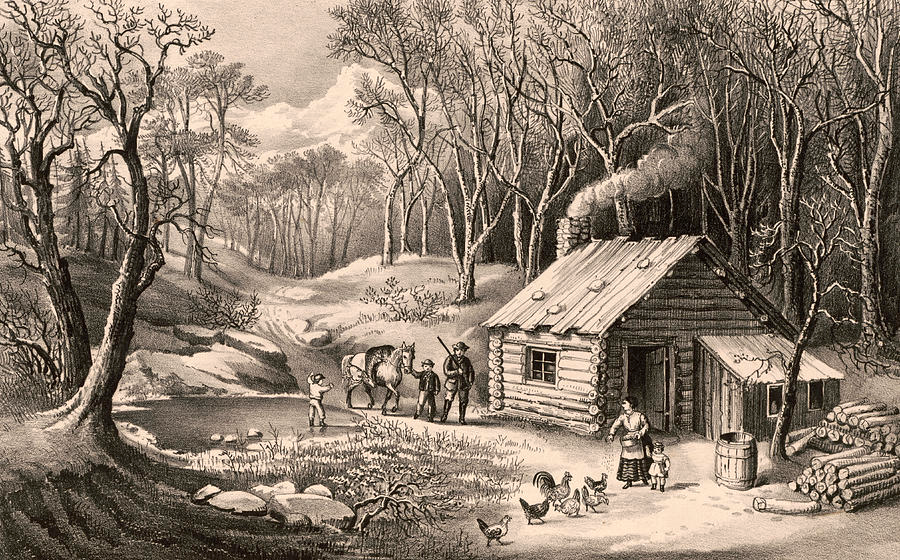
His son Thomas Noakes also died young, at the age of only 33 but first he came to Virginia. His wife, Elizabeth, surname unknown, and he had one son, George H Noakes in 1736 and both died that same year. It’s unclear who raised their son George, my 5x great grandfather. He is next found in Maryland where at the age of 19 he married Dianna Ditto at St. John’s Parish in Baltimore City on Christmas Day. Three years later, George and Diana were living in Orange County, North Carolina. In 1777 Orange County was divided and part of it became Caswell County. George and Diana resided in that county, for some years and several of his children were born there. At this time Daniel Boone was exploring the area and the Wilderness Road. In the spring of 1781, they moved from North Carolina to Lincoln County Kentucky. Noaks Station was located about four miles Southeast of Crab Orchard, Kentucky on the headwaters of Turkey Creek and Brushy Creek. It was a grouping of cabins meant to protect the settlers from attack from the indigenous tribes.
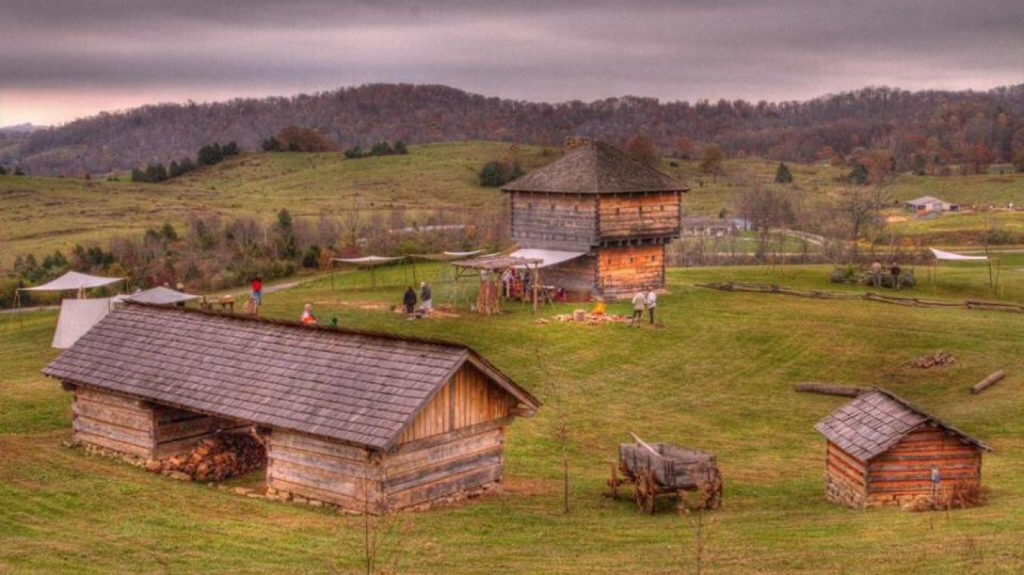
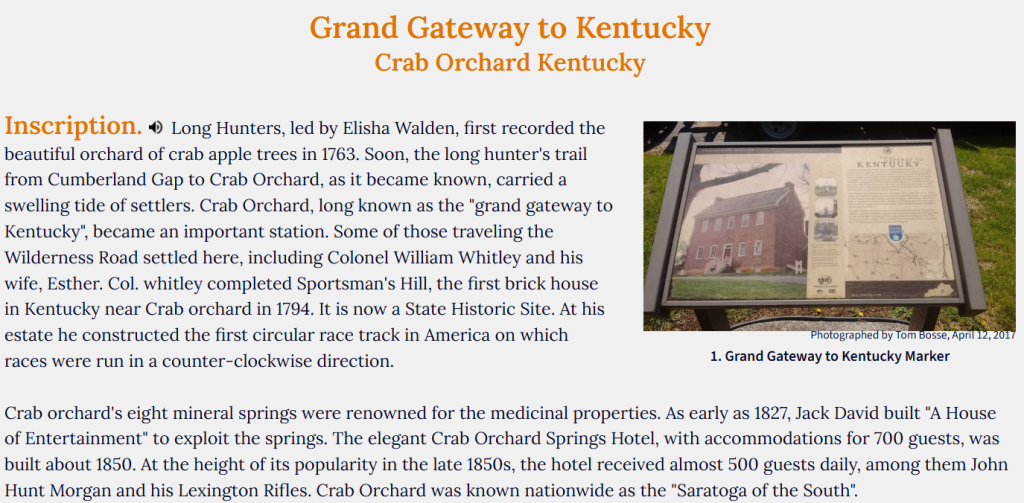
Col William Whitley, one of the leaders in Kentucky from as early as 1775 built a station on the wilderness road near Crab Orchard. Quoted in Kentucky State Historical Society Register Vol. 36, page 198, he reports: “January 1st 1785 It was that a party of Indians came in near to the Crab Orchard & caught a son of Old Man Nokes, this the first time I had ever wore the commission of Capt., I raised a party and pursued them, about 15 Indians in number, part Shawnee & part Cherokee, They were in camp in a rock house but “kep one spie back” which discovered us & from the clifts of the water courses we could not get there without going about half mile, and being afoot & the country so rough we only took one prisoner by name “Big Jim of Chota or Cherokee”. I left him with some of the men & pursued others. They brought him to the Orchard & had killed him before I returned he was killed by Michael Farris a cowardly fellow who never should go on an expedition of any kind.
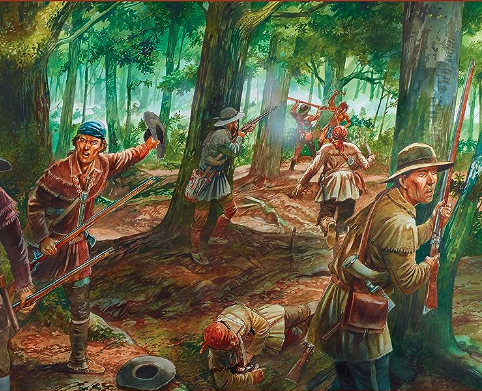
Whitley further states that George Sr. was a farmer but also practiced the trade of a Cooper (a maker of wooden barrels). All of his life he was engaged in the cooper business, a trade that has been passed on to several later generations of the Nokes family.
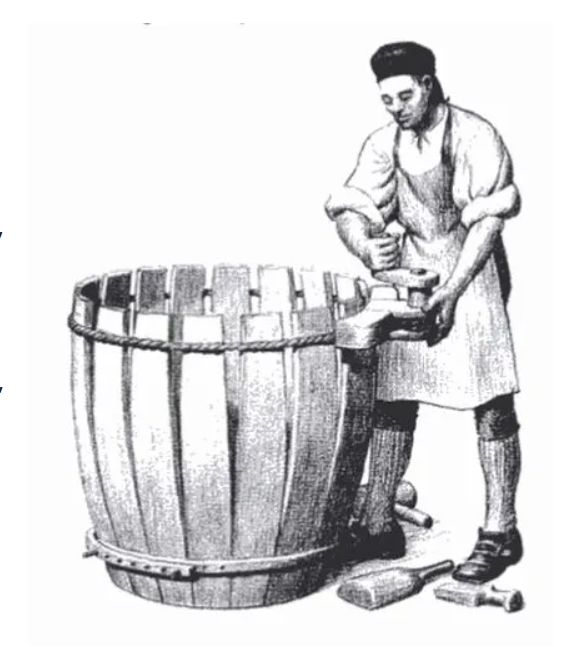
Liberty Noakes was just the first of the family killed in such an attack. The warring between the indigenous people and the white settlers raged for decades. Another reference to the war between the settlers and the warring indigenous tribes that mentions George Noakes is from THE FRONTIERSMEN by Allan W. Eckert pg 297/298
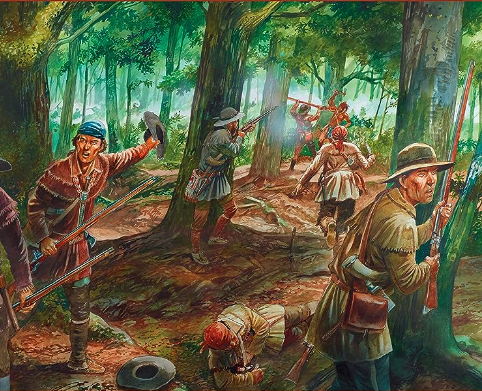
“Although the Kentuckians had not shown any great interest in joining George Rogers Clark’s expedition to march against the far-distance Wabash River Indian Tribes, it was a different story where General Logan’s campaign was concerned. The Shawnees remained the especial enemies of these settlers and volunteers had flocked to answer Logan’s summons. The rendezvous was to be at Limestone within two weeks and never before had such a mass of people gathered here. . .
The march has gone well until, on the evening of October 4, a gawky serious young newcomer to Kentucky named Willis Chadley decided that it was wrong for them to march against defenseless Indians. He confided to a friend that he was going to desert and go to the Mackachack towns to warn the Shawnees there of the army’s approach. Within an hour of his riding off, word of his desertion spread through camp and General Logan summoned Simon (Kenton), George Nokes and Hugh Ross. They were, he directed, to follow Chadley’s trail and bring him back. If nothing else, they were given leave to kill him before he could get to the Shawnees. Logan, in the meanwhile, would lead the army on a force march so that even if Chadley were successful in giving his warning, the army would be upon them before they had time to prepare. . . .
But the scouts had a difficult time following the deserter’s trail at night, and they didn’t catch up with him until two hours after dawn on October 6. It was too late. Seething with frustration, they watched from cover as the deserter boldly entered the Machachack, holding aloft a white kerchief.
Several Shawnees had rushed out menacingly and he appeared to have difficult making himself understood. A few more men came out and one took his arm and pulled him not too gently off his horse. This one, it seemed, could speak English and they talked for several minutes. At a surreptitious signal from the warrior questioning the white man, one of the other warriors moved behind him and abruptly slammed his tomahawk into the deserter’s skull, killing him instantly.
Simon and his two companions withdrew and hastened back toward Logan.” The army under Logan was led by Colonel Daniel Boone and Major Simon Kenton.
4 years after their son Liberty was killed, on July 25th 1789, their sons Benjamin and William were killed and daughter Elizabeth was was shot in the arm and crippled for life.
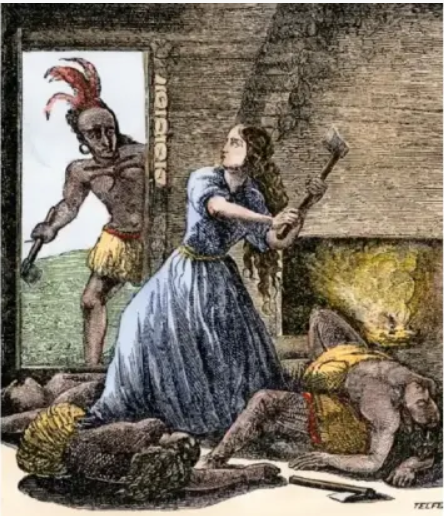
“Benjamin Shelby killed near Noxken Creek about 6 miles from My Old Station. Mrs. Ward killed in Copper Creek about 6 miles from my Old Station, Benjamin Nokes was killed, One child killed & Elizabeth Nokes wounded. Indians not defeated. July 25, 1789.”
When George Sr and Diane Ditto died is unclear. According to FindaGrave Diane is living Aug.5,1803 when she and her husband witnessed the marriage bond of granddaughter Agnes Noakes who married James Chance. Possibly still living 1810, when her husband seems to be in the census for then newly formed Rockcastle Co., KY (they may not have moved, the borders did). They’re likely buried in a family graveyard near what is now Turkey Creek, KY.
George Jr, my 4x great grandfather was born in 1766. He migrated with his parents at the age of 14 from North Carolina to Crab Orchard and was 23 when his siblings were killed. He married Nancy McGuire the month after the slayings in 1789. According to one family record, George Noakes Jr. was a Quaker, was particular in his dress and manner, wore his hair in a queue and wore knee breeches and silk hose, and shoes with silver buckles long after men’s fashions had changed. (Richard A. Briggs, West Point, Kentucky).
George Noaks, in the year 1834, applied for a pension based on his Revolutionary War service. his deposition read as follows:
George Noaks- Pension application Number R7679 Kentucky Declaration in order to obtain benefit of the act of Congress passed June 7th, 1832
State of Kentucky Lincoln County
On the 28th day of October 1833 personally in open court before the County Court of Lincoln County now setting George Noakes a resident of said county of Lincoln and State of Kentucky, aged sixty seven, who being first duly sworn according to law doth on his oath make the following declaration in order to obtain the benefit of the said act of Congress passed June 7th 1832. That he entered the service of the United States under the following named officers and served as hereinafter stated. He states that he entered the service as a volunteer in the Virginia Militia under the command of Capt. John Snoddy, William Terrill was the Lieutenant and Ben. Logan Col., commanding, in the District in what was called spy service in the month of May 1781, Snoddy and Terrill were officers regularly commissioned by the Govenor of Virginia. He volunteered at Crab Orchard in Lincoln County, then a part of Virginia, on its southern frontier and at all times exposed to the hostile inroads of the Indians – who were in habit of making sudden incursions upon frontier settlements murder the inhabitants, commit barbarous devastations upon their property, and them escaping into inaccessible retreats with scalps and booty. It was the duty of the company of spies to which he belonged to be always on the alert, to watch for the Indians and give notice to the country of their approach, to guard the inhabitants and protect them from the enemy. The place of rendezvous of his company was the Crab Orchard in Lincoln County from which they made constant excursions. He spied upon the Southern Frontier of the State of Virginia (now part of Kentucky) on the waters of Dix River and through that section of the country called The Wilderness, which at that time was an unbroken forest; He continued to act as an Indian Spy till the close of the Revolutionary War, for upwards of two years, and was dismissed in the fall of the year 1783 by his Capt. Jno. Snoddy. He states that he was born in the County of Caswell, in the State of North Carolina, on the 17th day of March, 1776, where he resided till Jan. or Feb. 1781, when his father removed to Lincoln County Kentucky, where he has since resided, with the exception of two years in Mercer County of the same state. That he has a record of his age on his family bible now in his possession. He has no documentary evidence of his service, nor does he know of any individual now living by whom he can prove them. He states that he is known in his present neighborhood to William Findley and Henry Owsley who can testify to his general character for truth and veracity and their belief of his services. He hereby relinquishes every claim whatever to a pension on annuity except the present and that his name is not on the pension rolls of the agency of any state.
Sworn and subscribed the day and year aforesaid: GEORGE NOAKES
George lived in Crab Orchard his entire life, dying there at the age of 68 in 1840 when his youngest son, William was only 15.
I have 78 DNA matches through George H and Diana Ditto Noakes on ancestry.com.