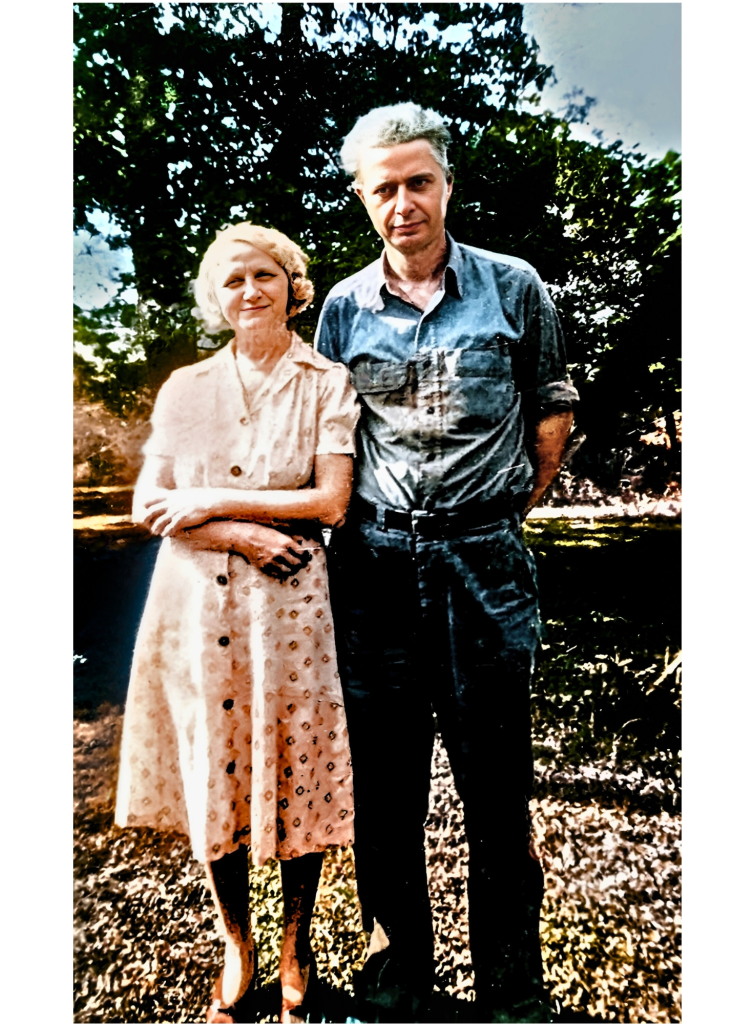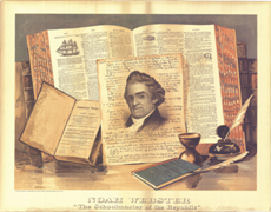
My great grandmother, Ina Holden Starr’s mother was Grace Mabel Webster, born in 1873. I had been told she descended from the same Websters that we all know from the dictionary, Noah Webster, so I wanted to confirm this with my own tree. I traced the Webster line back to my 14x great grandfather, John Webster born in 1460 in Cossington, Leicestershire, smack dab in the center of England.
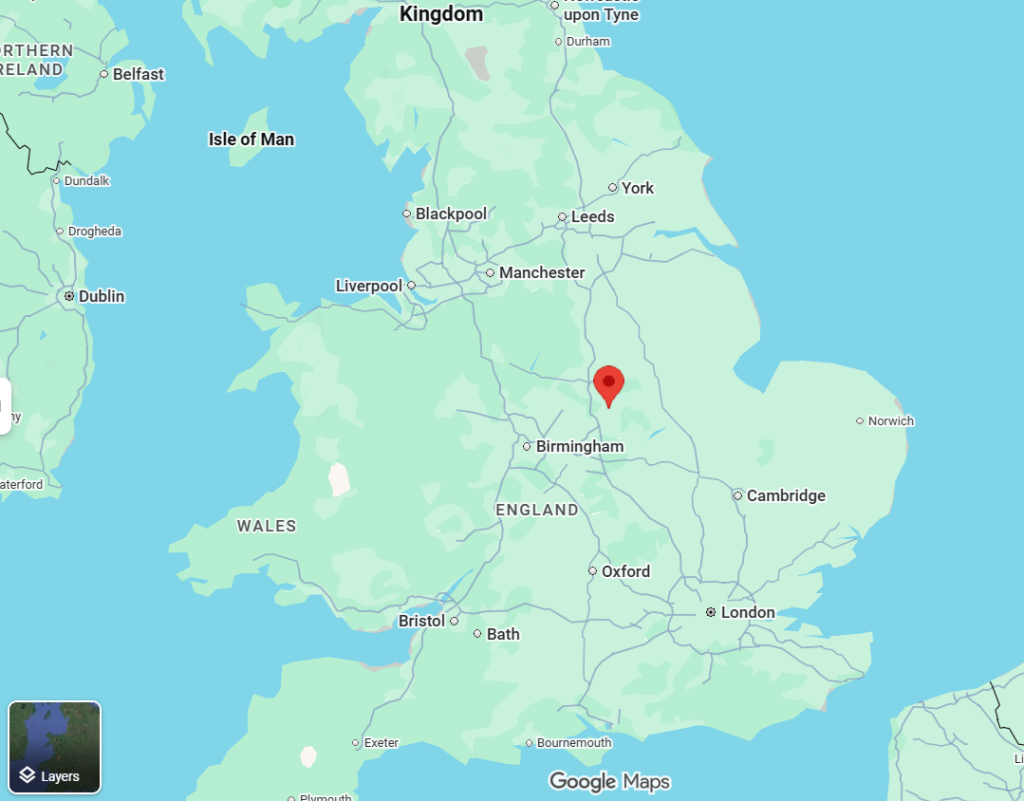
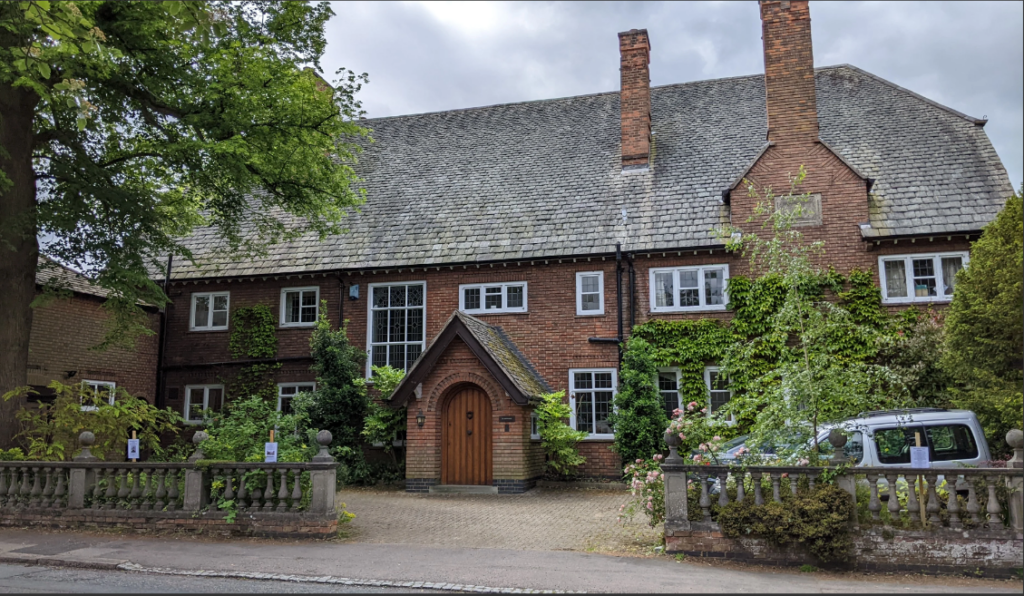
Cossington is a village within the Soar Valley in Leicestershire, England. It is between Sileby, Rothley, Ratcliffe-on-the-Wreake and Syston. The population of the civil parish at the 2011 census was 598. The village’s name means ‘farm/settlement of Cusa/Cosa’.
“The village of Cossington almost certainly has Saxon origins, its name being
derived from the Saxon Chief names Coss or Cussa who established a “tun”
(enclosure) in this location, although there was certainly human activity there
previously. The open space, proximity to woodland, spring water and
availability of animals for hunting would have made it an ideal location for
settlement.
The earliest written record of Cossington can be found in Domesday (1086)
where “Cosintone” is mentioned and the Earl Hugh of Chester held 6
carucates of land here, approximately 600 acres. It is relatively unusual for
such a small settlement to be referenced specifically, indicating that it must
have been a village of some significance by this time. By 1220 Cossington
was under the patronage of Hugh Despenser and Henry Lord Beaumont
became Lord of the Manor. Both the Priory of Ulverscroft and the Abbey at
Garendon had a presence in the village with their ownership of some of the
land from the fourteenth century.
The manor at Cossington passed through various hands throughout the
medieval period. Most notably the Duke of Suffolk held the manor here until it
passed to the Crown following his death and that of his daughter, Lady Jane
Grey.”- Cossington Conservation Area Character Appraisal
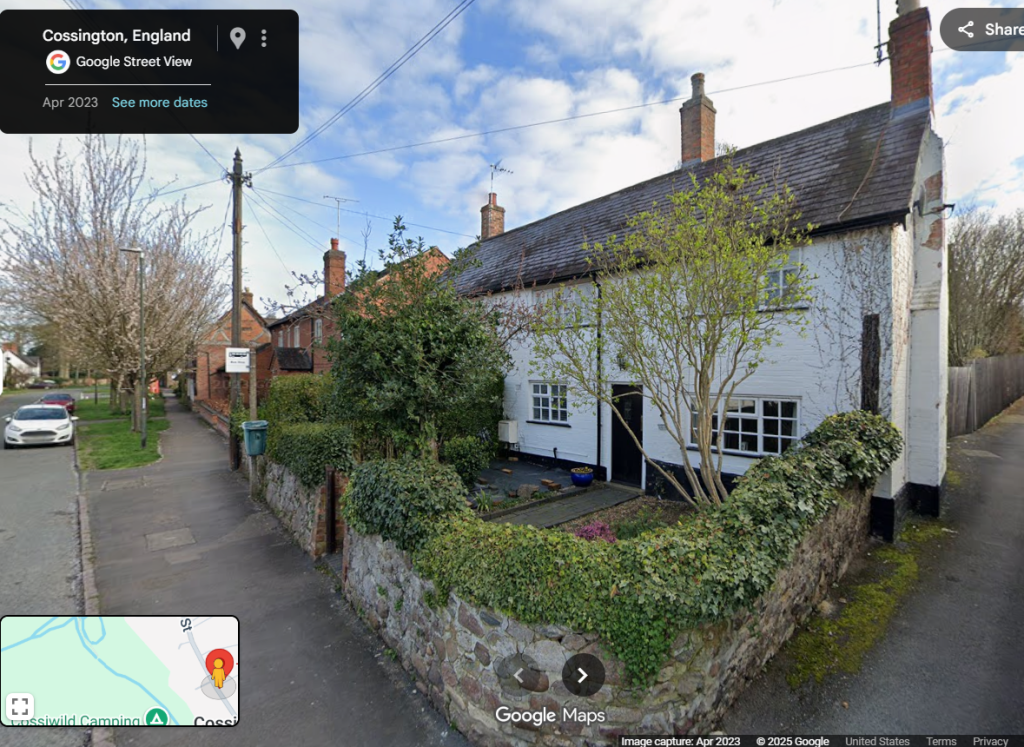
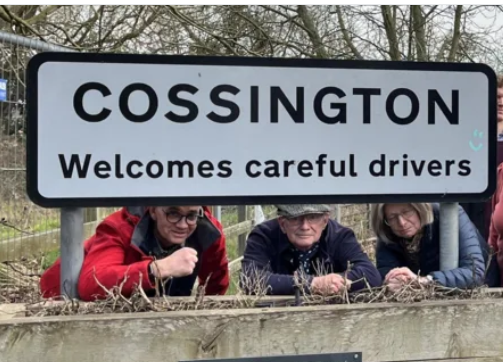
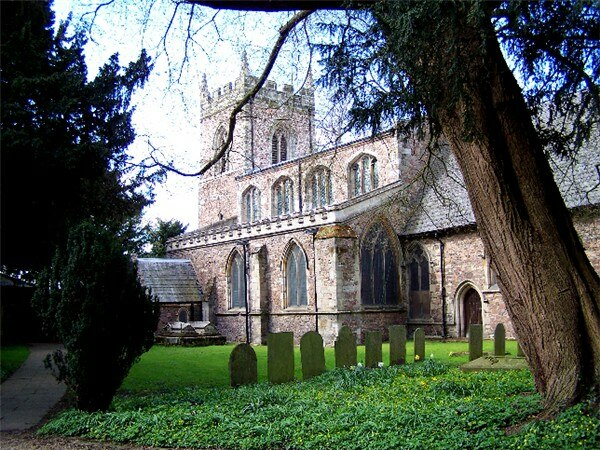
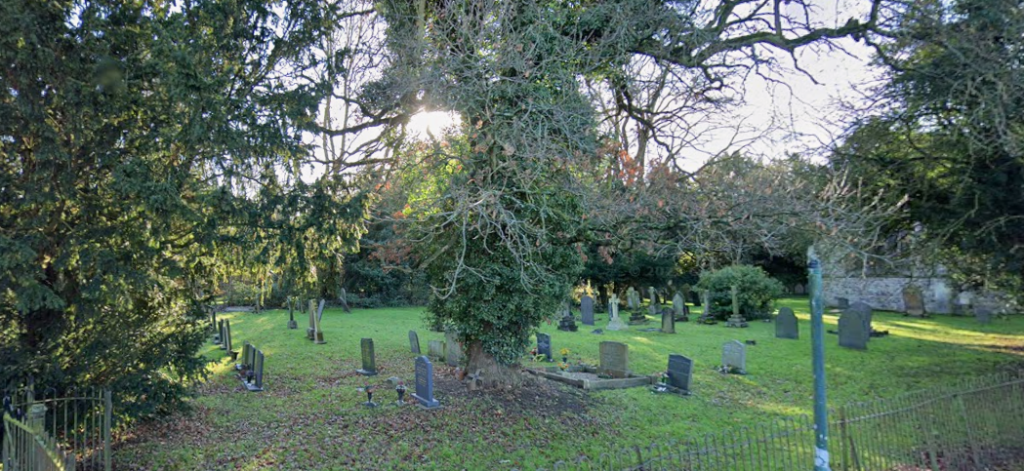
The common ancestor I share with Noah Webster, of the dictionary fame, is John Webster, born in Cossington in 1590, the great great grandson of the John Webster born in 1460. This John Webster was the son of Matthew Webster, who was born 17 April 1564 and died 13 September 1592 in Cossington. He died at the age of only 28 when his son was only 2. The family name Webster implies they were weavers, but Matthew married Lady Elizabeth Aston, daughter of a gentleman, so if he was a tradesman, he was likely a prosperous one. In his will he left to his brother John Webster 3 lamb hogs, to his brother-in-law James Aston 3 lamb hogs and to his sister Margaret Webster one ewe and one lamb. The residue of his estate he divided into four parts: one part he bequeathed to his son John Webster at the age of twenty-one years; the other three parts he left between his daughters Fayth and Anis at their marriage or at the age of twenty-one years. He appointed his wife Elizabeth sole executrix and guardian of his children.
John married Agnes Smith in 1609 and they had five children in England before sailing for America about 1632, after the death of his mother when he was 42. They first settled in Watertown, Massachusetts and moved to Hartford, Connecticut in 1636, as one of the original landowners in Hartford. He held significant public offices including: Assistant to the General Court of the Colony of Connecticut from 1639 to 1655; Commissioner to the United Colonies of New England, 1654; Deputy Governor, Colony of Connecticut, 1655; Governor, Colony of Connecticut, 1656; Chief Magistrate, Colony of Connecticut, 1657; and Magistrate, Hadley, Massachusetts, 1660. He was one of the leading members of the First Congregational Church of Hartford. A religious dispute arose and John Webster was among the dissenting group. This ultimately led to a group leaving Hartford in 1659 for Massachusetts with John Webster as one of the leaders. He first settled in Northampton and later moved to Hadley, where he became a magistrate. He died of a fever on April 5, 1661.
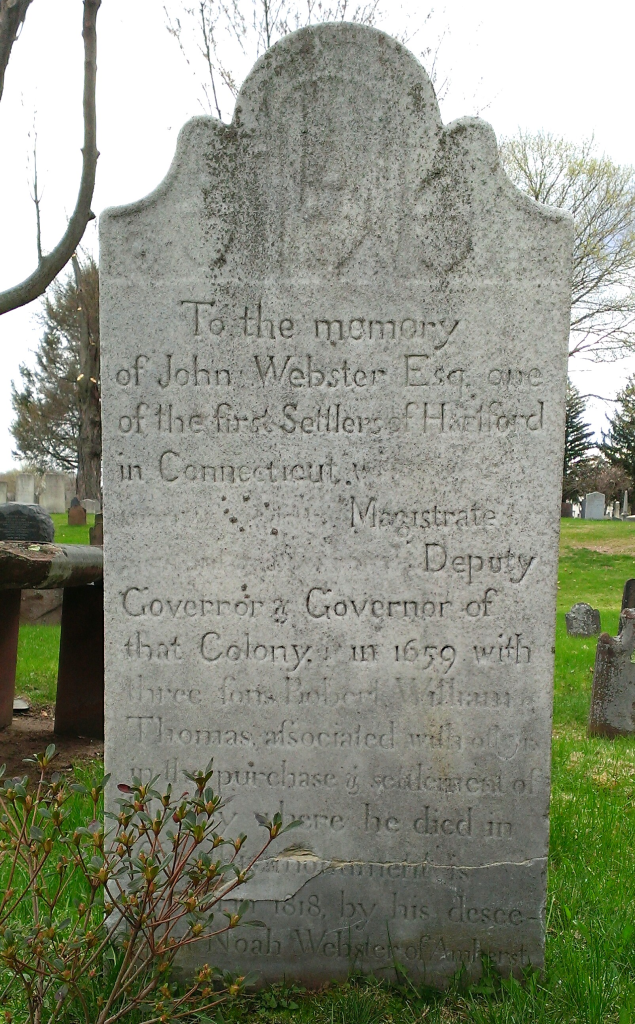
His son, Thomas Webster, born in 1616, is my 9x great grandfather. His son, Robert Webster, born in 1619, was the 3x great grandfather of Noah Webster Jr.
Lt. Robert Webster settled in Middletown, CT. Deputy to the General Court 1653-1659 and was appointed Lieutenant of the Middletown Train Band, May 1654. In Nov 1656, he was chosen Recorder for the town and held this office for about five years. His will said Susannah Webster is permitted as Executrix of “Lieftenant” Robert Webster will to sell lands, provided she took advise of her eldest sons. He was a Lieutenant in King Philip’s War in 1675 and died 2 years later in 1676. His son, John, great grandfather to Noah Webster, was born in Middletown Connecticut- the same town the Starr family moved to about the same time. It’s ironic that Ernie Starr, who descended from Comfort Starr from Middletown marries Ina Holden, daughter of Grace Webster more than 350 years later.
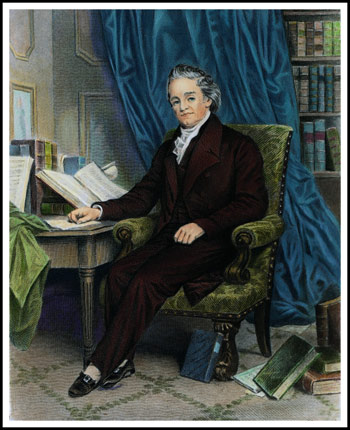
This brief bio of Noah Webster comes from the Noah Webster House, part of the West Hartford Historical Society:
"Noah Webster was born on October 16, 1758 in the West Division of Hartford, Connecticut (now West Hartford). Webster grew up in an average early American family – his father farmed and worked as a weaver, while his mother worked at home. At the time, few people went to college, but Webster enjoyed learning so much that his parents sent him to Yale, Connecticut’s first college. He left for New Haven in 1774 when he was 16 and graduated in 1778. Webster wanted to continue his education by studying law, but his parents could not afford to give him more money for school. After thinking about his options, Webster began working as a teacher.

During his years as a student and then as a schoolteacher, Webster realized the American education system needed to be updated. Children of all ages were crammed into one-room schoolhouses with no desks, poor books, and untrained teachers. Although this was after the American Revolution, their books came from England, often pledging their allegiance to King George. Webster believed that Americans should learn from American books, so in 1783, he wrote his own textbook: A Grammatical Institute of the English Language. It earned its nickname, the “Blue-Backed Speller”, because of its characteristic blue cover. For over 100 years, Webster’s book taught children to read, spell and pronounce words. It was the most popular American book of its time, selling nearly 100 million copies.


Father
In 1789, Noah married Rebecca Greenleaf, the daughter of a rich man from Boston. During their long marriage, they had eight children and numerous grandchildren. The family lived in New Haven, and then moved to Amherst, Massachusetts. There, Webster helped to found Amherst College. The family later moved back to New Haven.

In 1801, Webster started working on defining the words that Americans use. He did this because Americans spoke and used words differently than the English, and to help people who lived in different parts of the country to speak and spell the same way.

In his dictionary, Webster used American spellings like “color” instead of the English “colour” and “music” instead of “musick”. He also added American words that weren’t in English dictionaries like “skunk” and “squash.” His first edition, A Compendious Dictionary of the English Language was published in 1806. This book offered brief definitions of about 37,000 words. It took him 22 more years to finish his American Dictionary of the English Language. When he finished in 1828, at the age of 70, Noah’s dictionary defined over 65,000 words.

Noah Webster accomplished many things in his life. Not only did he fight for an American language, he also fought for copyright laws, a strong federal government, universal education, and the abolition of slavery. In between fighting for these causes, he wrote textbooks, edited magazines, corresponded with men like George Washington and Benjamin Franklin, helped found Amherst College, created his own version of an “American” Bible, raised eight children, and celebrated 54 anniversaries with his beloved wife. When Noah Webster died in 1843, he was an American hero."
Back to our line of Websters, Thomas Smith Webster, 2nd son of Governor John Webster, was born in Cossington and was 16 when his family arrived in America. He married Abigail Alexander, daughter of George Alexander in 1663. They settled in Northampton but in 1675 the settlement was broken up by indigenous Americans. Their children were then all born in Hadley Massachusetts which the Webster family is credited with founding, and the family ended up settled in Northfield. Hadley Massachusetts is now knows as the “Asparagus Capital of the World”, famous for its rich farmland and asparagus knicknamed “Hadley Grass”. It’s home to the 4th oldest public high school in America, Hopkins Academy founded in 1664 and a large portion of UMass Amherst is located in Hadley.
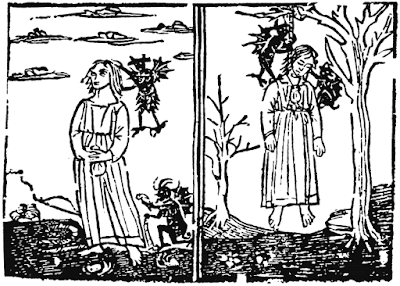
The oldest of the sons of Gov. John Webster was William Webster, also credited with founding Hadley. William’s wife Mary Webster is known as the “Witch of Hadley” or “Half-Hanged Mary”. She survived a vigilante hanging in 1683, 9 years before the Salem Witch Trials. She was accused of bewitching cattle and a local Deacon, Philip Smith. They left her body hanging outdoors overnight and buried her in the snow the next day, but she survived and was later taken to Boston for a trail where she was acquitted and returned to the town. Her story is said to have inspired Margaret Atwood’s The Handmaid’s Tale. Margaret Atwood is said to have descended from Mary Webster, though there’s no evidence she and William ever had children.
The legend of Mary Webster notes that her husband and his brother, while born to a former governor, by 1680s were destitute with Mary begging in the street and living in housing for the poor. So it’s not surprising that Thomas’s son John Webster left Massachusetts and returned to Connecticut, Lebanon, CT in New London County around 1700. This is where his son, my 7x great grandfather Josiah Webster was born in 1705 and died in 1751. Lebanon CT was a bustling city, with a population of 3,274 in 1756 – 6th largest town in the colony and larger than Hartford at the time.
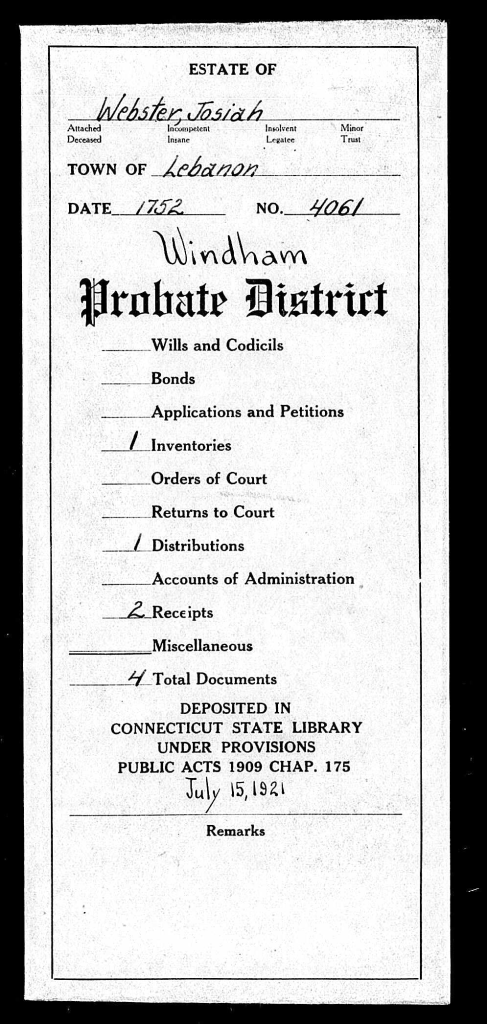
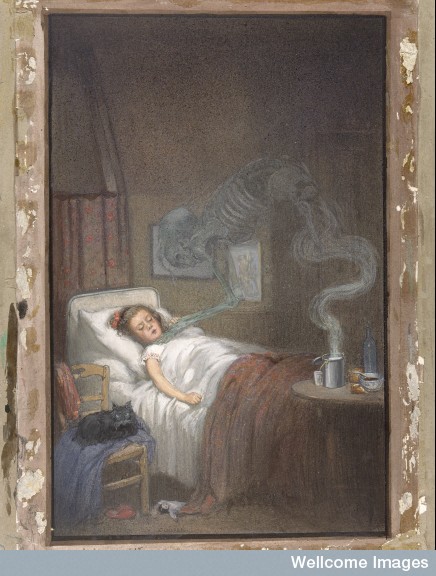
Josiah and Hannah Hutchinson had 6 sons, their eldest was Josiah Jr and he died at only 12 years old in 1739. In fact their first three sons all died in 1739. The area was affected by the “throat distemper” epidemic that year (Diptheria) It primarily targeted children under 10, killing over 5,000 people across the region between 1735 and 1740. It was nicknamed the “Strangling Angel”. Their fourth son, Paul had died in infancy in 1734. They then named their next born son Josiah Jr. This was my 6x great grandfather born in 1741.
Credit: Wellcome Library, London. Wellcome Images
[email protected]
http://images.wellcome.ac.uk
A ghostly skeleton trying to strangle a sick child; symbolising the disease diphtheria. Watercolour by R. Cooper.
By: Richard Tennant CooperPublished: –
Copyrighted work available under Creative Commons by-nc 2.0 UK, see http://images.wellcome.ac.uk/indexplus/page/Prices.html
This Josiah Webster was a cooper, carpenter and joiner who married Sarah Loomis about 1766 in Lebanon, CT where they lived until about 1792 when they moved to the “wilderness” of Warren, Herkimer County New York. This means they lived in Lebanon during the Revolutionary War. The Sons of Liberty were very active in Lebanon during that time. Over 50% of its adult male population (677 men) served in the militia, and the town hosted a six-month French cavalry encampment. Jonathan Trumbull was the only colonial governor to support the revolution and he used Lebanon as a base to coordinate supplies for Washington’s army. Josiah Webster was a member of the Independent Company in Lebanon of the 12th Regiment of Connecticut.
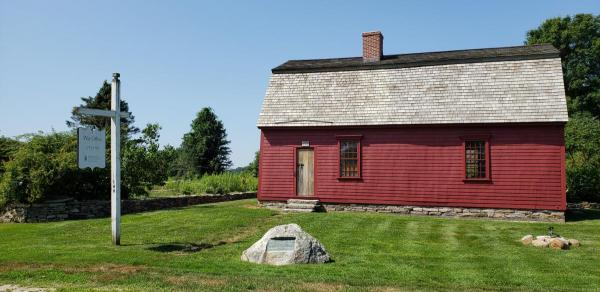
Josiah and Sarah’s son is also called Josiah and he’s my 6x great grandfather. He was born in 1774 in Lebanon and would have been 18 when they relocated to New York in 1792. He married Sarah Babcock in 1794. Sarah was also from Lebanon and that is where they were married. His mother also died that year. Josiah and Sarah had 4 daughters and 5 sons. They farmed in Herkimer County, New York until 1820 and then relocated to Steuben County.
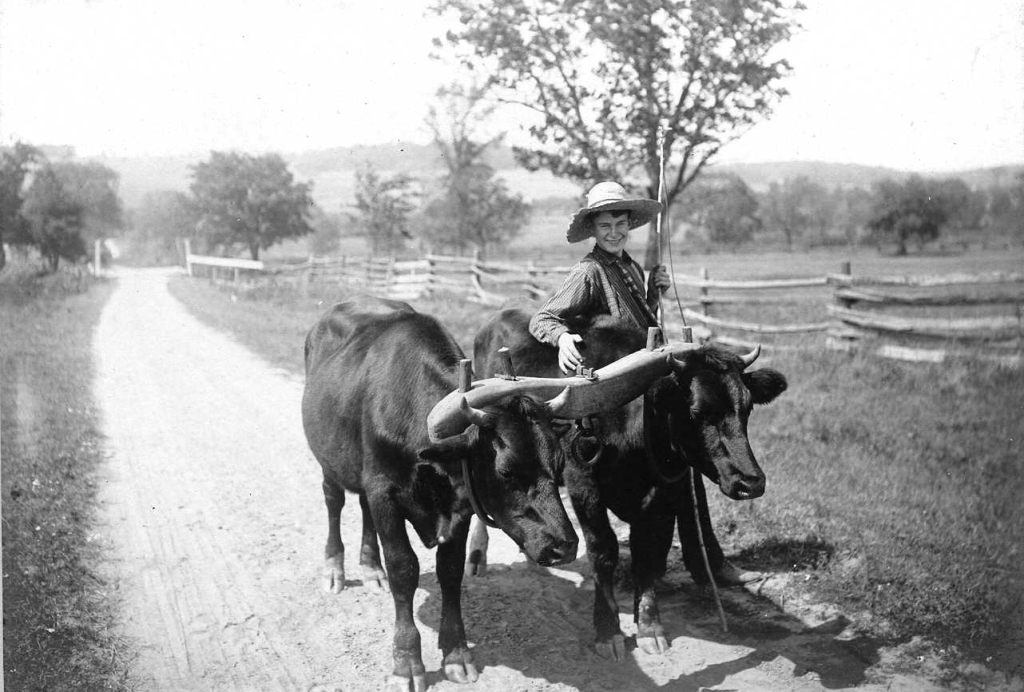
Josiah and Sarah’s first son was named Erastus Webster. He is my 4x great grandfather. He was a carpenter who married Mary Miller in 1822 in Urbana, NY.
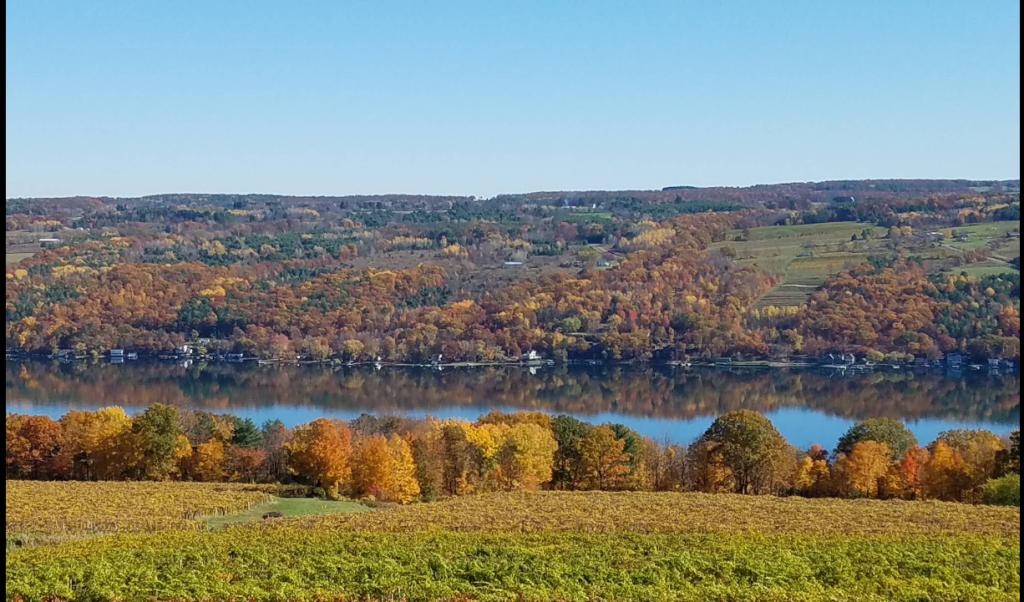
Their youngest son, Franklin Clark Webster is my 3x great grandfather.
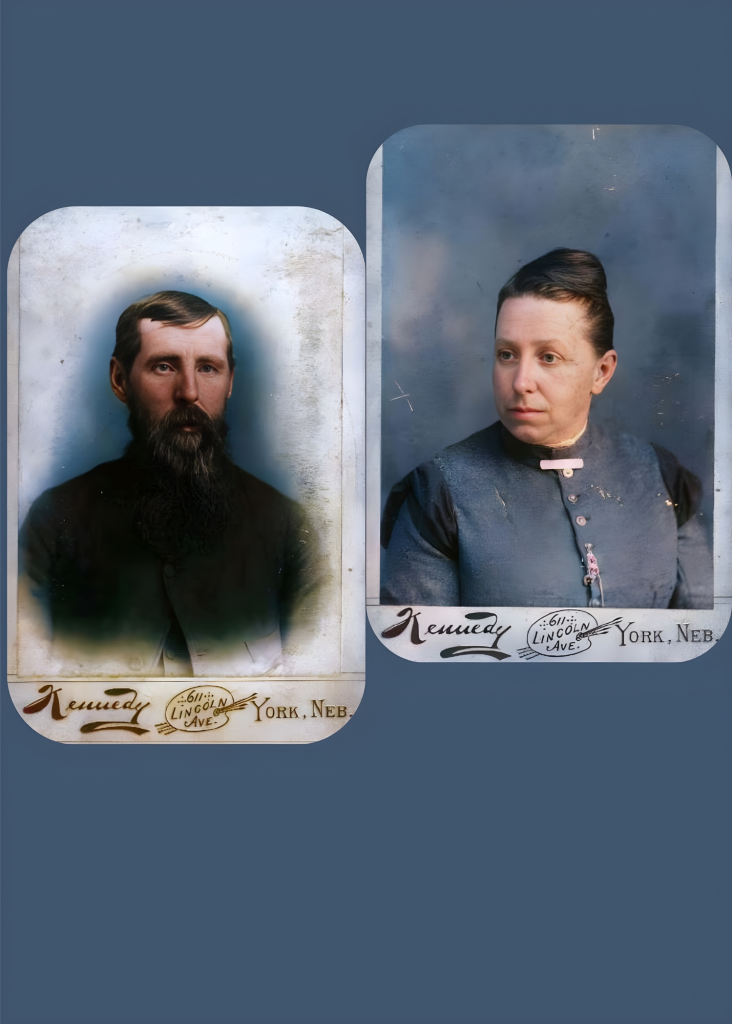
Born in 1844 Franklin served in the Civil War in 1864 as part of the Illinois 139th regiment, Company D. He served for 100 days. He married Susan Longwell in Bath, Steuben County, New York in 1870. He worked as a carpenter in Hammondsport in 1870 and his daughter Grace, my 2x great grandmother was born there in 1873. By 1890 though he had moved to Blanchard Iowa, and then by 1890 York Nebraska. It’s likely he was looking for a place to establish a farm as part of the Homestead Act. The farm failed and he died in Alexis, Illinois in 1899.
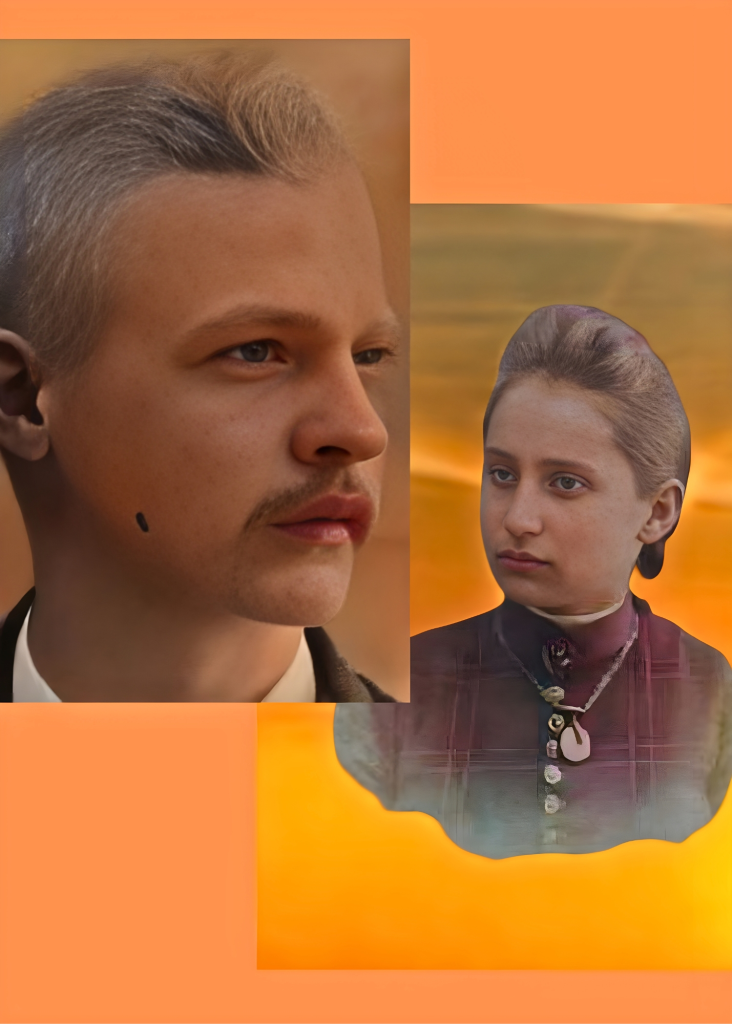
Grace married William Holden in York Nebraska when she was just 14 year old. They had three children by the time she turned 20, my great grandmother Ina was her youngest born in 1893. Her husband died just one year after her father and she brought her children to live with her mother near Monmouth, Illinois. Ina met and married Ernie Starr in Monmouth in 1914.